Are your solar pathway lights not shining as brightly as they used to? You rely on them to light up your walkways and create a warm, welcoming atmosphere at night.
When they glow dimly or flicker, it can be frustrating and even unsafe. But why does this happen? Understanding the common reasons behind dim solar lights can help you fix the problem quickly and enjoy bright, reliable lighting again. Keep reading to discover what might be causing your solar pathway lights to fade and how you can bring back their full glow.

Credit: hykoont.com
Common Causes Of Dim Solar Lights
Dim solar pathway lights can be frustrating. They do not shine as brightly as expected. Several common issues cause this problem. Understanding these causes helps fix the lights quickly. Here are the main reasons your solar lights may be dim.
Low Sunlight Exposure
Solar lights need enough sunlight to charge fully. Shade from trees, buildings, or clouds reduces sunlight. Shorter daylight hours in winter also limit charging. Without enough light, batteries do not store enough power. The lights glow weakly or only for a short time.
Dirty Solar Panels
Solar panels collect sunlight to power the lights. Dirt, dust, or leaves block sunlight from reaching the panel. A dirty panel lowers energy absorption. Clean panels improve charging and increase brightness. Regularly wipe panels with a soft cloth and water.
Weak Or Old Batteries
Batteries store the energy collected by solar panels. Over time, batteries lose their ability to hold charge. Old or weak batteries cause dim or flickering lights. Replace batteries every 1 to 2 years for best performance. Use the correct type recommended by the manufacturer.
Faulty Led Bulbs
LED bulbs provide the light for solar pathways. Bulbs can wear out or get damaged. Faulty LEDs produce less light or fail to turn on. Replacing the bulbs restores brightness. Check the bulbs if other parts are working fine.
Checking And Cleaning Solar Panels
Checking and cleaning solar panels is key to keeping your pathway lights bright. Dirt and dust can cover the panels, blocking sunlight. This stops the solar cells from charging properly. Clean panels catch more sunlight and store more power. Regular checks help spot problems early. Clean panels make your lights glow at full strength.
How Dirt Affects Brightness
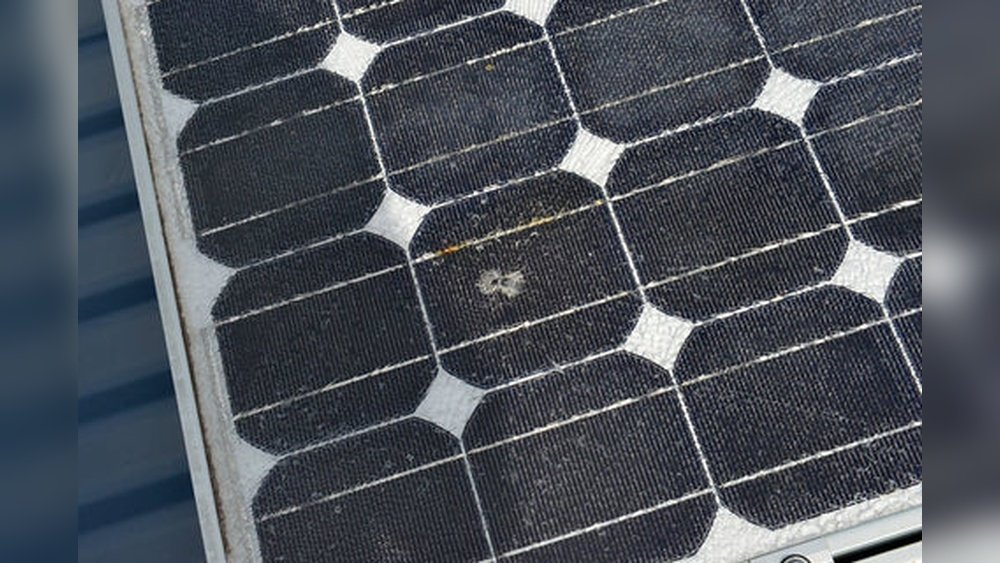
Dirt, dust, and leaves block sunlight from reaching the solar cells. Less sunlight means less energy stored. Dim lights often show dirty panels. Even a thin layer of dust cuts the light output. Water spots and bird droppings also reduce brightness. Clean panels absorb more sun, charging batteries better.
Best Cleaning Techniques
Use a soft cloth or sponge to clean the panels. Mild soap and water work best. Avoid harsh chemicals or abrasive tools. Gently wipe the surface to remove dirt and grime. Rinse with clean water to avoid residue. Dry with a soft towel or let air dry. Cleaning is quick and easy with simple tools.
Frequency Of Maintenance
Check panels every few weeks. Clean them at least once a month. More often if you live in dusty areas. After storms or heavy rain, check for dirt or debris. Regular maintenance keeps lights bright all year. Small effort brings long-lasting brightness.
Battery Issues And Solutions
Battery problems are a common reason solar pathway lights become dim. The battery stores energy collected from the sun during the day. If the battery is weak or old, the light will not shine brightly at night. Understanding battery issues can help keep your solar lights working well.
Identifying Battery Problems
Look for signs of battery failure like dim light or no light at all. Check if the light stays on for a shorter time than usual. Batteries that leak or swell need immediate replacement. Test the battery voltage with a multimeter if possible. Low voltage usually means the battery cannot hold a charge.
Replacing Rechargeable Batteries
Most solar pathway lights use rechargeable batteries. These batteries wear out over time and need replacement. Remove the old battery carefully and dispose of it properly. Insert a new rechargeable battery with the same size and voltage. Make sure the battery fits snugly and the contacts touch well.
Choosing The Right Battery Type
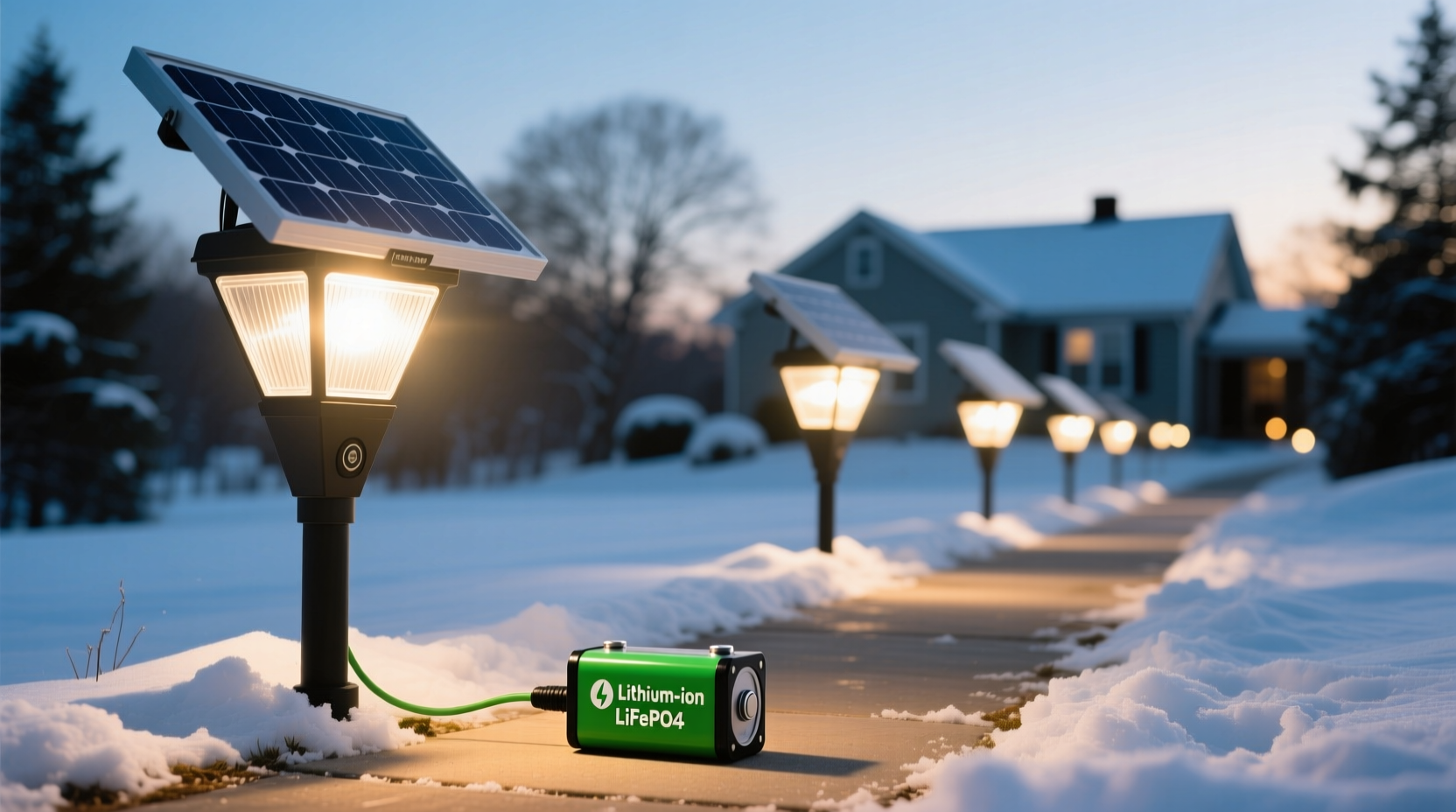
Pick batteries made for solar lights, such as NiMH or NiCd types. These batteries recharge efficiently under sunlight. Avoid alkaline batteries; they are not rechargeable and will fail quickly. Check the battery’s voltage and capacity to match the original one. Using the right battery ensures longer light duration and better brightness.

Credit: www.digitalreviews.net
Optimizing Placement For Maximum Brightness
Optimizing the placement of solar pathway lights can greatly improve their brightness. Proper positioning helps the solar panels get enough sunlight. This ensures the batteries charge fully during the day. Bright lights at night depend on good sunlight exposure.
Ideal Sunlight Exposure Spots
Choose spots that receive at least six hours of direct sunlight daily. Open areas without tall buildings or trees work best. South-facing locations usually get the most sunlight. Avoid places that only get morning or evening sun.
Avoiding Shadows And Obstructions
Shadows reduce the amount of light the solar panel receives. Keep lights away from plants, walls, or fences that cast shadows. Watch for moving objects like cars or animals that might block sunlight. Clear any debris on the panels regularly.
Adjusting Angle For Better Charging
Solar panels work best when angled toward the sun. Adjust the tilt of the lights based on your location. Steeper angles work better in winter, flatter in summer. Regularly check and reposition panels for optimal sunlight capture.
Upgrading Components For Better Performance
Upgrading your solar pathway lights can improve their brightness and lifespan. Small changes in parts can make a big difference. Using better components helps the lights capture more energy and shine brighter at night.
Simple upgrades also reduce the chance of dim lights. Choose parts that fit well and work efficiently. This keeps the pathway well-lit and your outdoor space safe and attractive.
Using High-quality Leds
High-quality LEDs use less power and shine brighter. They last longer than cheaper bulbs. This means you get better light without using more energy. Replace old LEDs with new ones made for outdoor use. This upgrade makes your path lights clearer and stronger at night.
Installing Larger Solar Panels
Larger solar panels gather more sunlight during the day. More sunlight means more power stored in the batteries. This helps the lights stay bright longer through the night. Swap small panels for bigger ones that fit your light fixtures. It improves energy capture and light output.
Adding Extra Batteries
Extra batteries store more energy for cloudy days and long nights. They give your lights a steady power supply. Add batteries with the same voltage and type as the original. This upgrade prevents dimming and keeps lights glowing consistently. It also extends the time your lights work.
Troubleshooting Electrical Issues
Solar pathway lights can dim due to electrical problems. These issues stop the lights from working correctly. Troubleshooting electrical problems helps find the root cause. Fixing these can bring back full brightness.
Start by checking the wiring. Next, inspect for water damage. Finally, test the system with a multimeter. These steps cover common electrical faults in solar lights.
Checking Wiring Connections
Loose or broken wires often cause dim lights. Check all wire connections carefully. Make sure wires are tight and not broken. Replace any damaged wires immediately. Secure connections improve the power flow to the lights.
Inspecting For Water Damage
Water can enter the light housing and harm wires. Look for moisture or rust inside the light. Water damage can cause short circuits or corrosion. Dry the area and clean any rust spots. Protect the lights with waterproof seals to prevent future damage.
Testing With A Multimeter
Use a multimeter to check electrical flow. Measure voltage at the solar panel and battery. Low voltage shows a problem with charging or connection. Test the continuity of wires to find breaks. Replace faulty parts for better light performance.
Preventive Tips To Maintain Brightness
Keeping your solar pathway lights bright takes simple care and attention. Small actions can keep them shining longer. Regular maintenance helps avoid dim lights and saves you money. Follow easy steps to maintain their brightness all year.
Regular Cleaning Schedule
Dust and dirt block sunlight from reaching solar panels. Clean the panels with a soft cloth and mild soap. Wipe gently to avoid scratching the surface. Clean at least once a month for best results. This keeps the batteries charged and lights bright.
Seasonal Adjustments
Sunlight changes with seasons, affecting light performance. Move lights to sunnier spots during winter months. Trim nearby plants that block sunlight. Adjust angles if possible to catch more sun. These small changes boost charging and brightness.
Protecting Lights From Weather
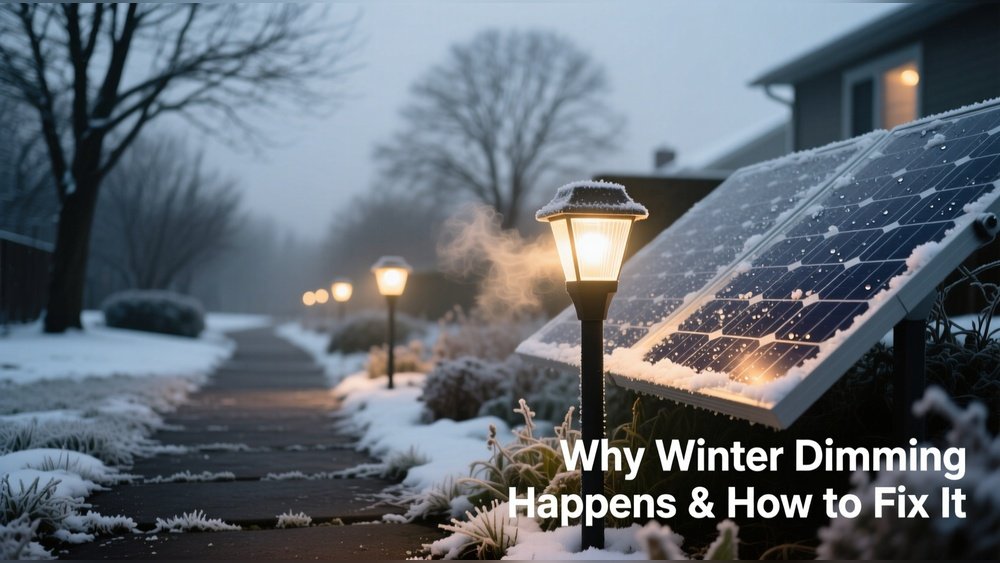
Rain, snow, and wind can damage solar lights. Use protective covers or place lights in sheltered areas. Remove snow from panels to avoid blocking sunlight. Store lights indoors during harsh storms. Protecting lights keeps them working well longer.
Credit: www.alibaba.com
Frequently Asked Questions
Why Are My Solar Pathway Lights Dim At Night?
Solar lights may be dim due to insufficient sunlight exposure. Dirt or debris on panels can block light absorption. Old or weak batteries reduce brightness. Also, cold weather can lower battery efficiency, causing dimmer lights.
How Does Battery Health Affect Solar Light Brightness?
Batteries store the solar energy collected during the day. If batteries are old or damaged, they hold less charge. This results in dimmer lights at night. Replacing the batteries can restore full brightness and improve performance.
Can Weather Conditions Cause Dim Solar Pathway Lights?
Yes, cloudy or rainy weather limits sunlight exposure. Less sunlight means less energy stored in batteries. This causes solar lights to glow dimly or turn off early. Consistent sunshine is essential for optimal brightness.
Does Solar Panel Cleanliness Impact Light Brightness?
Absolutely, dirt, dust, or leaves on solar panels block sunlight. Reduced sunlight means less energy collection. Regular cleaning ensures panels absorb maximum sunlight, keeping pathway lights bright and efficient throughout the night.
Conclusion
Dim solar pathway lights often signal simple issues. Check for dirt or shadows blocking sunlight. Replace old batteries to restore brightness. Ensure lights face direct sunlight during the day. Clean lenses to improve light output. Remember, regular care keeps lights shining bright.
Small fixes make a big difference in performance. Bright pathways create safe and welcoming outdoor spaces. Don’t ignore dim lights; they need attention to work well. Keep your solar lights bright with easy, quick steps.