Have you ever noticed your solar charger taking forever to power up when you’re in the shade? It’s frustrating, especially when you rely on it to keep your devices alive on the go.
You might wonder why the charging slows down and if there’s a way to fix it. You’ll discover the simple reasons behind slow solar charging in shade and learn easy tips to get the most out of your charger—no matter where you are.
Keep reading, and say goodbye to waiting hours for a full charge.
Why Shade Slows Solar Charging
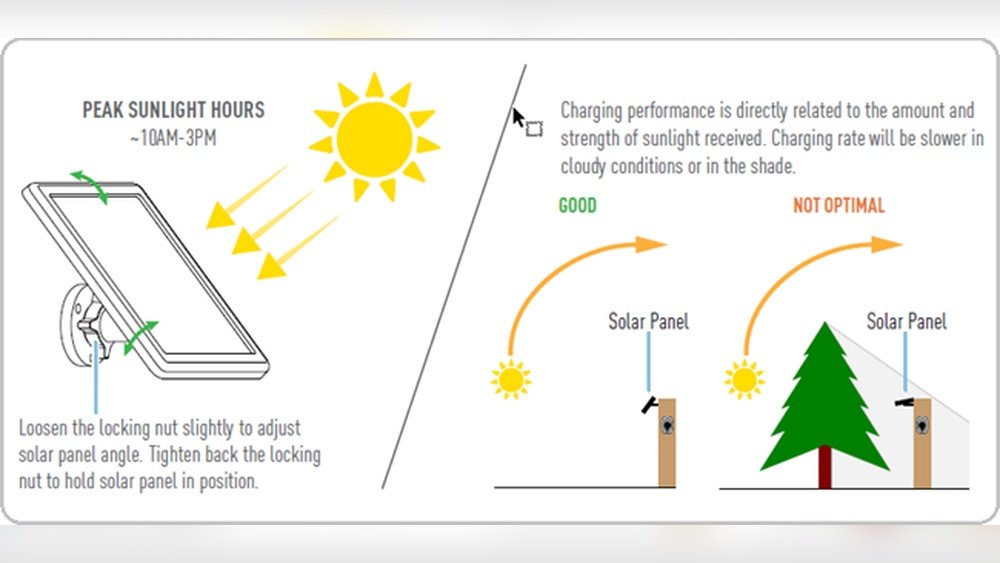
Solar chargers need sunlight to work well. Shade blocks sunlight and slows charging. Even small shadows can reduce the power your solar charger gets. This makes charging much slower than in full sun. Understanding why shade affects solar charging helps you use your charger better.
Impact Of Reduced Sunlight
Solar panels need bright sunlight to create electricity. Shade lowers the amount of sunlight reaching the panel. Less sunlight means less energy is made. The solar charger cannot store enough power quickly. Cloudy days or trees casting shadows cause this problem.
Effect On Solar Panel Efficiency
Solar panels work best with direct sunlight. Shade causes parts of the panel to get less light. This lowers the whole panel’s efficiency. Even one shaded cell can reduce the output greatly. The panel produces less electricity and charges slower.
Common Causes Of Slow Charging In Shade
Slow charging of a solar charger in shade happens often. Several common reasons cause this issue. Understanding these helps improve solar charging speed and efficiency. Below are the main causes of slow charging in shade.
Panel Positioning Issues
Solar panels must face the sun directly. Poor angle reduces sunlight capture. Shade worsens this problem by blocking light. Panels placed too flat or tilted lose power. Moving panels to a sunny spot boosts charging speed.
Obstructions And Dirt
Leaves, dust, and dirt block sunlight from panels. Shadows from trees or buildings also reduce light. These obstructions lower the energy the panel collects. Cleaning panels regularly and removing nearby obstacles helps maintain good charging.
Battery Health Concerns
Old or damaged batteries charge slowly. A battery that holds less charge takes longer to fill. Battery issues can mimic slow charging from shade. Testing and replacing weak batteries improve overall charging time.
Optimizing Solar Panel Placement
Solar chargers need good sunlight to work well. Shade makes charging slow and less efficient. The best way to avoid this is by placing solar panels correctly. Optimizing their placement helps catch more sunlight. This boosts charging speed and saves time.
Choosing Sunny Spots
Pick places with direct sunlight most of the day. Avoid spots near trees, buildings, or other objects that cause shadows. Check the area at different times to find bright spots. Clear roofs, open fields, or sunny balconies work well. Sunlight is the key to faster charging.
Adjusting Angle And Tilt
Solar panels work best when they face the sun directly. Adjust the tilt angle to match your location’s latitude. Tilt changes with seasons for better sunlight capture. In summer, keep panels flatter; in winter, tilt them more. Small angle changes can improve charging speed a lot.
Credit: www.greencarreports.com
Cleaning And Maintenance Tips
Cleaning and maintenance are key to keep your solar charger working well. Dirt and dust can block sunlight. This makes charging slow, especially in shade. Proper care helps your charger absorb more light. It also increases the device’s life. Follow simple steps to keep it clean and checked regularly.
Removing Debris
Remove leaves, dust, and dirt from the solar panel surface. Use a soft cloth or brush. Avoid hard or sharp tools that may scratch the panel. Clean the panel gently with water if needed. Do not use strong chemicals or soap. Clean panels let more sunlight reach the cells. This improves charging speed even in low light.
Regular Inspection Routines
Check your solar charger every week or two. Look for cracks, loose wires, or worn parts. Tighten loose connections to avoid power loss. Inspect the charging port for dirt or damage. Replace damaged parts immediately to keep the charger safe. Regular checks prevent bigger problems and maintain good charging performance.
Using Solar Trackers And Reflectors
Solar chargers often slow down in shaded areas due to limited sunlight. Using solar trackers and reflectors helps improve sunlight exposure. These tools boost the charging speed even in less sunny spots. They work by adjusting the angle and increasing light on the panels.
How Trackers Improve Exposure
Solar trackers follow the sun’s path throughout the day. They tilt the panels to face the sun directly. This increases the sunlight hitting the panels. More sunlight means faster charging of your devices. Trackers reduce the effect of shade by finding the brightest angle.
Trackers work best in open spaces with some shade nearby. They help keep the panels active longer during daylight. This makes a big difference in slow charging situations.
Benefits Of Reflective Surfaces
Reflectors bounce sunlight onto solar panels. They use shiny surfaces like mirrors or foil to reflect light. This adds extra sunlight to shaded panels. Reflectors can boost solar charging speed by increasing light intensity.
They are easy to set up and cost-effective. Reflectors work well in places with partial shade. Using them can improve charging without moving the panels.
Credit: evoenergy.co.uk
Upgrading To More Efficient Panels
Solar chargers often slow down in the shade. Upgrading to better panels can help. Efficient panels capture more sunlight. They charge devices faster, even with less light. Choosing the right panel improves your solar charging experience.
High-efficiency Panel Options
High-efficiency panels use advanced materials. They turn more sunlight into electricity. These panels work well on sunny days. They also perform better in dim light. Choosing high-efficiency panels means quicker charging. It helps reduce frustration from slow power.
Panels Designed For Low Light
Some panels are made for shade or cloudy days. They capture weak sunlight and still produce power. These low-light panels keep your devices charged longer. They are ideal for areas with many shadows. Using these panels means less waiting for full charge.
Battery And Charger Settings
Battery and charger settings play a key role in solar charger performance. Proper settings help the battery charge faster, even in shade. They also protect the battery from damage. Adjusting these settings can improve slow charging problems. Understanding these settings is important for better solar charging.
Checking Battery Condition
Start by checking the battery’s health. Old or damaged batteries charge slowly. Look for leaks, cracks, or swelling. Use a multimeter to check voltage levels. Healthy batteries show stable voltage. Weak batteries may need replacement. Clean battery terminals to ensure good contact. Dirt or corrosion can slow charging. Regular checks keep the battery in good shape.
Adjusting Charger Parameters
Charger settings control how the battery receives power. Adjust voltage and current limits to match the battery. Lower settings may slow charging in shade. Increase voltage within safe limits for better charging. Some chargers allow setting charging modes. Choose the correct mode for your battery type. Avoid overcharging to extend battery life. Fine-tuning these settings can reduce slow charging issues.

Credit: www.getamber.com
Portable Power Banks And Backup Options
Portable power banks and backup options help keep devices charged during low sunlight. They are handy when solar chargers slow down in the shade.
These tools offer extra energy storage. They ensure your devices stay powered without direct sunlight.
Using Solar Power Banks
Solar power banks store energy from the sun for later use. They charge your phone or gadgets even in low light.
Choose models with large capacity for longer use. Some have built-in solar panels to recharge themselves slowly outdoors.
Keep power banks in the sun during the day. Use their stored power at night or in the shade.
Alternative Charging Solutions
Backup options include wall chargers and car adapters. They provide quick charging when solar power is insufficient.
Portable hand-crank chargers generate power manually. Ideal for emergencies or places with no sunlight.
Battery packs with USB ports offer easy connection. They support various devices and are simple to carry.
Frequently Asked Questions
Why Is My Solar Charger Slow Charging In Shade?
Solar chargers rely on sunlight to generate power. In shade, sunlight is weak or blocked. This reduces the charger’s efficiency, causing slow charging. To improve speed, use the charger in direct sunlight or a brighter area.
Can Solar Chargers Work Effectively In Partial Shade?
Partial shade decreases solar panel output significantly. While some charging occurs, it is much slower than in full sun. For optimal performance, avoid shaded areas and position the charger where it receives maximum sunlight.
How Does Shade Impact Solar Charger Performance?
Shade blocks or diffuses sunlight, cutting down the solar panel’s energy absorption. This directly lowers charging speed and efficiency. Even small shadows can reduce output drastically, so keep panels clear of shade for best results.
What Are Ways To Speed Up Slow Solar Charging?
To speed up charging, move the solar charger to full sunlight. Clean the panel surface to remove dust and dirt. Use a charger with higher wattage or larger panels for faster energy capture.
Conclusion
Solar chargers work best in direct sunlight. Shade blocks sunlight and slows charging speed. Small shadows can reduce power a lot. Place your charger in bright, open areas. Clean solar panels often for better results. Use a charger with higher wattage if shade is common.
Remember, slow charging in shade is normal. Adjust your setup to get the most energy. This helps keep your devices charged and ready. Keep these tips in mind for effective solar charging.