Are you struggling with a hot, stuffy attic that drives up your energy bills? Choosing the right attic fan can make a big difference in keeping your home cool and comfortable.
But should you go for a solar attic fan or an electric attic fan? Understanding the pros and cons of each can help you save money, improve air quality, and protect your roof. Keep reading to discover which option fits your needs best and how it can transform your home’s comfort.
How Solar Attic Fans Work
Understanding how solar attic fans work helps you see their benefits clearly. These fans use sunlight to run without extra electricity. They keep your attic cool and reduce heat buildup. This process protects your roof and lowers your energy bills.
Solar Panel Functionality
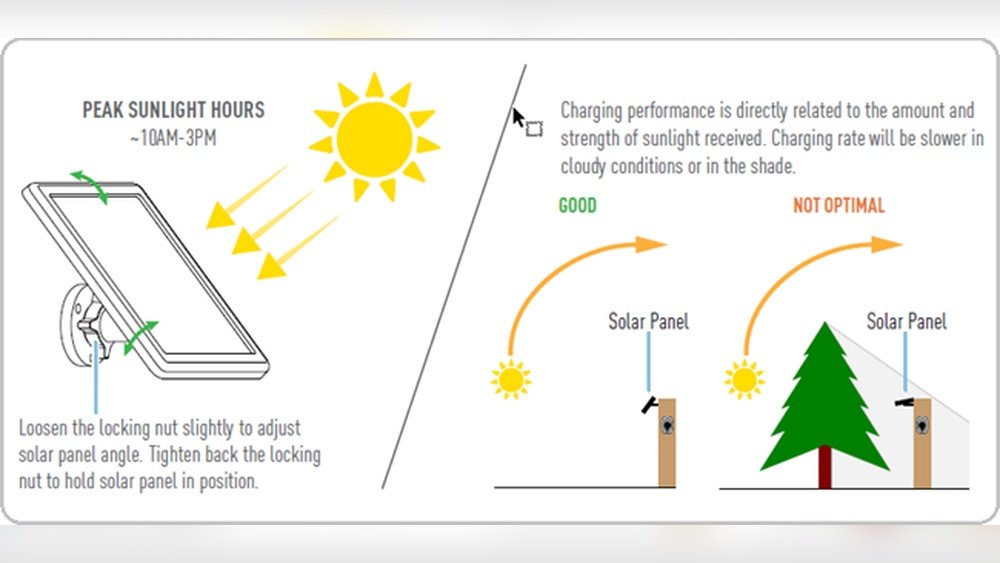
The solar panel captures sunlight and turns it into electricity. It powers the fan directly without wires or batteries. The panel sits on the roof where it gets the most sun. This setup makes the fan work only during daylight hours. No extra power source is needed.
Ventilation Process
The fan pulls hot air out of the attic space. This air escapes through vents on the roof or walls. Cooler outside air enters to replace the hot air. This movement lowers attic temperature quickly and naturally. It stops heat from building under your roof.
Energy Efficiency
Solar attic fans use clean, renewable energy from the sun. They do not add to your electric bill. The fan runs only when sunlight is strong enough. This smart use of energy saves money and helps the environment. It keeps your home cooler without waste.
How Electric Attic Fans Work
Electric attic fans help keep your attic cool by moving hot air out. They use electricity to power a motor that spins a fan blade. This process reduces heat buildup and helps your home stay cooler. Understanding how these fans work can help you decide if they suit your needs.
Power Source And Operation
Electric attic fans run on standard home electricity. They connect to your home’s power supply through wiring. A thermostat often controls the fan. It turns the fan on when the attic gets too hot. The fan runs until the temperature drops to a set level.
Cooling Mechanism
The fan pulls hot air out of the attic space. This creates airflow that brings in cooler outside air. The continuous air exchange lowers attic temperature. It reduces heat buildup that can affect your living space. Proper ventilation also helps prevent moisture and mold.
Energy Consumption
Electric attic fans use a moderate amount of electricity. The motor typically consumes between 50 to 200 watts. The energy cost depends on how often the fan runs. Fans with thermostats run only when needed. This helps control energy use and keeps costs reasonable.
Installation Differences
Choosing between a solar attic fan and an electric attic fan involves understanding their installation differences. These differences affect how easy it is to set up, where the fan can be placed, and how much maintenance is needed. Proper installation helps the fan work well and last longer.
Setup Complexity
Solar attic fans have a simpler setup. They do not need wiring to your home’s electrical system. You only need to mount the fan and position the solar panel to catch sunlight. Electric attic fans need wiring and sometimes a professional electrician. This makes their setup more complex and time-consuming.
Placement Considerations
Solar fans need a sunny spot for the solar panel. This often means placing the panel on the roof where it gets direct sun. The fan itself goes in the attic roof or gable. Electric fans can be placed almost anywhere in the attic. They do not depend on sunlight but must be near a power source.
Maintenance Needs
Solar attic fans require less maintenance. The solar panel is low upkeep and rarely needs cleaning. Electric fans have motors and wiring that need regular checks. Dust and debris can build up, so cleaning and occasional repairs are important. Maintenance varies by fan type.
Cost Comparison
Comparing the costs of solar attic fans and electric attic fans helps homeowners choose wisely. Both options cool your attic but differ in expenses over time. Understanding these differences can save money and energy.
Initial Investment
Solar attic fans usually cost more upfront. They need solar panels and special parts. Electric attic fans have a lower initial price. They are simpler and use regular electricity. Installation costs vary but are often cheaper for electric fans.
Operational Costs
Solar attic fans use sunlight for power. They do not add to your electric bill. Electric attic fans run on electricity. They increase your monthly energy costs. The amount depends on how long the fan runs each day.
Long-term Savings
Solar attic fans save money over time. No electricity costs make them cheaper in the long run. Electric attic fans cost more over many years. They can add up with rising energy prices. Solar fans also reduce your carbon footprint.
Environmental Impact
Choosing between a solar attic fan and an electric attic fan affects the environment. This choice impacts energy use, pollution, and resource consumption. Understanding these effects helps you make a better decision for your home and planet.
Carbon Footprint
Solar attic fans use sunlight, producing no direct carbon emissions. They reduce electricity demand, lowering overall carbon output. Electric attic fans rely on power from the grid. This power often comes from fossil fuels, increasing carbon emissions. Over time, solar fans help reduce your home’s carbon footprint more than electric fans.
Sustainability Factors
Solar attic fans use renewable energy from the sun. They do not depend on nonrenewable resources. Electric fans need constant electricity, which may come from nonrenewable sources. Solar fans also require less maintenance and have fewer parts that wear out. This means fewer replacements and less waste. Choosing solar fans supports a sustainable lifestyle.
Performance In Various Climates
Attic fans help keep your home cool and prevent moisture buildup. Their performance changes depending on the climate. Solar attic fans and electric attic fans work differently in various weather conditions. Understanding how they perform in hot or cooler areas will help you choose the best option for your home.
Hot And Sunny Areas
Solar attic fans work best in hot, sunny places. They use sunlight to run, so they are most active during the day. This helps reduce attic heat and lowers cooling costs. Electric attic fans also cool well but use electricity all the time. They provide steady airflow, even at night. Solar fans save energy but rely on sunshine. Electric fans give constant performance but increase your electric bill.
Cloudy And Cooler Regions
In cloudy or cool climates, electric attic fans perform better. Solar fans may not get enough sunlight to run properly. This limits their cooling ability on dull days. Electric fans work anytime, regardless of weather. They keep air moving and help control moisture. Solar fans save energy but may not meet all cooling needs here. Electric fans offer reliable ventilation, even without sun.
Pros And Cons
Choosing between a solar attic fan and an electric attic fan means weighing their pros and cons. Each type offers unique benefits and some drawbacks. Understanding these points helps make a better decision for your home and budget.
Advantages Of Solar Fans
Solar attic fans use energy from the sun. This means no extra electricity cost. They help reduce your cooling bills. Solar fans work well during sunny days. They are easy to install without wiring. These fans are eco-friendly and quiet. Maintenance is low since they have fewer parts.
Advantages Of Electric Fans
Electric attic fans run on your home’s power. They work any time of the day or night. This provides constant ventilation and cooling. Electric fans are often stronger and move more air. They can be controlled with thermostats or timers. These fans usually cost less upfront than solar fans.
Potential Drawbacks
Solar fans depend on sunlight, so they stop at night or on cloudy days. They may not work well in shaded areas. Solar units can be more expensive initially. Electric fans add to your energy bill. They might be noisier than solar fans. Wiring and installation can be more complex. Both types need regular checks to stay efficient.
Choosing The Right Fan
Choosing the right attic fan is important for your home’s comfort and energy use. Both solar attic fans and electric attic fans have unique benefits. The best choice depends on your home’s size, your budget, and your energy goals. Understanding these factors helps you pick the right fan.
Home Size And Layout
The size of your home affects the type of fan you need. Larger homes may need more powerful fans to cool the attic properly. Solar fans work well for small to medium homes with good sun exposure. Electric fans provide steady airflow, which suits bigger homes or shaded areas.
Consider your attic’s shape and ventilation needs. Complex layouts might require multiple fans or specific placements. Measure your attic space before choosing a fan. This ensures efficient cooling and avoids overworking the fan.
Budget Considerations
Cost plays a key role in your decision. Solar attic fans often have a higher upfront price. But they save money over time by reducing electricity bills. Electric fans usually cost less initially but use more energy over time.
Think about maintenance costs too. Solar fans need little upkeep since they run on sunlight. Electric fans may require more repairs and use more power. Balance initial costs with long-term savings to find the best option.
Energy Goals
Your energy goals shape the fan choice. Solar attic fans use clean, renewable energy. They help lower your home’s carbon footprint. This option suits homeowners who want to save energy and protect the environment.
Electric attic fans depend on your home’s power supply. They may increase your electricity use but provide reliable performance. Choose electric fans if consistent airflow matters most. Solar fans work well for reducing energy use and costs.
Popular Brands And Models
Choosing the right attic fan means knowing the best brands and models. Popular brands offer reliable options that fit different needs and budgets. This section highlights top solar and electric attic fans. It helps you compare features and make a smart choice.
Top Solar Attic Fans
Solar attic fans use sunlight to power the fan. This saves electricity and reduces bills. One popular brand is Natural Light. Their solar attic fans come with durable solar panels and quiet motors. Another good option is Broan. They offer models with strong airflow and easy installation.
QuietCool is also well-known. Their solar fans work well in hot climates and last long. Remington Solar offers affordable fans with high-quality materials. These brands focus on energy efficiency and long-term savings.
Top Electric Attic Fans
Electric attic fans run on household power. They provide strong ventilation and work even without sunlight. Broan is a top brand here too. Their electric fans are powerful and quiet. They include thermostats for automatic control.
Another trusted brand is Air Vent. Their models have strong motors and good build quality. Lasko makes popular electric attic fans that are easy to install and maintain. These brands offer reliable performance and good warranties.
Frequently Asked Questions
What Are The Main Differences Between Solar And Electric Attic Fans?
Solar attic fans use sunlight for power, reducing electricity costs. Electric fans rely on home electricity, which may increase energy bills. Solar fans are eco-friendly and easy to install, while electric fans often provide consistent performance regardless of sunlight.
Which Attic Fan Is More Energy-efficient?
Solar attic fans are more energy-efficient since they use renewable solar energy. Electric fans consume grid electricity, which can increase energy use. Solar fans reduce your carbon footprint and can lower utility bills over time.
How Do Solar Attic Fans Work Without Sunlight?
Solar attic fans typically stop working without sunlight as they rely on solar panels. Some models include battery backups for short-term operation. Electric attic fans run continuously since they use home electricity, unaffected by sunlight availability.
Are Electric Attic Fans Louder Than Solar Fans?
Electric attic fans often produce more noise due to motor power and speed. Solar fans usually operate quietly with smaller, less powerful motors. Noise levels vary by model, but solar fans are generally quieter for attic ventilation.
Conclusion
Choosing between a solar attic fan and an electric attic fan depends on your needs. Solar fans save energy and lower bills using sunlight. Electric fans work anytime but use power from your home. Both help keep your attic cool and protect your roof.
Think about your budget, climate, and energy goals. Each fan type has clear benefits. This choice can improve your home’s comfort and efficiency. Consider what fits best for your house and lifestyle.