Are you tired of unexpected power outages or high electricity bills? You might have heard about solar generators as a clean, reliable alternative.
But is a solar generator really worth it for you? Before making a decision, it’s important to understand how it works, what benefits it offers, and if it fits your lifestyle. Keep reading to discover how a solar generator could change the way you power your home or adventures—and whether it’s the right choice for your needs.
Benefits Of Solar Generators
Solar generators offer many benefits that make them a smart choice. They provide clean energy without fuel. They work quietly and are easy to move. These features make solar generators popular for many uses.
Understanding their benefits helps decide if a solar generator suits your needs.
Cost Savings Over Time
Solar generators use sunlight, which is free. This reduces electricity bills significantly. No need to buy gas or diesel. Low maintenance costs save money over years. The initial price may be high, but savings grow with use.
Environmental Impact
Solar generators produce no pollution. They do not emit harmful gases. Using solar power reduces carbon footprint. It helps protect the planet and air quality. A clean energy source supports a healthier environment.
Portability And Convenience
Solar generators are lightweight and compact. Easy to carry for camping or trips. No need for fuel storage or refills. They work anywhere sunlight is available. This convenience suits outdoor activities and emergencies.
Quiet Operation
Solar generators run silently. No loud engine noise disturbs you or neighbors. Quiet energy makes them ideal for indoor use. Peaceful power helps maintain a calm environment.
Types Of Solar Generators
Solar generators come in different types to meet various energy needs. Each type has unique features and suits different situations. Understanding these types helps you choose the best one for your needs.
Portable Solar Generators
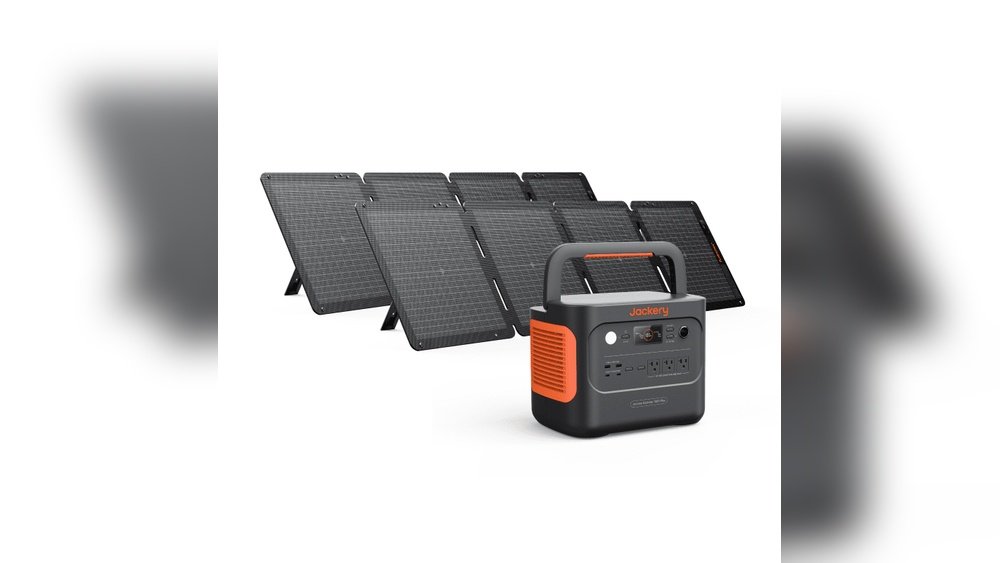
Portable solar generators are small and easy to carry. They work well for camping, outdoor activities, or emergency power. These generators usually have moderate power capacity. They charge from the sun and store energy in built-in batteries. You can use them to power small devices like phones, lights, or laptops.
Home Backup Solar Generators
Home backup solar generators provide power during outages. They have higher capacity than portable types. These generators can run essential home appliances for hours. Some models connect directly to home electrical systems. They charge using solar panels and can store enough energy for long use. They offer a reliable backup during storms or blackouts.
Hybrid Solar Generators
Hybrid solar generators combine solar power with other energy sources. They may use gas or diesel engines along with solar panels. This type ensures power even when the sun is not shining. Hybrid models are flexible and can supply more energy. They suit users who need constant power without interruption.
How Solar Generators Work
Understanding how solar generators work helps decide if they fit your needs. These devices use sunlight to create electricity. The process involves capturing sunlight, storing power, and converting it for use. Each part plays a key role in making solar energy useful anywhere.
Solar Panels And Energy Capture
Solar panels are the first step. They catch sunlight and change it into electricity. Made from special materials, they create direct current (DC) power. The more sunlight they get, the more energy they produce. Panels work best in bright, direct sunlight but still produce power on cloudy days.
Battery Storage Systems
The electricity from solar panels goes into a battery. Batteries store power for later use. This means you have electricity even when the sun is down. Good batteries hold charge for hours or days. They keep your devices running smoothly during power cuts or at night.
Inverter Functionality
Solar generators use an inverter to change power type. Batteries store direct current (DC), but most devices use alternating current (AC). The inverter changes DC to AC so you can plug in your appliances. This step is vital for making solar energy practical for everyday use.
Factors Affecting Solar Generator Value
Understanding the value of a solar generator depends on several key factors. These elements help you see if the investment fits your needs and situation. Evaluating each factor carefully can save money and ensure better satisfaction with your purchase.
Energy Needs Assessment
Start by measuring your daily energy use. List the devices you want to power. Calculate their total wattage and how long they run. This step helps pick a solar generator with the right capacity. Avoid buying one too big or too small for your needs.
Initial Investment Costs
Solar generators have upfront costs that vary widely. Prices depend on battery size, power output, and brand. Compare models to find one that fits your budget. Consider the long-term savings on electricity bills. A higher initial cost may pay off over time.
Maintenance And Lifespan
Solar generators need little maintenance but still require care. Check battery life and warranty terms before buying. Longer lifespan and good support add value. Regular checks keep the generator working well and extend its use.
Local Weather Conditions
Sunlight availability affects solar generator performance. Places with more sun produce more energy. Cloudy or rainy areas may need larger systems. Know your local weather to choose the right setup. This ensures reliable power when you need it most.
Comparing Solar Generators To Alternatives
Choosing the right power source can be tricky. Solar generators offer clean energy, but other options exist. Comparing solar generators to alternatives helps make a smart choice. Each option has pros and cons. Understanding these differences is important before buying.
Gasoline Generators
Gasoline generators run on fuel. They provide strong power and work fast. These generators are loud and produce fumes. They need fuel refills often, which costs money. Gasoline storage can be unsafe. Maintenance is higher than solar generators. Not the best for indoor use.
Battery Backup Systems
Battery backup systems store electricity for later use. They charge from the grid or solar panels. These systems are quiet and clean. But batteries lose power over time. They need replacement after several years. Battery backups work well for short outages. Limited power capacity compared to generators.
Grid Power
Grid power is electricity from local utilities. It is usually reliable and affordable. Power outages can happen during storms or issues. Grid power is not portable. It depends on infrastructure and location. Solar generators offer freedom from the grid. They provide power anywhere the sun shines.

Credit: www.jackery.com
Smart Savings Tips
Saving money with a solar generator means more than just buying one. Smart planning helps you get the most value. Simple tips can reduce costs and boost efficiency. These steps help you enjoy clean energy without overspending.
Maximizing Solar Panel Efficiency
Place solar panels where the sun shines brightest. Keep panels clean and free of dust or leaves. Tilt panels to match the sun’s path. Avoid shading from trees or buildings. These actions increase the power your panels produce daily.
Energy Usage Optimization
Use energy only when you need it. Turn off devices not in use. Run heavy appliances during peak sun hours. Use LED bulbs to save power. Lowering energy demand helps your solar generator last longer.
Choosing The Right Generator Size
Pick a generator that fits your energy needs. Too small means not enough power. Too big wastes money. Calculate your daily energy use before buying. This saves money and prevents energy waste.
Available Incentives And Rebates
Check for government programs that lower costs. Many places offer rebates for solar gear. Tax credits can reduce your bill too. Research local options before buying your generator. These incentives make solar power more affordable.
Common Misconceptions
Many people hesitate to buy solar generators because of common myths. These ideas often cause confusion and stop people from trying solar power. Understanding the truth helps to see if a solar generator fits your needs.
Solar Generators Are Too Expensive
People often think solar generators cost too much. Prices have dropped a lot in recent years. You can find models for different budgets. Solar generators save money on fuel and electric bills over time. This makes them a smart choice for many.
Limited Power Output
Some believe solar generators cannot power many devices. Modern solar generators can run small appliances easily. You can charge phones, lights, and laptops without trouble. Bigger models handle more power for tools or fridges. Choose a generator size that matches your needs.
Complicated Setup
Many expect a hard setup process with solar generators. Most come ready to use out of the box. Connecting panels and charging devices is simple. Instructions are clear and easy to follow. No special skills are required to get started.

Credit: poweredportablesolar.com
Real-life Use Cases
Solar generators offer practical solutions for many daily needs. They provide clean, quiet power in places without electricity. These devices are not just useful gadgets but essential tools for various real-life situations.
Emergency Preparedness
Power outages can happen anytime. Solar generators keep your lights on and devices charged during blackouts. They help run small appliances like fans and radios. This support is crucial during storms or natural disasters. Having a solar generator means you stay connected and safe.
Outdoor Adventures
Camping or hiking often means no access to power. Solar generators supply energy for phones, cameras, and lights. They are lightweight and easy to carry. This makes outdoor trips more comfortable and enjoyable. You can cook meals on electric stoves or charge GPS devices without worry.
Home Energy Backup
Homes can benefit from solar generators as backup power sources. They provide electricity during short power cuts. This keeps essential appliances like refrigerators and medical devices running. Solar generators reduce dependency on noisy gas-powered generators. They offer a quiet, eco-friendly alternative for home backup energy.

Credit: www.bluettipower.ph
Frequently Asked Questions
What Are The Main Benefits Of A Solar Generator?
Solar generators provide clean, renewable energy without fuel costs. They are quiet, low-maintenance, and ideal for emergencies or outdoor use. They reduce carbon footprints and offer independence from the grid, making them a smart eco-friendly investment.
How Long Do Solar Generators Typically Last?
Most solar generators last between 5 to 15 years, depending on battery quality and usage. Proper care and regular maintenance can extend their lifespan. High-quality models often feature replaceable batteries for longer service life.
Can A Solar Generator Power My Entire Home?
Solar generators can power essential devices but rarely support an entire home continuously. They are best for small appliances, lights, and electronics during outages or camping. For full home backup, a larger solar system with battery storage is recommended.
Are Solar Generators Cost-effective Compared To Gas Generators?
Solar generators have higher upfront costs but lower operating expenses. They require no fuel and minimal maintenance, saving money over time. Gas generators are cheaper initially but incur fuel and repair costs, making solar generators more economical long-term.
Conclusion
Solar generators offer clean, quiet power without fuel costs. They work well for camping, emergencies, and outdoor activities. While the upfront cost can be high, savings grow over time. They reduce reliance on traditional electricity and help the environment. Choosing the right model depends on your power needs and budget.
Overall, a solar generator can be a smart, eco-friendly choice. Consider your lifestyle to decide if it fits well. Solar energy is becoming more accessible every day. Could it be the right solution for you?