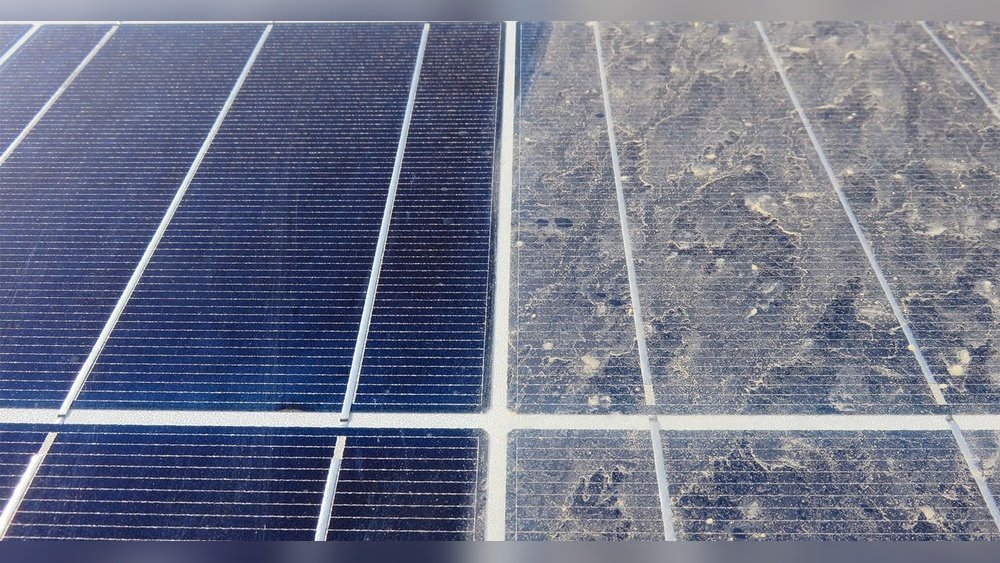
Keeping solar panels clean is more important than most people realize. Dirt, dust, bird droppings, pollen, and pollution can block sunlight from reaching the cells. This reduces how much electricity your panels produce — sometimes by 15% or more. For homeowners and businesses, that means lost savings and less clean energy.
Cleaning solar panels is not difficult, but it does require the right approach, tools, and timing. In this guide, you’ll learn how to clean solar panels safely and effectively. We’ll cover step-by-step instructions, common mistakes, safety tips, and what to avoid.
Whether you have rooftop panels or a ground-mounted array, you’ll find practical advice to keep your system working at its best.
Why Clean Solar Panels?
You might think rain will wash away dirt, but it doesn’t always do the job. Dust, leaves, bird droppings, and air pollution often stick to the surface. In cities, panels can collect grime from traffic. In rural areas, pollen and dust from farms are common. Here’s why cleaning matters:
- Dirty panels can lose 10–25% of their output, depending on location and dirt level.
- A study in California found that regular cleaning increased panel efficiency by about 12%.
- Bird droppings are especially problematic. They block light and don’t wash off easily.
- Clean panels last longer and need fewer repairs.
The effect is not just about small percentages. For example, if your home uses a 6 kW system, a 15% drop in production could mean losing hundreds of kilowatt-hours per year. That’s enough to power a refrigerator, lights, and other appliances — or cost you $100+ annually.
Businesses with larger systems can lose thousands.
Bird droppings are more than an eyesore. Their acidity can slowly damage the panel’s protective coating, making future cleaning harder and causing long-term wear. Dust and pollen may seem harmless, but they can create a thin film that scatters sunlight before it reaches the cells.
Over time, this reduces both efficiency and the lifespan of the panels.
If you want your investment to pay off, keeping panels clean is as important as regular system checks. It’s a simple step that ensures maximum output, and it can extend the life of your system by reducing strain on the electronics.
When Should You Clean Solar Panels?
Solar panels don’t need daily cleaning. For most homes, cleaning every 6–12 months is enough. However, the ideal timing depends on several factors:
- Location: In dusty areas or near factories, clean more often.
- Season: After pollen season or dry months, panels get dirtier.
- Rainfall: Heavy rain helps, but light showers may not remove sticky dirt.
- Visible dirt: If you notice a drop in output or see debris, clean sooner.
In some regions, spring brings a heavy load of pollen, which can leave a yellow-green layer on panels. In others, autumn leaves and sap can build up quickly. After construction or roadwork nearby, extra cleaning may be needed due to increased dust.
A good rule: check your panels every few months. If they look dirty or your energy bills rise, it’s time to clean. Some users set calendar reminders or check their output weekly. If you spot any sharp drops in energy production that aren’t explained by weather, a quick visual inspection is wise.
It’s better to clean too early than too late. Minor dirt is easy to remove, but thick grime can bake onto the glass in hot sun, making cleaning harder and reducing efficiency for longer.
Safety First: Preparing To Clean Solar Panels
Before you start, safety is critical. Solar panels are often on roofs, which can be dangerous. Follow these steps:
- Turn off the solar system: Always switch off the inverter and disconnect panels. This prevents shocks.
- Check weather: Clean panels early morning or late afternoon. Avoid midday when panels are hot.
- Wear safety gear: Use non-slip shoes, gloves, and if needed, a safety harness.
- Use a stable ladder: Make sure your ladder is secure and on level ground.
Even if you feel confident, always respect the risks of roof work. Wet or dusty roofs are slippery. If the panels are steep or the roof is high, ask someone to help hold the ladder, or use a spotter.
If your panels are hard to reach or you’re not comfortable on roofs, hire a professional. Falls are a real risk, and professional cleaners have the right equipment. Some local laws or insurance policies may also require professional help for work above a certain height.
Check the manufacturer’s safety guidelines, too. Some systems have quick-shutoff switches. Never stand or lean on the panels, as this can break the glass or damage the frame.
What Tools And Materials Do You Need?
You don’t need expensive equipment. Most solar panel cleaning can be done with common tools:
- Soft brush or squeegee with a long handle
- Bucket of clean water
- Mild soap or detergent (no harsh chemicals)
- Soft cloth or sponge
- Garden hose (not high-pressure)
- Safety gear: Gloves, non-slip shoes, safety harness
A telescopic pole is especially helpful for reaching panels from the ground or a ladder. For larger systems, consider a water-fed pole with a brush. These tools deliver filtered water and scrub gently.
Avoid using metal brushes or abrasive pads. These can scratch the glass and reduce efficiency. Scratches may seem small, but they scatter sunlight and permanently lower output. Even using a dirty cloth with grit can leave marks, so always rinse tools before use.
If you have hard water, distilled or filtered water prevents mineral deposits. Old towels can leave lint; microfiber cloths are best. For stubborn bird droppings, let soapy water sit a few minutes before wiping.
Step-by-step: How To Clean Solar Panels
Cleaning solar panels is simple if you follow these steps:
- Turn off the solar system. Safety comes first.
- Remove loose debris. Use a soft brush to sweep away leaves, dust, and twigs.
- Rinse panels with water. Use a garden hose (not high-pressure) to wash away dirt.
- Apply soapy water. Mix mild soap in a bucket. Use a soft cloth or sponge to gently clean the surface.
- Scrub gently. Focus on spots like bird droppings, but don’t press too hard.
- Rinse again. Wash off soap with clean water.
- Dry panels. Use a soft squeegee or let them air dry.
If panels are very dirty, work in small sections, rinsing as you go to prevent soap from drying on the glass. For ground-mounted panels, you may use a step stool or small ladder, but always keep your balance.
Never use harsh chemicals, pressure washers, or abrasive tools. These can damage the panels or void the warranty. If you see sticky residue (like tree sap), soak the spot with soapy water and gently rub with a soft cloth. For thick grime, a second pass may be needed.
Quick tip: Clean panels on a cloudy day or when the sun is low to avoid streaks caused by rapid drying.
Cleaning Solar Panels: Rooftop Vs. Ground-mounted
The cleaning method is mostly the same, but access and safety differ. Here’s a comparison:
| Panel Type | Access Difficulty | Safety Concerns | Cleaning Frequency |
|---|---|---|---|
| Rooftop | Hard | High (fall risk) | 6–12 months |
| Ground-mounted | Easy | Low | 4–8 months |
Ground-mounted panels are easier to reach and safer to clean. Rooftop panels require more caution and may need professional help.
If you have a carport or garage-mounted system, treat it like a rooftop setup for safety. For wall-mounted panels, use stable ladders and avoid overreaching.
One extra tip: If you have panels at different angles, clean the flatter ones more often, as these collect more dust and debris.

Credit: ratedpower.com
Common Mistakes To Avoid
Many beginners make simple mistakes when cleaning solar panels. Avoid these:
- Using harsh chemicals: These can damage the glass or backing.
- Cleaning during midday: Panels get hot and can crack if cooled suddenly.
- High-pressure washing: Water jets can break seals or damage panels.
- Not turning off the system: Cleaning live panels is dangerous.
- Using abrasive tools: Scratches lower efficiency and void warranties.
- Skipping safety gear: Roof work is risky without proper equipment.
Another mistake is cleaning too rarely. Waiting until panels look very dirty costs more in lost energy than the time spent cleaning.
Some people use kitchen sponges or window scrapers. These might seem gentle, but many leave micro-scratches. Always check that your tools are soft and clean.
A less obvious error is using water with high mineral content. This leaves cloudy spots that block sunlight and are very hard to remove once dried.
How Often Should You Clean Solar Panels?
The right cleaning schedule depends on your local environment. Here are some common scenarios:
- Urban areas: Pollution and dust mean panels need cleaning every 6 months.
- Rural areas: Pollen and farm dust often require cleaning every 4–8 months.
- Near trees: Bird droppings and leaves may need spot cleaning monthly.
- Rainy climates: Natural cleaning helps, but still check panels twice a year.
Monitor your system’s performance. If you notice lower output, check for dirt.
Many homeowners miss that “set and forget” is not enough. Even if you have rain, pollen and pollution can form a sticky film that only manual cleaning removes. In dry climates, dust storms can make monthly cleaning the norm.
Spot cleaning is often helpful. If you see a bird dropping or patch of dirt, gently wipe that area between full cleanings.
Do You Need Professional Cleaning?
Not everyone needs professional help, but sometimes it’s the best choice. Consider hiring a pro if:
- Panels are difficult to reach
- You have a large or complex system
- You’re not comfortable with heights
- Heavy buildup (like sticky sap or bird droppings) won’t come off
- You want maintenance checks with cleaning
Professionals use special tools and water filtration to avoid mineral spots. They can also inspect panels for damage.
Commercial properties or large arrays often benefit from scheduled professional cleaning. Some services include thermal imaging to check for hot spots or wiring problems. Even for homes, a yearly professional check can catch issues before they become costly.
Remember, your warranty may require proof of proper cleaning. Professional cleaners often provide records that help with warranty claims.
Automated Cleaning Systems
Large solar farms often use automated cleaning systems. These are mechanical arms or robots that clean panels regularly without human labor. Homeowners rarely need these, but they can be useful for:
- Commercial rooftops
- Large ground arrays
- Dusty environments where manual cleaning is impractical
Automated systems are expensive, but save labor and keep panels clean consistently.
There are two main types: water-based and dry (brush or air). Dry systems are preferred in water-scarce regions. Some new home systems offer basic automation, but for most people, manual cleaning is more cost-effective.
If you are considering automation for a business, calculate labor savings, water use, and panel downtime. Maintenance on these systems is also a factor.
Water Quality: Why It Matters
Using clean water is important. Tap water can leave mineral spots, which block sunlight. For best results:
- Use distilled water if possible
- Avoid hard water with high minerals
- Rainwater is ideal if collected cleanly
Mineral spots can reduce panel efficiency and are hard to remove once set.
In high-mineral areas, even a single cleaning with tap water can leave cloudy marks that last for months. If you see white spots after cleaning, try rinsing again with distilled water.
For large systems, water filtration attachments are available for hoses. These remove most minerals and prevent spotting. If you have a rain barrel, use that water, but filter out debris first.
Cleaning Products: What To Use And What To Avoid
Most panel manufacturers recommend plain water or mild soap. Avoid products with:
- Ammonia
- Bleach
- Strong acids or bases
These chemicals can damage the glass, seals, or backing. If you use a cleaning product, check it’s safe for solar panels.
There are specialty solar panel cleaners, but most are just gentle soaps. If you choose one, look for “panel-safe” or “pH neutral” on the label.
Window cleaners often contain ammonia or alcohol, which can damage anti-reflective coatings. Dish soap is usually safe, but use only a small amount (a few drops per liter). Too much soap leaves a residue.
Monitoring Panel Performance After Cleaning
After cleaning, check your energy production. Most systems have a monitoring app or display. You should see an increase in output, especially if panels were very dirty.
If output doesn’t improve, check for other issues like shading, wiring problems, or panel damage.
Compare your daily or weekly output with data from before cleaning. If you have an app, look for a jump in power generation. For older systems, check the inverter’s daily kWh reading.
If output stays low, there may be a technical problem. Call your installer if you see error codes, flickering lights, or physical damage.
How Weather Affects Cleaning
Weather plays a big role in how often you need to clean solar panels. Here are some examples:
- Dry, dusty climates: Panels get dirty faster and need more frequent cleaning.
- Rainy areas: Natural cleaning helps, but sticky dirt may remain.
- Pollen season: Panels can get a yellow coating, which needs removal.
- Winter: Snow can cover panels, but usually melts or slides off.
Never clean panels when they are hot or during bad weather.
After a storm, check for mud, leaves, or branches stuck on the panels. In high winds, debris can scratch glass, so inspect for damage.
If you live where sandstorms or wildfires are common, be ready for rapid cleaning after each event. In humid climates, mold or algae can form, which needs gentle cleaning with soap and water.
Cleaning Large Solar Farms
Solar farms use specialized tools and staff for cleaning. Here’s a comparison of manual vs. automated cleaning in large installations:
| Method | Labor Needed | Water Use | Efficiency | Cost |
|---|---|---|---|---|
| Manual | High | Variable | Good | Low upfront |
| Automated | Low | Controlled | Excellent | High upfront |
Manual cleaning is labor-intensive but cheaper. Automated systems require investment, but save money long term.
Some farms use tractor-mounted brushes or robots that travel between rows. Water is often recycled to reduce waste. Automated systems can clean at night or early morning, reducing downtime and maximizing daily output.
Environmental Impact Of Solar Panel Cleaning
Water use is a concern, especially in dry areas. Here’s how to minimize impact:
- Use rainwater or recycled water
- Clean only when necessary
- Avoid chemicals that can harm plants or soil
- Consider dry cleaning methods (soft brushes, air blowers)
Keeping panels clean helps them produce more energy, which offsets the environmental cost of cleaning.
If you live in a drought-prone area, use water-saving tools or clean with air first to remove most dust. For businesses, check local regulations about water use and runoff.
Some new cleaning systems use electrostatic brushes or vibrate panels to shake off dust without water. These are especially useful in arid climates.
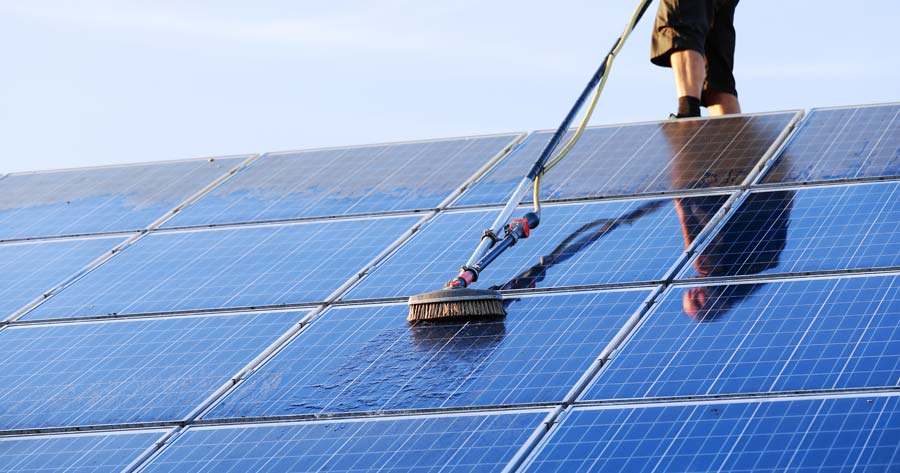
Credit: dfisolutions.com
Cleaning Solar Panels In Different Climates
The best cleaning methods can vary by region:
- Desert: Dust is a major issue. Use soft brushes and frequent cleaning.
- Coastal: Salt spray can leave a film. Rinse with fresh water regularly.
- Urban: Pollution and grime need more soap and water.
- Tropical: Heavy rains help, but leaves and pollen stick.
Adapt your cleaning schedule to local conditions for best results.
In deserts, panels may need cleaning every 1–2 months. By the sea, salty mist can corrode metal frames, so regular rinsing is important. In cities, clean after long dry spells or construction nearby.
Special Cases: Cleaning After Extreme Events
Sometimes panels need cleaning after unusual events:
- Wildfires: Ash and soot cover panels. Clean soon after the event.
- Construction nearby: Dust levels rise, requiring extra cleaning.
- Heavy storms: Debris and mud may stick to panels.
Check panels after these events, even if your regular schedule isn’t due.
Ash is especially tricky — it can be corrosive if left wet. Use gentle rinsing and avoid scrubbing dry ash, as it can scratch the glass.
Is Cleaning Worth The Effort?
Some people wonder if cleaning is necessary. Studies show it’s worth it. In one experiment, dirty panels lost up to 25% of their output. Regular cleaning restored full performance. For a typical home, this can mean hundreds of dollars per year in savings.
The cost of cleaning is usually far less than the lost energy over time. For businesses, regular cleaning can boost ROI and reduce payback time for the solar system.
If you want maximum energy and longest panel life, cleaning is not optional.
Diy Vs. Professional: Cost And Results
Let’s look at the cost difference between doing it yourself and hiring a pro:
| Cleaning Type | Average Cost | Time Needed | Risk | Result |
|---|---|---|---|---|
| DIY | $0–$50 | 1–2 hours | Medium (falls, damage) | Good |
| Professional | $100–$300 | 30–60 minutes | Low | Excellent |
DIY is cheaper, but requires care. Professionals deliver better results, especially for hard-to-reach panels.
Professionals may also spot minor issues like cracked glass or loose wiring that you might miss. Many offer warranties for their work, giving extra peace of mind.
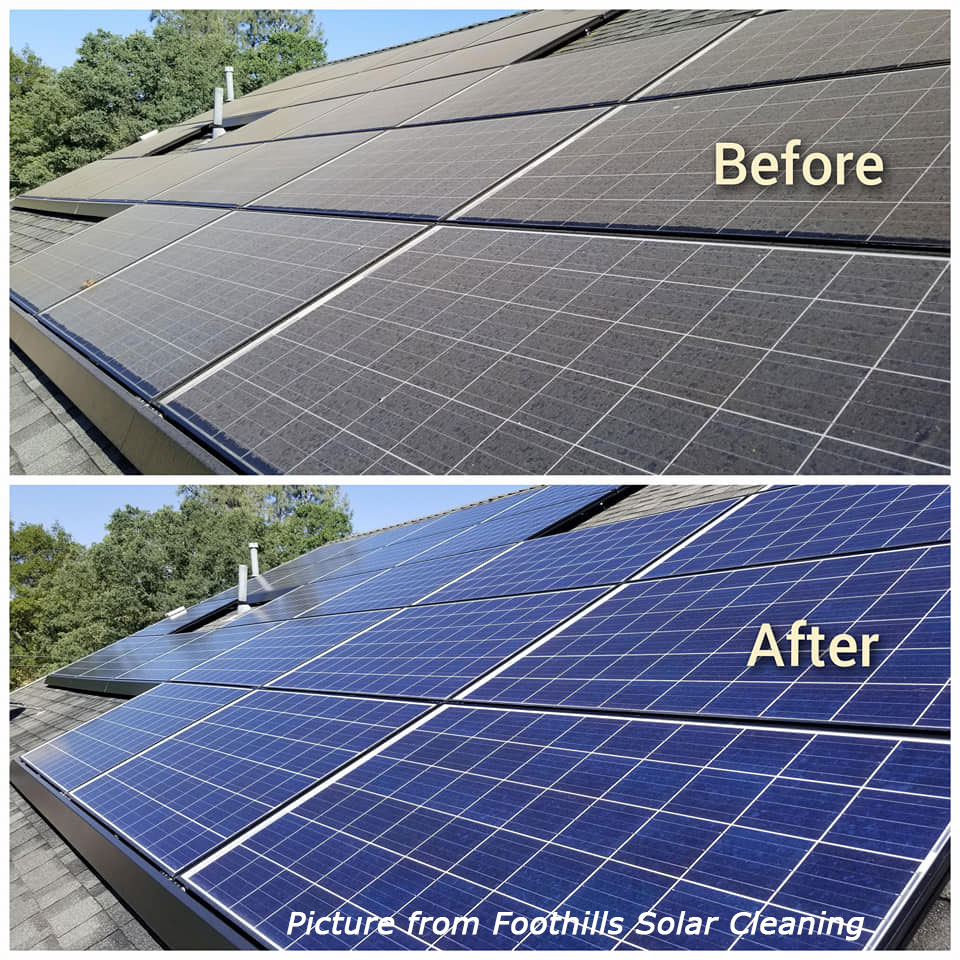
Credit: sustainableenergygroup.com
Tips For Cleaning Solar Panels Efficiently
Here are some expert tips to make cleaning easier:
- Clean early morning or late afternoon. Panels are cool and safer to touch.
- Use a telescopic pole. This helps reach panels without climbing.
- Check for loose wiring. If you see damage, call a pro before cleaning.
- Keep a record. Track cleaning dates and panel output.
- Avoid cleaning after rain. Wait for panels to dry before cleaning.
Many beginners miss that even small scratches can reduce panel output. Always use soft tools.
Another tip: Don’t forget panel edges. Dirt can build up there and creep inward. For large arrays, divide the work into sections and pace yourself to avoid rushing.
What About Snow And Ice?
Snow can cover panels and block sunlight, but it usually slides off with slanted panels. If needed:
- Use a soft broom to gently remove snow.
- Never use metal tools or salt (these damage panels).
- Do not pour hot water; temperature shock can crack glass.
Ice is harder to remove. Wait for it to melt naturally. Cleaning during winter is usually not necessary unless snow stays for weeks.
If you live in a snowy climate, installing panels at a steeper angle helps snow slide off. Some owners use roof rakes with rubber edges designed for solar panels.
Keeping Panels Clean: Prevention Tips
You can reduce how often you need to clean panels with a few simple steps:
- Trim nearby trees: Fewer leaves and less shade.
- Install bird deterrents: Spikes or nets keep birds away.
- Use anti-soiling coatings: Some panels have special coatings that reduce dirt buildup.
- Place panels at a steep angle: Dirt slides off more easily.
Prevention is as important as cleaning. A little effort saves work later.
For new installations, position panels away from vents or chimneys, which can deposit soot. Regularly check for nests or signs of animals.
How To Check If Panels Need Cleaning
Modern solar systems often include monitoring apps. If you see a drop in output not explained by weather or shading, check for dirt. For older systems, check the inverter display for daily output. Compare numbers before and after cleaning.
Visual checks are also helpful. If panels look dull or have visible grime, it’s time to clean.
A quick tip: Use a flashlight at night to check for streaks or spots you might miss in daylight.
Advanced Cleaning Methods
For very dirty panels, some advanced methods are used:
- Water-fed poles: These use filtered water to avoid spots.
- Robotic cleaners: Used in commercial settings for regular, automated cleaning.
- Air blowers: Remove loose dust without water.
- Dry cleaning pads: Used in dry regions where water is scarce.
These methods are usually not needed for home panels, but are useful for large arrays.
Some home users adapt car detailing tools, like spray bottles and microfiber pads, for gentle cleaning.
Warranty And Manufacturer Guidelines
Always check your panel warranty before cleaning. Most manufacturers recommend:
- Mild soap and water
- No abrasive tools
- No harsh chemicals
Improper cleaning can void your warranty. If in doubt, consult the manual or contact the manufacturer.
Some warranties require proof of regular cleaning for claims. Take photos or keep receipts if using a professional.
Cleaning Solar Panels: Step-by-step Example
Let’s walk through a real-world example:
A homeowner in Arizona noticed a drop in energy output. He checked his panels and saw a layer of dust and bird droppings. Here’s what he did:
- Turned off the solar inverter.
- Used a ladder with safety harness to reach panels.
- Swept off loose debris with a soft brush.
- Mixed mild soap in a bucket of distilled water.
- Used a soft sponge to gently scrub panels.
- Rinsed panels with a garden hose.
- Dried panels with a soft squeegee.
Result: Panel output increased by 18%. The homeowner learned to clean every 4 months instead of once a year.
This example shows the value of regular checks and gentle cleaning. The homeowner also started tracking output, making it easier to spot future drops.
Cleaning New Types Of Panels
Some newer solar panels use thin film or bifacial technology. Cleaning is similar, but be extra gentle. Thin film panels scratch easily, and bifacial panels may need cleaning on both sides. Check the manufacturer’s guidelines for these types.
Bifacial panels are often used on carports or ground mounts. If you clean both sides, use a soft cloth and rinse well to prevent streaks that can block light from either direction.
How Cleaning Affects System Output
The effect of cleaning depends on how dirty panels are. Studies show:
- Light dirt: 5–10% drop in output
- Heavy dirt: 15–25% drop
- Bird droppings: Up to 30% loss in affected areas
After cleaning, output returns to normal. For a 5 kW system, cleaning can mean an extra 500–1500 kWh per year.
For businesses, this can mean thousands of dollars in extra revenue or savings. Even for homes, the increased output quickly pays for the time or money spent cleaning.
Solar Panel Cleaning Myths
Some myths confuse homeowners. Here are the facts:
- Rain does NOT always clean panels fully.
- High-pressure washing is NOT safe.
- Only professionals can clean panels — false. DIY is possible with care.
- Panels don’t need cleaning — false. Studies prove the benefits.
Don’t be fooled by claims that “self-cleaning” panels never need attention. Even with special coatings, some manual cleaning is still needed.
Cleaning Solar Panels: What Beginners Often Miss
Two important insights beginners miss:
- Mineral spots can form from tap water. These block sunlight and are hard to remove. Always use clean or distilled water.
- Even light scratches reduce efficiency. Soft tools are a must. Don’t use kitchen sponges or rough brushes.
Also, beginners often forget to turn off the system. This is dangerous and must be avoided.
Another missed point: The edges of panels often collect more dirt than the center. Pay special attention to corners when cleaning.
Maintaining A Cleaning Log
Keeping a record helps track panel performance. Log:
- Cleaning dates
- Panel output before and after
- Weather conditions
- Any issues found
This helps spot trends and plan future cleanings.
For businesses, logs are useful for warranty claims and maintenance reports. Even for homes, a simple notebook or phone app makes tracking easy.
Cleaning Panels In High-pollution Areas
If you live near factories or highways, panels get dirty faster. Clean every 3–4 months. Use extra water and mild soap. Pollution sticks harder than dust and needs more effort to remove.
Wipe panels gently but thoroughly. For thick grime, let soap sit a few minutes before rinsing. Consider installing a pre-filter on your hose to reduce water spots.
Choosing The Right Cleaning Service
If you hire a professional, check:
- Experience with solar panels
- Insurance and safety record
- Water filtration equipment
- Positive reviews
A good service protects your panels and delivers better results.
Ask for a written quote and details on the process. The best services use filtered water, soft brushes, and safety harnesses. Avoid companies that use pressure washers or harsh chemicals.
Solar Panel Cleaning For Businesses
Businesses with large arrays need a schedule. Set up regular cleaning every 2–4 months. Use professional services or automated systems. Track output to confirm cleaning is effective.
For very large installations, consider training maintenance staff or contracting with companies that specialize in solar panel care. Clean panels can boost company sustainability reports and lower energy costs.
Cleaning Frequency: Data From Real Users
A survey of solar panel owners found:
- 60% clean panels every 6 months
- 25% clean once a year
- 10% clean quarterly
- 5% never clean
Those who clean more often report higher output and fewer repairs.
This shows the value of attention. Even small increases in cleaning frequency can make a big difference in annual energy output.
Solar Panel Cleaning Vs. Maintenance
Cleaning is different from maintenance. Maintenance includes checking wiring, inverter, and mounting hardware. Cleaning is only about removing dirt. Both are needed for best performance.
A full maintenance check once a year is smart. Combine this with cleaning for efficiency and safety.
Cleaning Solar Panels: Global Practices
In countries like India and the Middle East, dust is a major issue. Panels are cleaned every month. In Europe, rain helps, and cleaning is less frequent. Adapt your approach to your region.
In Japan, where there is heavy pollen, panels are often cleaned after the spring bloom. In Australia, bushfire ash can be a seasonal problem.
Resources For Solar Panel Cleaning
For more details, visit U.S. Department of Energy. They offer official guidelines and tips.
Frequently Asked Questions
How Much Does It Cost To Clean Solar Panels?
Professional cleaning costs $100–$300, depending on system size and access. DIY cleaning costs less, usually just the price of tools and cleaning supplies.
Can I Use A Pressure Washer To Clean Solar Panels?
No, pressure washers can damage seals and glass. Use a garden hose with gentle pressure instead.
How Often Should Solar Panels Be Cleaned?
Most panels need cleaning every 6–12 months. In dusty or polluted areas, clean more often.
Does Rain Clean Solar Panels Enough?
Rain removes loose dirt but doesn’t wash away sticky grime or bird droppings. Manual cleaning is still needed.
What Happens If I Don’t Clean My Solar Panels?
Dirty panels lose efficiency, sometimes up to 25%. You’ll get less energy and may shorten panel lifespan.
Keeping your solar panels clean is one of the simplest ways to protect your investment and make the most of your renewable energy system. With the right tools, timing, and safety steps, you can maintain maximum efficiency and enjoy lower energy bills for years.