Are you wondering how many watts your solar panel system needs to power your home or business? Getting this right can save you money and make sure you have enough energy when you need it.
But figuring it out can feel confusing with all the numbers and technical terms. Don’t worry—this guide will break it down step-by-step, so you can easily understand what size solar panel fits your needs. By the end, you’ll know exactly how to choose the perfect wattage to keep your lights on and your bills low.
Keep reading to find out!
Credit: nrgcleanpower.com
Calculate Your Energy Needs
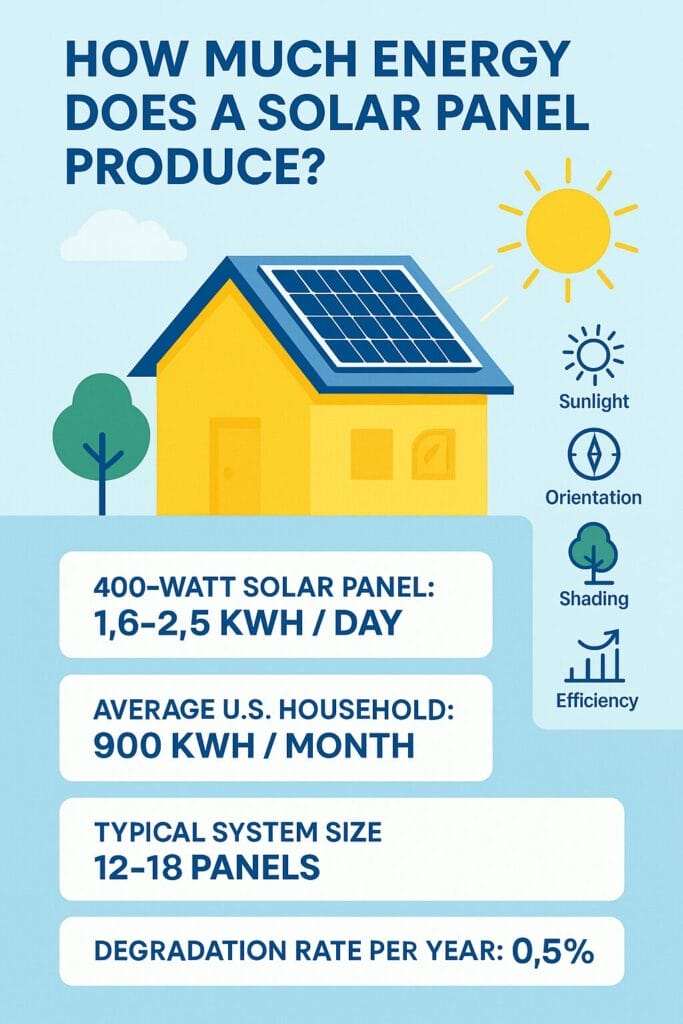
Knowing how much energy you use is the first step to choosing the right solar panel. This helps you find the right size and power for your system. Start by looking at your daily electricity use and the power of your appliances. Also, think about how seasons change your energy needs. Careful calculation saves money and ensures you have enough power all year.
Assess Daily Electricity Usage
Check your electricity bills for daily or monthly usage. Find the average kilowatt-hours (kWh) you use each day. This number shows how much energy you need to produce. Write it down to use later in your solar panel calculation.
Consider Appliance Power Ratings
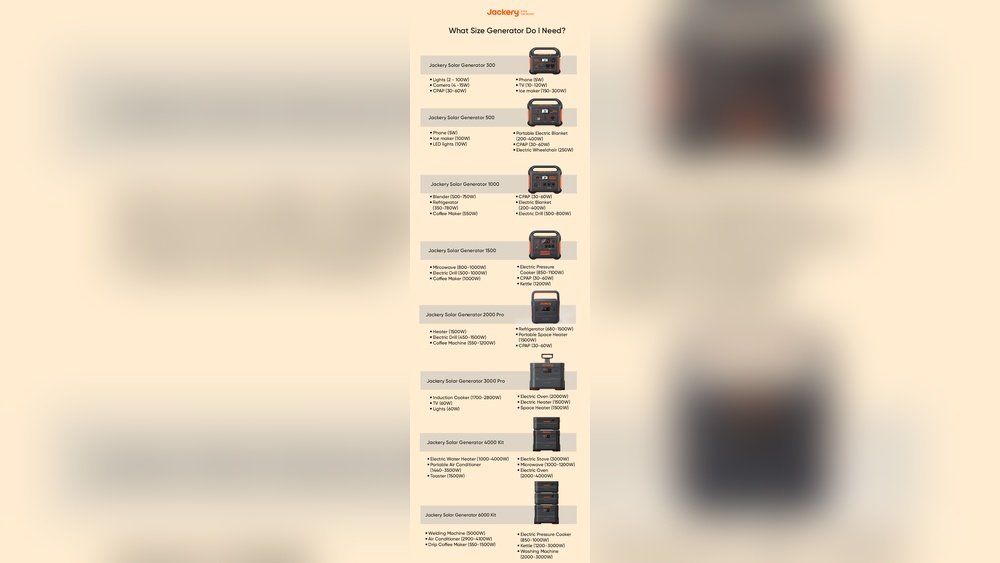
Look at each appliance’s power label. It shows watts used per hour. Multiply watts by hours used daily to get daily energy use. Add all appliances’ energy use for total daily needs. This method gives a clear picture of your energy demand.
Account For Seasonal Variations
Energy needs change with seasons. In winter, heating may use more power. Summer might increase cooling costs. Note these changes to avoid underestimating your solar power needs. Plan for the highest use period to keep your home powered all year.

Credit: www.youtube.com
Understand Solar Panel Ratings
Understanding solar panel ratings is key to choosing the right system size. These ratings help you know how much power a panel can produce. They also show how well the panel converts sunlight into electricity. Knowing this helps you find panels that fit your energy needs and budget.
Watts And Efficiency Explained
Watts measure the power a solar panel can produce. A higher watt number means more power output. Efficiency shows how much sunlight turns into usable electricity. Panels with higher efficiency produce more power in less space. Both watts and efficiency matter for your energy goals.
Types Of Solar Panels
There are three main types of solar panels: monocrystalline, polycrystalline, and thin-film. Monocrystalline panels have high efficiency and last long. Polycrystalline panels cost less but have lower efficiency. Thin-film panels are lightweight and flexible but produce less power. Choose the type that fits your roof and budget.
Impact Of Panel Quality
Quality affects how well panels perform over time. High-quality panels keep producing power longer. Low-quality panels may lose efficiency quickly. Look for panels with good warranties and trusted brands. Quality impacts your system’s reliability and long-term savings.
Estimate Sunlight Availability
Estimating sunlight availability is key to knowing how many watts your solar panel needs. The amount of sun impacts the power your system can generate. This section helps you understand sunlight factors that affect solar energy.
Sun Hours By Location
Sun hours vary greatly depending on your location. Some places get more direct sun daily. Others have shorter sun exposure. Check local solar maps to find average sun hours. This info helps estimate your panel’s output.
Effect Of Weather And Shade
Clouds, rain, and fog reduce sunlight hitting panels. Shade from trees or buildings also lowers power. Even small shadows can cut energy production. Plan your panel spot to avoid shade. Consider typical weather patterns when estimating sunlight.
Tracking Seasonal Changes
Sunlight changes with seasons. Summer brings longer days and more sun hours. Winter days are shorter with less sun. Panels produce less power in winter. Knowing seasonal shifts helps size your system correctly for year-round use.
Calculate Required Solar Panel Wattage
Calculating the required solar panel wattage is important for a reliable solar power system. It ensures your panels produce enough energy for your needs. This section explains how to find the right wattage. You will learn a simple formula, how to adjust for losses, and what to consider about batteries and inverters.
Formula For Sizing Panels
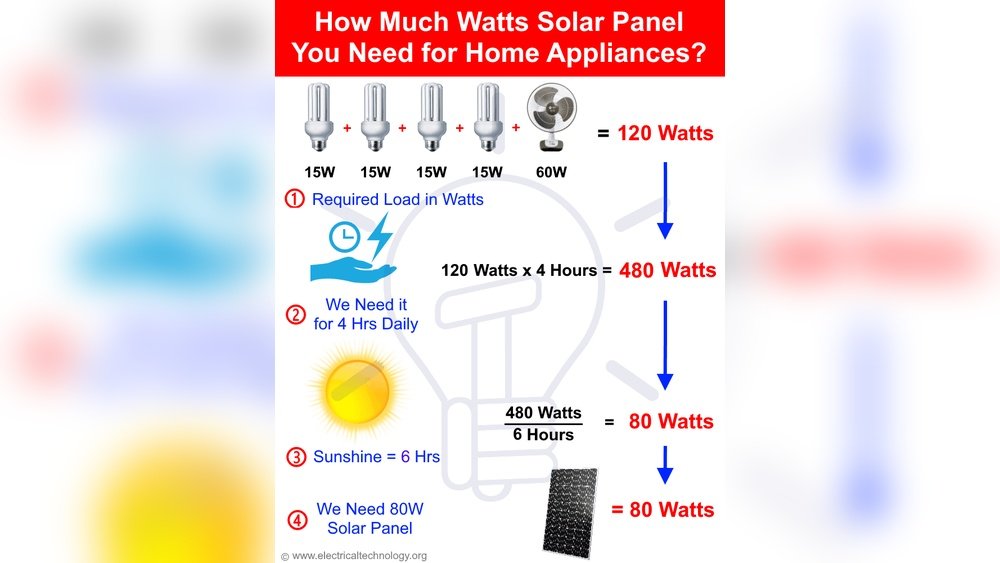
Start by knowing your daily energy use in watt-hours (Wh). This is the total electricity your home uses each day. Next, find the average sunlight hours your location receives per day. Divide your daily energy use by sunlight hours. The result is the minimum wattage your solar panels need.
For example, if you use 3,000 Wh daily and get 5 hours of sunlight, divide 3,000 by 5. You get 600 watts. Your solar panels should produce at least 600 watts each day.
Adjusting For System Losses
Solar systems lose some energy during conversion and transmission. Losses can come from dirt, wiring, and temperature changes. Add about 20% to your calculated wattage to cover these losses. Multiply your minimum wattage by 1.2 to get the adjusted wattage.
In the previous example, multiply 600 watts by 1.2. The result is 720 watts. This is the wattage you should plan for to ensure enough power.
Battery And Inverter Considerations
Batteries store energy for use when the sun is not shining. They need enough capacity to hold your daily energy use. Choose batteries that match your energy needs and solar panel size.
Inverters convert solar power to usable electricity. They must handle the total wattage of your solar panels. Select an inverter that fits your panel wattage and battery system. Proper sizing keeps your system efficient and safe.
Choose The Right Solar Panel System
Choosing the right solar panel system is key to meeting your energy needs. The right system fits your lifestyle and budget. It also matches your power goals. This section explains the main types of solar systems. It helps you pick the best one for your home or business.
Grid-tied Vs Off-grid Systems
Grid-tied systems connect to the local power grid. They send extra energy back to the grid. This can reduce your electricity bills. Off-grid systems work independently. They store energy in batteries for use later. Off-grid suits places without reliable grid access. Each system has pros and cons. Think about your location and energy needs.
Hybrid Options
Hybrid systems combine grid-tied and off-grid features. They use batteries but also connect to the grid. This means backup power during outages. Hybrids offer more energy security. They can save more money over time. These systems work well in areas with unstable grids. They provide flexibility and peace of mind.
Scalability And Expansion
Plan for future energy growth. Choose systems that allow easy expansion. Add more panels or batteries as needs grow. Scalability keeps your system useful longer. It avoids costly replacements later. Think about your future power use now. This saves money and hassle later on.
Optimize Solar Panel Performance
Optimizing solar panel performance helps you get the most energy from your system. Small changes can improve efficiency and save money. Simple steps ensure your panels work well every day.
Proper Panel Placement
Place panels where the sun shines the most. South-facing roofs usually get the best light. Avoid shade from trees or buildings. Tilt panels at the right angle for your location. This angle helps catch more sunlight.
Maintenance Tips
Keep panels clean for better performance. Dust, dirt, and leaves block sunlight. Use water and a soft cloth to clean panels. Check panels for damage like cracks or loose wires. Regular maintenance prevents power loss.
Monitoring System Output
Track your solar system’s energy production daily. Monitoring tools show if panels work well. Spot problems early before they get worse. Compare output to expected numbers to find issues. Good monitoring helps keep panels efficient.
Budgeting And Cost Factors
Choosing the right solar panel wattage depends a lot on your budget. Understanding the costs helps in planning your solar project well. You must consider the total cost, possible savings, and any financial help available. This section breaks down the key budgeting and cost factors.
Initial Investment
The initial investment covers buying and installing solar panels. Higher wattage panels cost more upfront. Installation fees, wiring, and permits add to the total cost. Quality and brand also affect prices. Think about your budget and how much you can spend now.
Long-term Savings
Solar panels reduce your electricity bills over time. The bigger the system, the more energy you save. Savings grow as utility rates increase. Panels last for 25 years or more. Over time, your solar system pays back the initial cost.
Incentives And Rebates
Many governments offer incentives to lower solar costs. These include tax credits, rebates, and grants. Incentives can cut your upfront expenses by a large margin. Check local programs to find available offers. These savings make solar panels more affordable.

Credit: www.youtube.com
Frequently Asked Questions
How Many Watts Do I Need For My Home Solar Panel?
Calculate your daily energy use in kilowatt-hours first. Then, divide by peak sunlight hours to find required wattage. This helps determine the right solar panel size for your home.
What Factors Affect Solar Panel Watt Requirements?
Energy consumption, sunlight availability, panel efficiency, and location all impact watt needs. Consider these for accurate solar panel sizing. Weather and shading also influence power generation.
Can I Increase Solar Watts By Adding More Panels?
Yes, adding panels increases total wattage and energy output. This allows you to meet higher energy demands or expand your system over time.
How Do I Calculate Solar Panel Wattage For Appliances?
Add up the wattage of all devices used daily. Multiply by usage hours to get total energy need. This guides your solar panel wattage selection.
Conclusion
Choosing the right solar panel wattage saves money and energy. Think about your daily power use and sunlight hours. A well-sized system meets your needs without waste. Smaller homes need fewer watts; bigger homes need more. Always check your budget and roof space too.
Planning carefully helps you get the best results. Solar power can lower bills and help the planet. Start with these basics to find what fits you. Take your time and ask questions if unsure. Solar energy works well when matched to your life.