Wondering how long it takes to charge your solar generator from a wall outlet? You’re not alone.
Knowing the exact charging time helps you plan better and avoid running out of power when you need it most. Whether you’re camping, facing a power outage, or just want to keep your devices ready, this simple but crucial detail can make all the difference.
Keep reading, and you’ll learn exactly what affects charging time and how to get the most from your solar generator. Your power backup will never catch you off guard again.
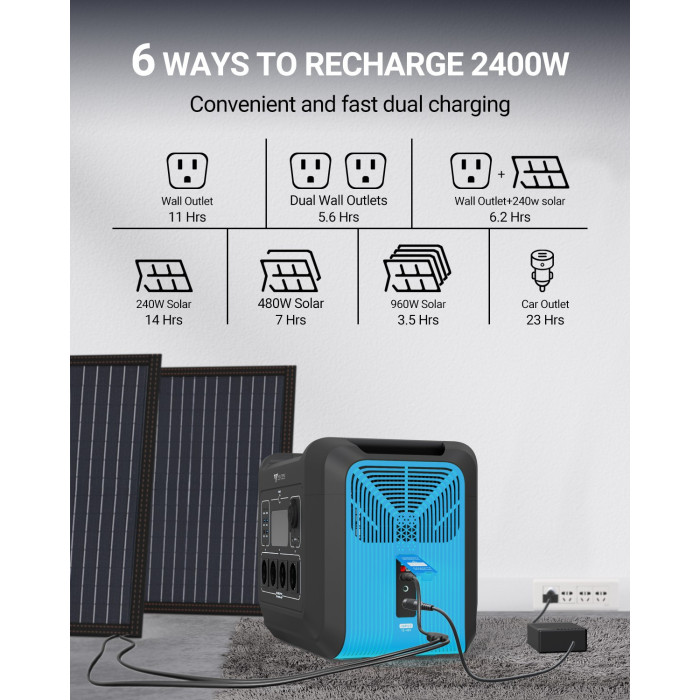
Credit: poweroak.eu
Factors Affecting Charging Time
Charging time varies based on several key factors. These factors influence how fast your solar generator refills from a wall outlet. Understanding them helps you estimate charging duration better.
Generator Capacity
The size of the generator’s battery affects charging time. Larger batteries take longer to charge fully. Small generators refill quicker but store less power.
Wall Outlet Power Output
The power output of the wall outlet impacts charging speed. Higher wattage outlets deliver more energy per hour. Low-power outlets slow down the charging process.
Charging Cable Quality
Cables carry the power from the outlet to the generator. High-quality cables transfer energy efficiently. Poor cables cause energy loss and extend charging time.
Estimating Charging Duration
Estimating how long it takes to charge a solar generator from a wall outlet is important. It helps you plan your energy use and avoid running out of power. Charging time depends on several key factors. Understanding these can make charging easier and more efficient.
Let’s break down the main points to estimate charging duration accurately.
Calculating Battery Size
The battery size of your solar generator is the first factor. It is usually measured in watt-hours (Wh). A bigger battery holds more energy and takes longer to charge. For example, a 500Wh battery stores 500 watts of power for one hour. Knowing the battery size helps predict charging needs.
Assessing Power Input
Power input is how much electricity the wall outlet gives to the solar generator. It is measured in watts (W). Higher power input means faster charging. A 100-watt input charges quicker than a 50-watt input. Check the solar generator’s input rating to find the right number.
Typical Charging Times
To estimate charging time, divide battery size by power input. For example, a 500Wh battery with a 100W input takes about 5 hours. Charging times vary from 3 to 12 hours based on battery and input. Small batteries charge in less time, larger ones need more.
Understanding these factors helps you manage your solar generator better.
Step-by-step Charging Process
Charging a solar generator from a wall outlet is simple. Follow these steps to charge it safely and efficiently. This process helps you know how long it takes and keeps your generator ready for use.
Preparing The Generator
First, place the generator on a flat surface. Make sure it is dry and clean. Check the battery level to see how much charge it needs. Turn off the generator before plugging it in. This prevents any electrical issues during charging.
Connecting To Wall Outlet
Use the charger that came with your generator. Plug one end into the generator’s charging port. Plug the other end into a standard wall outlet. Confirm the outlet works by testing with another device. Avoid using extension cords to reduce power loss.
Monitoring The Charge
Watch the generator’s display or indicator lights. They show the current charging status. Charging time depends on battery size and power input. Unplug the charger once the battery is full. Overcharging can reduce battery life.

Credit: www.amazon.com
Tips To Speed Up Charging
Charging a solar generator from a wall outlet can take time. Using smart tips helps speed up the process. Faster charging means more power when you need it. Follow these simple tips to get better results.
Using High-power Outlets
Choose outlets with higher power ratings. A 15-amp or 20-amp outlet charges faster than a 5-amp one. These outlets deliver more electricity safely. Check your generator’s manual for the best outlet type. Using the right outlet reduces charging time significantly.
Avoiding Power Fluctuations
Power changes slow down charging and can harm batteries. Keep your generator away from unstable power sources. Use surge protectors to prevent sudden power spikes. Stable power means quicker, safer charging. Avoid plugging into outlets with frequent voltage drops.
Maintaining Battery Health
Healthy batteries charge faster and last longer. Avoid letting the battery drain completely before charging. Charge regularly to keep the battery active. Store the generator in a cool, dry place. Clean battery contacts for better connection. Good battery care speeds up the charging process.
Safety Precautions
Charging a solar generator safely is very important. It helps protect the device and keeps you safe from harm. Following safety rules can prevent accidents and damage to your generator. Simple steps make a big difference in safe charging.
Avoiding Overcharging
Overcharging can damage the battery inside the solar generator. It shortens the battery life and may cause overheating. Always use the charger that comes with your generator. Unplug the charger once the battery is full. Some generators have an automatic stop feature. Make sure to check if yours has this feature.
Handling Cables Properly
Keep charging cables neat and untangled. Avoid pulling or bending cables sharply. Damaged cables can cause sparks or short circuits. Use cables that fit your generator’s charging port. Store cables in a dry place away from direct sunlight. Clean the connectors gently before plugging them in.
Recognizing Faulty Equipment
Inspect your charger and cables regularly for damage. Look for cracks, frayed wires, or loose parts. Faulty equipment can cause electric shocks or fires. Stop using any damaged parts immediately. Replace broken chargers or cables with new ones. Always buy parts from trusted sources to ensure quality.
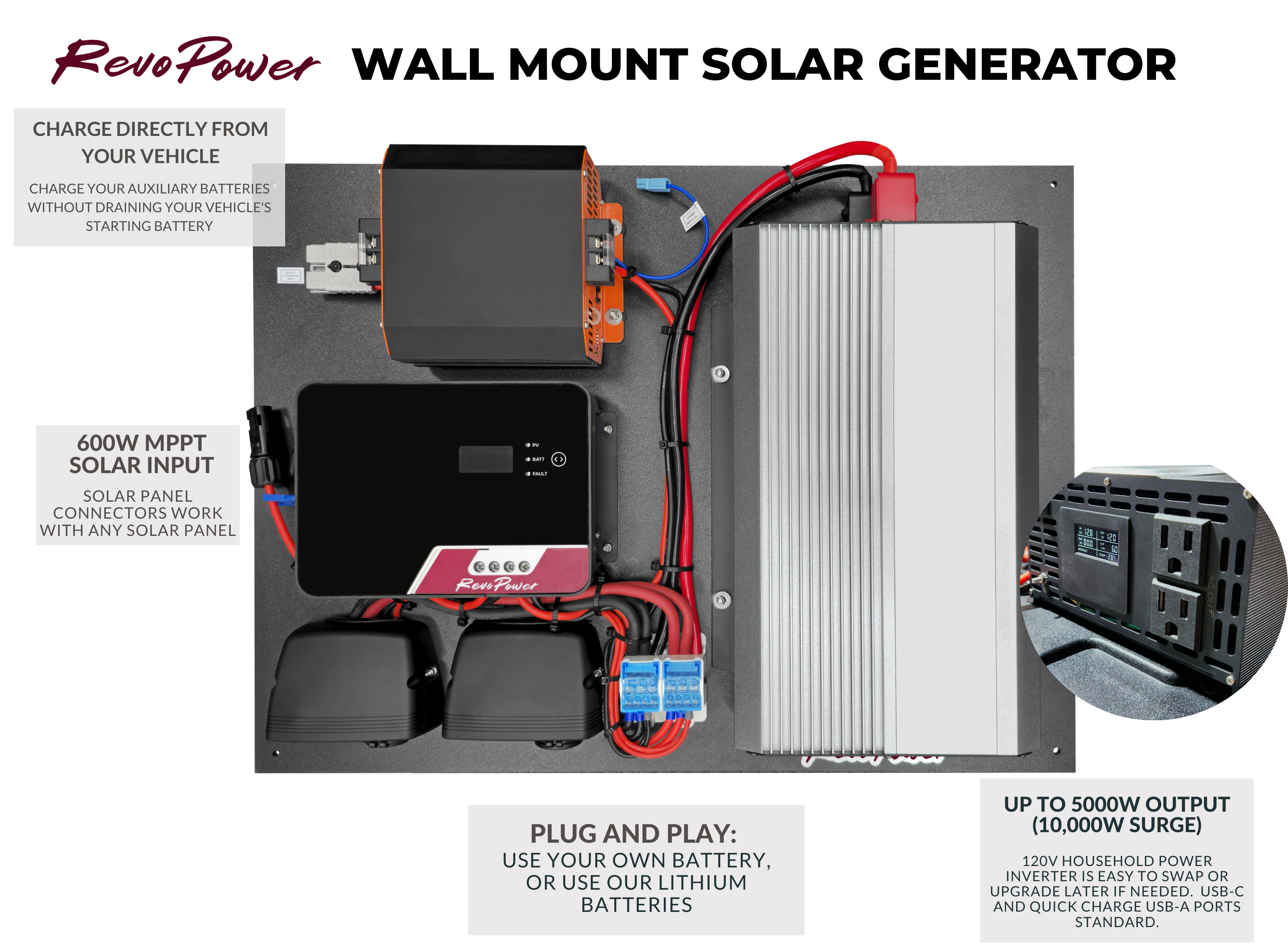
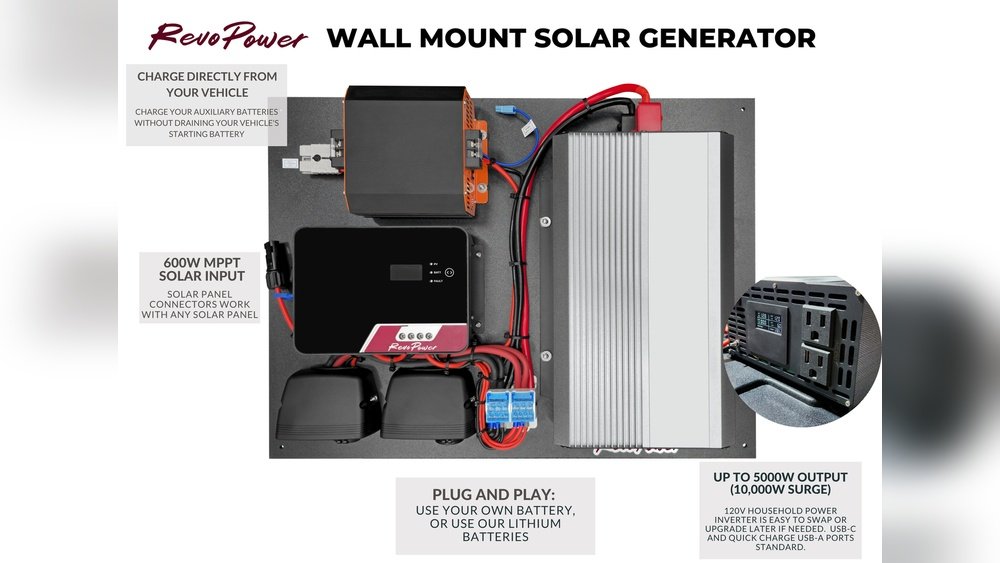
Credit: revopower.us
Alternative Charging Methods
Charging a solar generator does not rely only on wall outlets. Alternative charging methods offer flexibility and convenience. These options help keep your power source ready in different situations. They are useful for outdoor activities, emergencies, or when power grids fail.
Solar Panel Charging
Solar panels convert sunlight into electricity. They are a clean and quiet way to charge your generator. The charging speed depends on the panel size and sunlight strength. Portable solar panels are easy to carry and set up. Ideal for camping or remote locations.
Car Charger Options
Car chargers let you charge a solar generator from your vehicle. Use the 12V socket or cigarette lighter port. This method is handy during road trips or emergencies. Charging time varies with the car’s engine and battery health. It provides power without needing a wall outlet.
Portable Power Stations
Portable power stations can recharge solar generators too. They store energy and release it when needed. This method works well during power outages or travel. Some power stations support fast charging. They add another layer of backup for your energy needs.
Frequently Asked Questions
How Long Does It Take To Charge A Solar Generator From A Wall?
Charging time varies by generator size and wattage. Small units take 4-6 hours, larger ones up to 12 hours. Always check the manufacturer’s specs for precise times.
Can I Use Any Wall Outlet To Charge A Solar Generator?
Yes, most solar generators charge using standard 110-120V wall outlets. Ensure your outlet provides stable power to avoid damage or slow charging.
Does Battery Capacity Affect Charging Time From A Wall?
Yes, larger battery capacity means longer charging times. Higher-capacity batteries store more energy, requiring extended wall outlet charging compared to smaller units.
Is Wall Charging Faster Than Solar Panel Charging?
Generally, yes. Wall charging provides consistent power, making it faster than solar panels, which depend on sunlight and weather conditions.
Conclusion
Charging a solar generator from a wall outlet takes time. It depends on the generator’s size and the wall charger’s power. Smaller generators charge faster, while bigger ones need more hours. Using the right charger helps save energy and avoid damage.
Always check your generator’s manual for exact charging times. Regular charging keeps your generator ready for use. Knowing how long it takes helps plan your power needs. Simple steps lead to better battery care and longer life. Stay prepared, and your solar generator will serve you well.