Are you worried about your flexible solar panels losing their efficiency? One common issue that could be affecting your energy output is delamination.
This hidden problem can slowly damage your panels, reducing their lifespan and performance without you even noticing at first. Understanding what causes flexible solar panel delamination and how to spot it early can save you time, money, and frustration. Keep reading to discover the key signs to watch for and practical steps you can take to protect your investment and keep your solar power running strong.
Delamination In Flexible Solar Panels
Flexible solar panels are popular for their lightweight and bendable design. They fit well on curved surfaces and portable setups. But they can face a serious issue called delamination. This problem can reduce the panel’s efficiency and lifespan. Understanding delamination helps in spotting and fixing it early.
What Is Delamination?
Delamination happens when the layers inside a flexible solar panel start to separate. These layers include the solar cells, protective films, and adhesives. The bond between these layers weakens due to heat, moisture, or physical stress. This separation damages the panel’s structure and lowers power output.
Signs Of Delamination
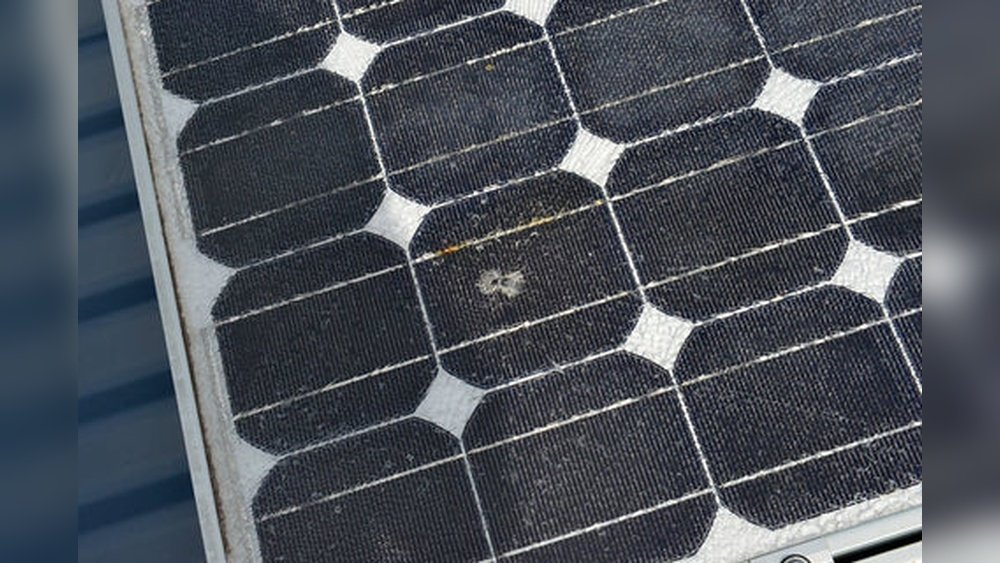
Look for bubbles or wrinkles on the panel surface. These indicate air pockets forming between layers. Discoloration or dark spots may appear around the solar cells. The panel might also feel less sturdy or show cracks. Lower energy production can be a sign too. These signs mean the panel needs inspection or repair soon.
Common Causes Of Delamination
Delamination is a common issue in flexible solar panels. It causes layers to separate, reducing panel efficiency and lifespan. Understanding the causes helps to prevent this problem and improve panel durability. Below are the main reasons flexible solar panels suffer from delamination.
Manufacturing Defects
Poor manufacturing can cause weak bonds between layers. Improper lamination or uneven adhesive application leads to gaps. These defects allow moisture and air to enter, causing layers to peel apart. Quality control during production is crucial to avoid these problems.
Environmental Stress
Flexible solar panels face harsh outdoor conditions. Rain, dust, and wind put pressure on the layers. Constant exposure to moisture can seep into the panel, weakening the bonds. Over time, this stress causes the layers to separate and delaminate.
Material Incompatibility
Different materials react differently to heat and moisture. When the panel uses incompatible layers, they expand and contract at different rates. This mismatch creates tension inside the panel. The tension can break the adhesive bonds and cause delamination.
Thermal Cycling Effects
Flexible solar panels heat up under the sun and cool at night. This daily temperature change causes layers to expand and contract repeatedly. Over time, this cycle weakens the adhesive and causes layers to separate. Thermal cycling is a major factor in delamination problems.
Impact On Solar Panel Performance
Delamination in flexible solar panels affects their performance in serious ways. This problem causes layers of the panel to separate. Such damage reduces the panel’s ability to convert sunlight into electricity effectively. The overall lifespan of the panel also shortens. These impacts harm both energy output and reliability.
Reduced Efficiency
Delamination blocks sunlight from reaching solar cells properly. This reduces the amount of energy produced. Even small separations between layers can lower efficiency. Over time, energy loss grows. The panel produces less power than it should.
Electrical Failures
Separated layers expose internal parts to moisture and dust. This causes short circuits and corrosion. Electrical connections may break or weaken. These failures stop the panel from working correctly. Repairs can be costly or impossible.
Structural Integrity Loss
Delamination weakens the panel’s structure. Layers peel away, causing cracks or bends. The panel becomes fragile and less durable. Wind, rain, and handling can cause more damage. The risk of complete panel failure rises.

Credit: shopsolarkits.com
Detection Techniques
Detecting delamination in flexible solar panels is key to maintaining their efficiency. Early detection helps prevent power loss and extends panel life. Various techniques reveal delamination signs without damaging the panels.
Visual Inspection
Visual inspection is the simplest detection method. It involves checking panels for bubbles, cracks, or discoloration. These signs often indicate delamination. Use good lighting and magnification tools for better results.
Infrared Thermography
Infrared thermography detects temperature changes on the panel surface. Delaminated areas show different heat patterns. This non-contact method quickly scans large panel areas. It helps spot hidden defects invisible to the eye.
Ultrasonic Testing
Ultrasonic testing uses sound waves to find delamination inside panels. The waves reflect differently from damaged spots. This method provides detailed internal images. It requires special equipment and trained operators.
Electroluminescence Imaging
Electroluminescence imaging shows panel defects by capturing light emitted from solar cells. Damaged or delaminated areas emit less light. This technique offers high sensitivity and accuracy. It works best in dark environments.
Preventive Measures
Flexible solar panel delamination reduces efficiency and lifespan. Preventive measures help avoid these issues early. Taking steps during manufacturing and installation protects panels from damage. These actions improve durability and performance over time.
Quality Control In Manufacturing
Strict quality control ensures panels meet high standards. Detecting defects early prevents weak spots. Testing adhesion between layers is crucial. Consistent checks reduce chances of delamination later.
Improved Material Selection
Choosing strong, flexible materials helps panels resist wear. Materials must bond well under heat and stress. Using tested, durable components lowers delamination risks. Quality materials extend the panel’s working life.
Protective Coatings
Coatings shield panels from moisture and dirt. They prevent water from seeping between layers. UV-resistant coatings stop sun damage. Applying these protects the panel surface effectively.
Proper Installation Practices
Careful installation avoids bending or stress on panels. Using the right tools and techniques is key. Secure mounting prevents panel movement and damage. Proper handling reduces risk of layer separation.
Repair And Mitigation Options
Flexible solar panel delamination can reduce efficiency and cause damage. Repair and mitigation options help extend panel life and restore performance. Early action limits harm and saves costs. Different methods suit different damage levels and locations.
Resealing Methods
Resealing is a common way to fix minor delamination. It stops moisture from entering the panel. Special sealants or adhesives fill gaps and cracks. This method works best for small, accessible areas. Proper cleaning before resealing ensures good adhesion.
Panel Replacement
Severe delamination may require full panel replacement. Replacement guarantees restored performance and reliability. It is costlier but often necessary for long-term use. Professionals remove damaged panels and install new ones carefully. Always check compatibility with existing systems.
On-site Repairs
On-site repairs allow quick fixes without removing panels. Technicians use portable tools to assess and mend damage. Methods include patching, sealing, and cleaning. This approach saves time and lowers disruption. It suits moderate damage or hard-to-reach panels.
Warranty And Support
Many flexible solar panels come with warranties covering delamination. Contact manufacturers for guidance and service options. Warranty claims may cover repair or replacement costs. Keep purchase documents and maintenance records. Timely reporting improves chances of support.
Future Trends To Reduce Delamination
Delamination is a common issue in flexible solar panels, causing layers to separate and reduce efficiency. Researchers and manufacturers are developing new methods to lower this problem. These future trends focus on materials, processes, and technology. They aim to make solar panels more durable and reliable over time.
Advanced Materials
New materials can improve the bond between solar panel layers. Scientists use polymers that resist moisture and heat better. These materials help prevent layers from peeling apart. Some materials also allow panels to bend without damage. This flexibility keeps the solar panels working longer.
Innovative Lamination Techniques
Improved lamination processes join layers more tightly. New methods use precise temperature and pressure controls. This creates stronger bonds between layers. Some techniques involve using adhesives that cure faster and hold better. These changes reduce the chance of delamination over years of use.
Smart Monitoring Systems
Smart systems detect early signs of delamination. Sensors can monitor temperature, humidity, and panel condition. They send alerts if problems appear. This early warning helps fix issues before damage grows. These systems help maintain panel performance and extend lifespan.

Credit: couleenergy.com

Credit: www.researchgate.net
Frequently Asked Questions
What Causes Flexible Solar Panel Delamination?
Flexible solar panel delamination is mainly caused by moisture infiltration, heat, and poor lamination quality. These factors weaken adhesive bonds, leading to separation of layers. Over time, this reduces panel efficiency and durability, impacting energy output and lifespan.
How To Detect Delamination In Flexible Solar Panels?
Delamination signs include visible bubbles, peeling, discoloration, and reduced performance. Inspect panels regularly for these symptoms. Using thermal imaging or electrical testing can also help identify hidden delamination issues early.
Can Flexible Solar Panel Delamination Be Repaired?
Minor delamination may be repaired by resealing or re-laminating affected areas. However, severe damage usually requires panel replacement. Prompt maintenance can prevent worsening and extend panel life.
How Does Delamination Affect Solar Panel Efficiency?
Delamination disrupts the panel’s structural integrity and electrical connections. This causes power loss and reduces overall energy production. It also increases the risk of further damage and system failure.
Conclusion
Flexible solar panel delamination affects performance and lifespan. It causes energy loss and may lead to costly repairs. Regular checks help catch delamination early. Using quality materials can reduce risks. Proper installation and care also prevent damage. Understanding these problems helps protect your investment.
Stay alert to signs like bubbles or peeling layers. Taking simple steps keeps panels working well longer. Solar energy remains a smart choice despite these challenges.