Solar panels are everywhere today. You see them on rooftops, fields, and even small devices like garden lights. They help us use clean energy and save money. But one question comes up often: *Do solar panels need to be cleaned?* Some people say rain is enough. Others hire special cleaning companies. So, what’s the real answer? This guide will give you clear facts, expert advice, and practical tips to keep your solar panels working their best.
Why Cleanliness Matters For Solar Panels
Solar panels work by capturing sunlight and turning it into electricity. Anything that blocks the sun from reaching the panels can lower their performance. Dust, bird droppings, leaves, or even pollen can create a thin layer that stops some sunlight. Even a little dirt can make a difference.
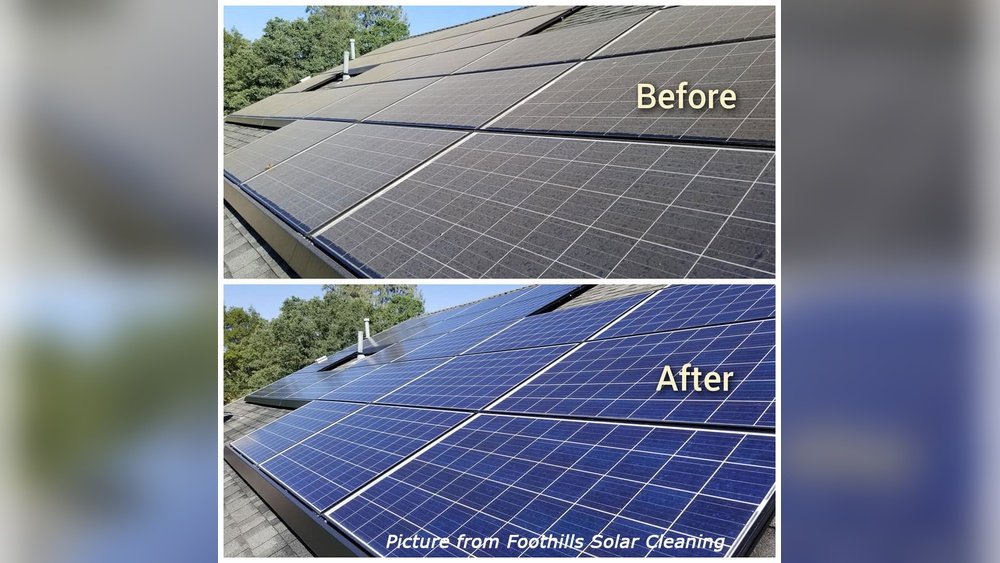
Studies show that dirty panels can lose between 5% and 30% efficiency depending on how dirty they get and where you live. In areas with heavy dust or little rain, losses are higher. In cities, pollution can mix with rain and leave spots. Over time, these add up and your panels make less electricity.
People sometimes think that solar panels don’t need cleaning because they are tilted and rain will wash everything away. While rain helps, it doesn’t always do a perfect job, especially with sticky dirt like bird droppings or thick dust. Also, if you live in a dry area, rain might not come often enough.
Another reason cleanliness matters is that most solar panels are made of many small solar cells connected together. If just a few cells are shaded or covered in dirt, the output of the whole panel can drop. This is because electricity flows in a series, so one blocked cell acts like a traffic jam.
Some newer panels have bypass diodes to help with this, but dirt can still cause a noticeable drop in power.
One more thing people often overlook: dirty panels can get hotter than clean ones. Dust and grime absorb heat, which can raise the temperature of the panels and make them less efficient, especially in summer. This is called the “hot spot” effect. Keeping panels clean helps them stay cooler and produce more power.
What Makes Solar Panels Get Dirty?
Different places have different challenges for keeping solar panels clean. Here are some common causes:
- Dust and Sand: If you live near a desert, farmland, or a construction site, wind can blow dust and sand onto panels. Even a thin layer can reduce sunlight.
For example, in places like California’s Central Valley or the Middle East, dust storms can cover panels quickly. Farmers notice that after plowing or harvesting, more dust lands on their panels.
- Bird Droppings: Birds love to perch on rooftops. Their droppings don’t wash away easily with rain and can block sunlight completely in spots.
Some people install fake owls or small spikes to keep birds away from their solar panels. While these don’t always work perfectly, they can reduce the mess.
- Leaves and Pollen: Trees drop leaves and pollen. These can stick to panels, especially after rain, and sometimes pile up along the edges.
In spring, pollen can form a yellow or green layer. In autumn, falling leaves can cover parts of panels for weeks if not removed.
- Air Pollution: In cities, smoke and soot from cars or factories can settle on panels. This pollution can mix with dew or rain to form sticky grime.
In places like Beijing or Los Angeles, studies have shown that pollution can cut solar output by over 10% during certain times of year.
- Snow and Ice: In colder places, snow and ice can cover panels for days. While this is a different kind of “dirt,” it still blocks sunlight.
Panels with steeper angles usually shed snow faster, but flat roofs may stay covered longer. A small, gentle roof rake can help remove snow, but care is needed to avoid damage.
- Moss and Algae: In humid places, moss and algae can grow at the panel edges or in corners, especially if panels are not tilted much.
This is common in rainy climates, such as the Pacific Northwest in the U. S. or parts of Northern Europe. Once moss or algae take hold, they often need special cleaning.
- Other Debris: Litter, insects, and even seeds can sometimes get stuck on panels, especially after storms.
After strong winds or storms, check your panels for small branches, plastic bags, or even nests.
It’s important to know your local environment. For example, if you live near a busy road, soot may be a bigger problem than dust. If you have a lot of trees, leaves and bird droppings are likely. Understanding these sources helps you plan how often to check and clean.
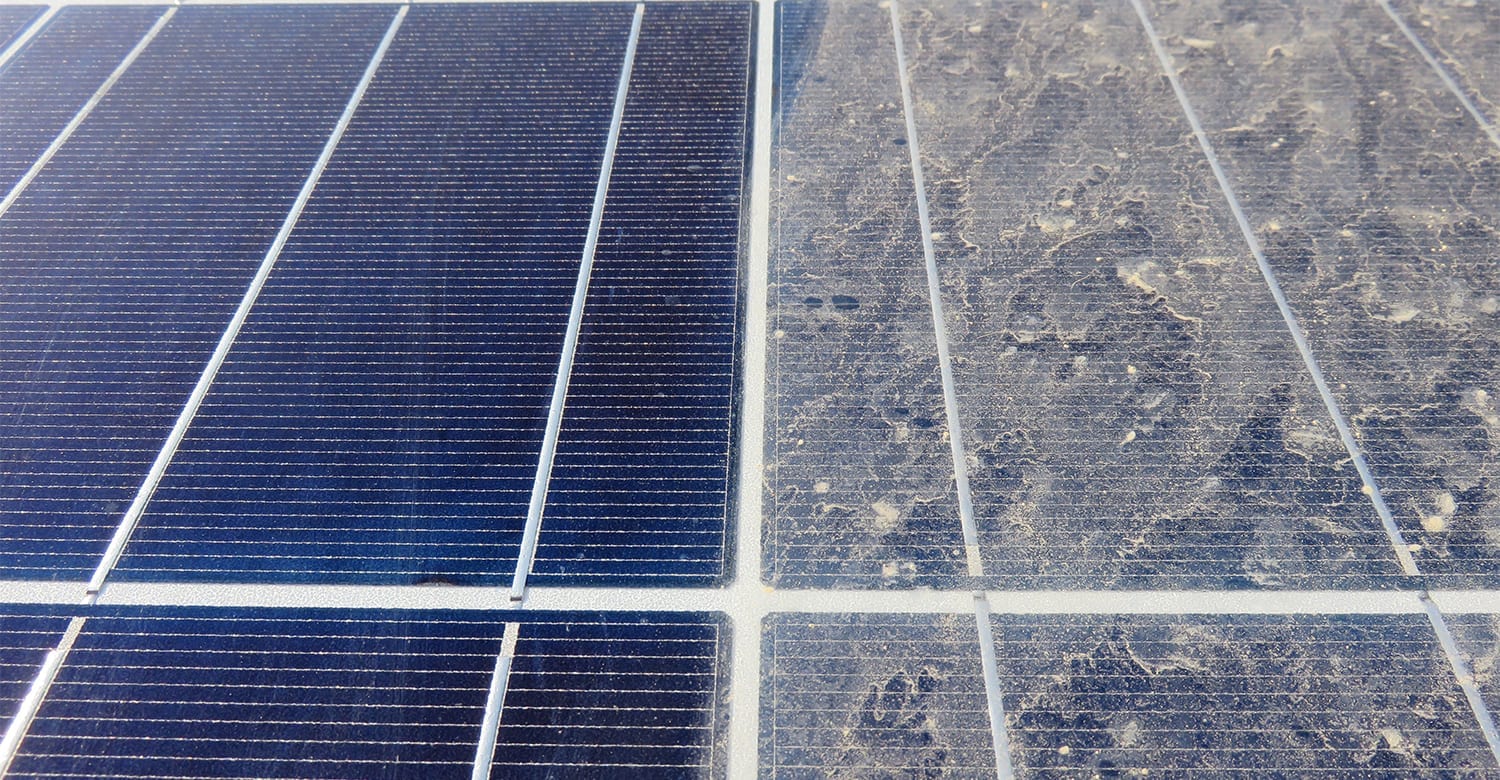
Credit: freedomforever.com
How Much Does Dirt Affect Solar Panel Performance?
The effect of dirt depends on several things: how much dirt there is, the type of dirt, your climate, and how your panels are installed. Research shows that even a light layer of dust can reduce output by 5%, but heavier dirt or bird droppings can cause up to 30% loss or more in bad cases.
Here’s a practical example. If your solar system usually produces 500 kWh per month, a 10% loss means you lose 50 kWh. Over a year, that’s 600 kWh less electricity. If you pay $0. 15 per kWh, you lose $90 a year just because of dirty panels.
But not all dirt is equal. Here’s a quick comparison:
| Type of Dirt | Typical Power Loss | Easy to Wash Away? |
|---|---|---|
| Light dust | 5-10% | Yes, with rain |
| Bird droppings | Up to 30% | No, needs cleaning |
| Leaves/pollen | 5-15% | Sometimes |
| Pollution/soot | 10-20% | No, sticky |
One insight many beginners miss is that even small dirty spots can cause big losses. If just one part of a solar panel is blocked, it can make the whole panel work less efficiently. This is because solar cells are connected in strings, so one weak spot affects all.
Another detail: the loss from dirt is not always obvious day-to-day, especially if you don’t track your power output closely. Over months, the loss adds up. In some cases, homeowners only notice when their electric bill is higher than expected, or when a neighbor’s system produces more power from the same number of panels.
In regions with high humidity, dirt can mix with water and form a thin film that’s hard to see but still blocks sunlight. This “invisible grime” can be almost as bad as obvious dirt, so regular checks are important.
When Should You Clean Solar Panels?
There’s no one-size-fits-all answer. How often you clean depends on:
- Where you live (dusty, city, countryside, etc.)
- Weather patterns (rainy, dry, snowy)
- Angle of your panels (flatter panels collect more dirt)
- Nearby trees or animals
As a rule of thumb:
- In rainy areas, you might only need to check and clean your panels once or twice a year.
- In dry, dusty, or polluted places, you may need to clean every 2-3 months.
- If you see a sudden drop in your solar system’s output, it’s a good idea to check for dirt.
One practical tip: monitor your electricity production. If you have an app or meter that shows how much power you make each day, watch for drops that don’t match weather changes. A sudden fall often means it’s time to clean.
Another smart idea is to set reminders for seasonal checks. For example, after spring pollen season or after harvest on nearby farms, check your panels. In autumn, look for fallen leaves. This habit helps you catch dirt before it becomes a big problem.
If you live near the ocean, salt spray can also build up, especially during windy weather. Panels near the sea may need extra cleaning to prevent salty residue, which can corrode frames if left for too long.
How To Check If Your Solar Panels Need Cleaning
You don’t need special tools to check your panels. Here’s how to do it safely and easily:
- Visual inspection: Look at your panels from the ground if possible. Are they dusty, streaky, or covered in bird droppings? If so, cleaning is a good idea.
- Check your energy output: Compare current output to past weeks or the same time last year. A big drop could mean dirt is the problem.
- After storms or pollen season: Check for leaves, branches, or thick pollen buildup.
- Use a drone or camera: If your roof is hard to reach or very high, some people use a drone or a long selfie stick with a camera.
Safety warning: Never walk on your panels or try to reach them if it’s dangerous. If you need to get on the roof, consider hiring a professional.
Another tip: when checking output, look for patterns. If all panels drop at once, it could be system-wide dirt or weather. If only one panel or string drops, it might be a local dirt patch or even a technical problem. Some monitoring apps let you see panel-by-panel output, which makes spotting issues easier.
If you notice that rain doesn’t seem to wash away the grime, or you see water spots after rain, this means you may need a hands-on cleaning. Hard water can leave mineral spots that block light, so periodic rinsing with distilled or filtered water can help.
How To Clean Solar Panels: Step-by-step Guide
Cleaning solar panels is not complicated, but there are smart and safe ways to do it. Here’s how:
1. Choose The Right Time
The best time to clean panels is early morning or late afternoon. If you clean in the middle of a sunny day, the panels will be hot and water can evaporate quickly, leaving streaks. Cool panels are safer to touch and less likely to crack from sudden temperature changes.
On cloudy days, cleaning is also easier because you won’t be working in direct sunlight. Early morning is ideal, especially if there’s dew on the panels. The dew softens dirt, making it easier to remove.
2. Gather Your Supplies
You don’t need fancy equipment. Most of the time, you’ll need:
- Soft brush or squeegee (with a long handle)
- Bucket of clean water
- Mild dish soap (optional, for sticky dirt)
- Soft cloth or sponge
- Garden hose (if you have one)
Never use harsh chemicals, metal brushes, or high-pressure washers. These can scratch or damage the glass and frames.
If you need to reach high panels, use an extendable pole. There are special solar panel cleaning kits with gentle brushes and squeegees, but a car-washing brush also works well.
3. Remove Loose Debris
Start by gently brushing off any loose leaves, twigs, or thick dust. This prevents scratching when you wash.
Shake or tap the brush gently, so you don’t push debris across the glass. If there are clumps of mud or bird droppings, wet them first and let them soak for a few minutes before wiping.
4. Wash With Water
Use a hose to gently spray water over the panels. Most dirt will wash off. If you don’t have a hose, a bucket and sponge will work too.
If you live in a hard water area, try to use filtered or rainwater for the final rinse. Hard water can leave spots that block sunlight.
5. Clean Sticky Spots
For bird droppings, pollen, or pollution, mix a small amount of mild dish soap in water. Dip your soft cloth or sponge and gently wipe the dirty areas. Don’t scrub hard.
Let stubborn spots soak for a few minutes before wiping. For large messes, repeat the rinse and soak rather than scrubbing.
6. Rinse And Dry
Rinse off any soap with clean water. Let the panels air dry, or use a squeegee for a streak-free finish.
If you want a perfect finish, dry panels with a microfiber cloth or rubber squeegee. This is especially useful if you live in an area with mineral-rich water.
7. Safety Reminders
- Never stand on panels—they can crack.
- Be careful on wet roofs or ladders.
- If your roof is steep, high, or slippery, hire a professional cleaner.
Always have someone with you when using ladders. Even experienced DIYers should take extra care when cleaning on a rooftop.
Should You Hire A Professional Cleaning Service?
Many people wonder if hiring a cleaning service is worth it. Here are some pros and cons.
Pros
- Safety: Professionals have the right gear for high or steep roofs.
- Expertise: They use proper cleaning methods and spot problems.
- Time-saving: You save time and effort.
Professionals can also inspect your panels for signs of damage, loose wires, or wear that you might not notice. They may spot micro-cracks or frame issues early.
Cons
- Cost: Typical cleaning costs $100–$350 per visit, depending on system size and location.
- Not always needed: In many cases, rain and light cleaning are enough.
For most small home systems, hiring a professional once a year is usually enough, unless you live in a very dusty or hard-to-reach area.
When To Consider Professionals
- Your panels are on a very high or steep roof.
- There is heavy buildup of dirt or sticky mess.
- You notice physical damage or wiring issues.
- You have a large array that’s hard to reach.
If you do hire someone, ask about their methods. They should not use high-pressure washers or harsh chemicals.
Also, ask if the service includes a basic system check. Some companies offer a quick inspection of wiring, frames, and mounting, which adds value beyond just cleaning.
Diy Cleaning Vs. Professional Cleaning: A Comparison
Here’s a quick side-by-side look at DIY cleaning and professional cleaning:
| Aspect | DIY Cleaning | Professional Cleaning |
|---|---|---|
| Cost | Minimal (water, soap, tools) | $100–$350 per visit |
| Safety | Risk if roof is high/steep | Professionals are trained |
| Time | 1–2 hours for most homes | Faster for big arrays |
| Quality | Good for light dirt | Better for tough grime |
| Warranty impact | DIY may void warranty if done wrong | Some companies guarantee their work |
Another insight: Some warranties ask for proof of “regular maintenance.” If you clean panels yourself, take before and after photos and keep notes. This can help if you ever need a warranty claim.
Common Mistakes To Avoid
Keeping your solar panels clean is simple, but beginners often make mistakes that can cause damage or waste time. Here are some things to watch out for:
- Using harsh cleaners: Strong chemicals can damage the glass or frames.
- Scrubbing too hard: This can scratch the surface and lower output.
- Using high-pressure washers: Water can get inside the panels and cause electrical problems.
- Cleaning hot panels: Sudden cold water on hot glass can cause cracks.
- Ignoring safety: Many injuries happen from falls, not from the panels themselves.
- Not checking your warranty: Some warranties require professional cleaning or specific methods.
One non-obvious tip: Avoid cleaning during pollen season or dusty winds. Panels may get dirty again right after you finish. Try to wait for a clear, calm day.
Another mistake is forgetting to check for loose wires or broken frames while cleaning. If you see anything unusual, call your installer or a professional for help.
Special Cases: Flat Roofs, Ground-mounted Panels, And Large Systems
Not all solar panels are the same. How and when you clean depends on your setup.
Flat Roofs
Panels on flat roofs collect more dirt because rain doesn’t wash them as well. You may need to clean more often, especially in dry areas.
Check for standing water after rain. Pooled water can leave mineral rings and dirt, which are harder to remove. Adding a slight tilt to panels, if possible, helps water drain off.
Ground-mounted Panels
These are easier to reach, so DIY cleaning is simpler. But they can get splashed with mud or covered with leaves more often.
Watch for weeds, tall grass, or mud splashes after storms. Regular trimming around panels keeps them clean and prevents shading.
Large Systems (solar Farms, Businesses)
Big arrays need a plan. Many companies use special vehicles, robots, or water-saving tools to clean hundreds or thousands of panels at once. If you manage a large system, regular cleaning can make a big difference in profits.
Some farms use robots that run at night or during cloudy days to avoid interrupting power production. Regular checks for broken panels or malfunctioning robots are still important.
.jpg)
Credit: www.solaranalytics.com.au
Does Rain Clean Solar Panels Well Enough?
Many people hope that rain will do all the work. It does help, but it’s not perfect. Here’s why:
- Rain can wash away loose dirt, but not sticky grime, bird droppings, or pollution.
- In areas with air pollution, rain can actually leave behind mineral spots and thin films.
- Flatter panels don’t drain water as well, so dirt can build up along the edges.
A study from the National Renewable Energy Laboratory found that rain cleaned most panels well in some regions, but not in areas with lots of dust or pollution. The takeaway: rain helps, but doesn’t replace regular checks and occasional cleaning.
After long dry spells, the first rain can actually make panels dirtier by moving dust into clumps or leaving streaks. A light rinse with a hose can help prevent this.
How Often Should Solar Panels Be Cleaned?
There is no strict rule, but here are general guidelines:
- Every 6–12 months in most climates
- Every 2–4 months in dusty, dry, or polluted areas
- After big storms, pollen season, or wildfires
- Whenever you notice a drop in power output
Some manufacturers suggest cleaning once a year to keep warranties valid. Always check your system’s manual.
A helpful practice: mark your calendar for spring and fall cleaning. These times fit well with weather changes and let you keep panels in top shape.
If you live in a wildfire-prone area, ash can cover panels quickly. Clean as soon as it’s safe after fires, because ash can be sticky and hard to remove after rain.

Credit: coldwellenergy.com
What About Self-cleaning Or Coated Panels?
Some new solar panels have self-cleaning coatings or are marketed as “maintenance free.” These coatings are designed to make water run off more easily, taking dust with it. They help, but are not magic. Sticky things like bird droppings or thick grime will still need a proper cleaning.
Self-cleaning panels can reduce the number of cleanings needed, but you should still check them regularly.
These coatings can wear off over time, especially in harsh weather. If your panels are a few years old, don’t assume the coating is still working perfectly. A quick rinse now and then keeps them in top shape.
Does Cleaning Solar Panels Pay Off Financially?
Many homeowners ask if the cost and effort of cleaning is worth it. Here’s how to think about it:
- If your panels are only a little dirty, the power loss is small. But in very dusty places, cleaning can recover hundreds of dollars of lost electricity per year.
- For most homes, cleaning once or twice a year is enough to keep losses below 5–10%.
- If you notice a big drop in output, cleaning usually pays off quickly.
One smart approach: Track your energy production before and after cleaning. If you see a 10% jump, you know it worked!
Here’s an example calculation:
| Situation | Annual Power Loss | Annual Cost (at $0.15/kWh) | Cleaning Cost | Net Gain/Loss |
|---|---|---|---|---|
| Panels lose 10% output | 600 kWh | $90 | $100 (pro cleaner) | -$10 |
| Panels lose 20% output | 1200 kWh | $180 | $100 (pro cleaner) | +$80 |
| DIY cleaning | Same as above | Same as above | $10 (tools, water) | +$80 to +$170 |
As you can see, cleaning is more valuable in very dirty places or if you do it yourself.
Another insight: If you rent out your property, regular cleaning can help you keep energy bills low and avoid complaints from tenants.
Special Situations: Snow, Ice, And Extreme Weather
Solar panels also face challenges from snow and ice. Here’s what to know:
- Snow blocks sunlight, but usually slides off tilted panels as it melts.
- Don’t try to chip ice or snow off panels with sharp tools—you can scratch or break them.
- In most cases, waiting for sun or a warm day is best.
- For heavy, wet snow, a soft roof rake can help, but be gentle.
After storms, always check for debris, branches, or damage before cleaning.
If you live in an area with hail or strong winds, inspect your panels after every storm. Even small cracks can let in water and cause long-term problems.
For extreme weather, some people install snow guards or wind barriers around panels. These extra steps can protect your investment and make cleaning easier.
Myths And Misconceptions About Cleaning Solar Panels
There are many myths about solar panel cleaning. Let’s clear up a few:
- “Rain cleans panels perfectly.” Not true in many places. Rain helps, but sticky dirt stays.
- “Panels don’t need any maintenance.” All outdoor equipment needs some care.
- “Cleaning voids the warranty.” Only if you use the wrong methods or chemicals. Always follow manufacturer advice.
- “Dirty panels can catch fire.” Not likely. Dirt lowers power, but does not cause fires.
- “You need to clean panels every month.” Only in very dusty or polluted areas.
Another myth: Some people think cleaning panels will double their output. While cleaning helps, the actual gain depends on how dirty the panels were. For lightly soiled panels, gains are usually 5–10%.
Innovations In Solar Panel Cleaning
Technology is making solar panel cleaning easier. Some new solutions include:
- Robotic cleaners: Used on large solar farms, robots can clean hundreds of panels without water.
- Water-saving brushes: Tools that use less water but still clean well.
- Hydrophobic coatings: Special glass that sheds water and dirt more easily.
- Remote monitoring: Systems that alert you when output drops, so you know when cleaning is needed.
For homeowners, a simple brush and hose still work best. But these new tools are changing how large solar systems are maintained.
Some companies are also testing “dry ice cleaning,” which removes dirt without water or chemicals. These high-tech methods are not common for home systems yet, but may become more popular in the future.
Environmental Impact Of Cleaning Solar Panels
Some people worry that cleaning solar panels uses too much water or chemicals. In most cases, a few buckets of water or a garden hose is enough for a typical home’s system. If you clean with just water and a soft brush, there is no pollution.
Professional services sometimes use more water, but many now recycle water or use eco-friendly methods. If you hire a service, ask what products they use.
In dry areas, try to use rainwater or recycled water if possible. Solar panels help the planet most when cared for responsibly.
One more tip: Avoid using soapy water if you live near a garden or pond, as runoff can affect plants or fish. Stick with plain water unless you need to remove stubborn grime.
What The Experts Say
Most solar experts agree: keeping panels clean improves performance, but you don’t need to overdo it. The right balance depends on your climate, the amount of dirt, and your system’s design.
The U.S. Department of Energy and many panel manufacturers recommend checking panels at least once a year and cleaning as needed. In dusty or dry places, cleaning more often can make a big difference.
Some experts suggest making solar panel cleaning part of your regular home maintenance, like checking gutters or trimming trees. This habit keeps your system working well for years.
For more detailed studies, check out this summary from the Wikipedia: Solar Panel page.
Practical Tips For Maximum Solar Panel Efficiency
To keep your solar panels working their best:
- Check them every few months for dirt or debris.
- Clean gently with water and a soft brush or cloth.
- Schedule cleaning after pollen season, dust storms, or if you notice lower output.
- Never use harsh chemicals or metal tools.
- Track your power production to spot problems early.
- If you have doubts or a risky roof, call a professional.
One extra insight: Trim trees near your panels. Not only do leaves and shade lower power, but birds are less likely to perch and make a mess.
Also, consider installing a bird deterrent or mesh around your panels if you have a major problem with nests or droppings. This small investment can save a lot of cleaning work.
Frequently Asked Questions
What Happens If I Never Clean My Solar Panels?
If you never clean your panels, dirt and debris will build up over time. This can lower your energy production by 10–30% or more, depending on where you live. In very dusty or polluted areas, the loss could be even higher.
You may pay more for electricity from the grid and lose some of the savings your system was designed to give you.
If you let dirt build up for years, it can also cause “etching” or permanent marks on the glass, which can’t be cleaned away. Regular cleaning keeps your panels looking and working like new.
Can I Use Soap Or Cleaning Products On Solar Panels?
Mild dish soap is safe for removing sticky dirt, but avoid strong chemicals, bleach, or abrasive cleaners. These can damage the glass or the frames. Always rinse panels well with clean water after using any soap to avoid streaks or residue.
If you have hard water or mineral buildup, use distilled water for the final rinse to prevent spots.
Will Cleaning My Panels Void The Warranty?
Most warranties allow cleaning if you follow the manufacturer’s instructions. Damage from harsh chemicals, high-pressure washers, or walking on panels can void the warranty. Always check your manual and consider hiring a professional if you are unsure.
Keep a record of cleaning dates and methods—this can help if you ever need to make a warranty claim.
How Do I Know If My Solar Panels Need Cleaning?
The best way is to look for visible dirt, dust, or bird droppings and to watch for drops in energy output. If your electricity production falls for no clear reason, check your panels. Comparing your system’s output to past weeks or years is a good habit.
Some smart inverters or monitoring apps will alert you if output drops suddenly—these tools can make it easier to keep panels clean.
Is There A Best Time Of Year To Clean Solar Panels?
Yes. The best times are after pollen season, dust storms, or long dry periods. Cleaning in early spring and late summer works well in many areas. Avoid cleaning on hot, sunny days to prevent streaks or cracks.
If you live in a place with heavy autumn leaves, a quick clean before winter helps prevent thick buildup. In snowy areas, a spring cleaning removes any grime left by melting snow.
Keeping your solar panels clean is not hard, but it makes a real difference. With regular checks and gentle cleaning, you’ll get the most from your investment for years to come.