Are you wondering if you can safely use a solar generator inside your home? It’s a smart question.
After all, having a reliable power source indoors can be a game-changer during emergencies or power outages. But is it really safe and practical? You’ll discover the key facts about using solar generators indoors, how to avoid common risks, and what you need to know to make the best choice for your home.
Keep reading to get clear answers and tips that could protect you and your family.

Credit: vtoman.com
Solar Generators Basics
Solar generators provide clean and quiet power. They are useful for camping, emergencies, and home backup. Understanding their basics helps you decide if they suit your needs. Let’s explore how they work and the types available.
How Solar Generators Work
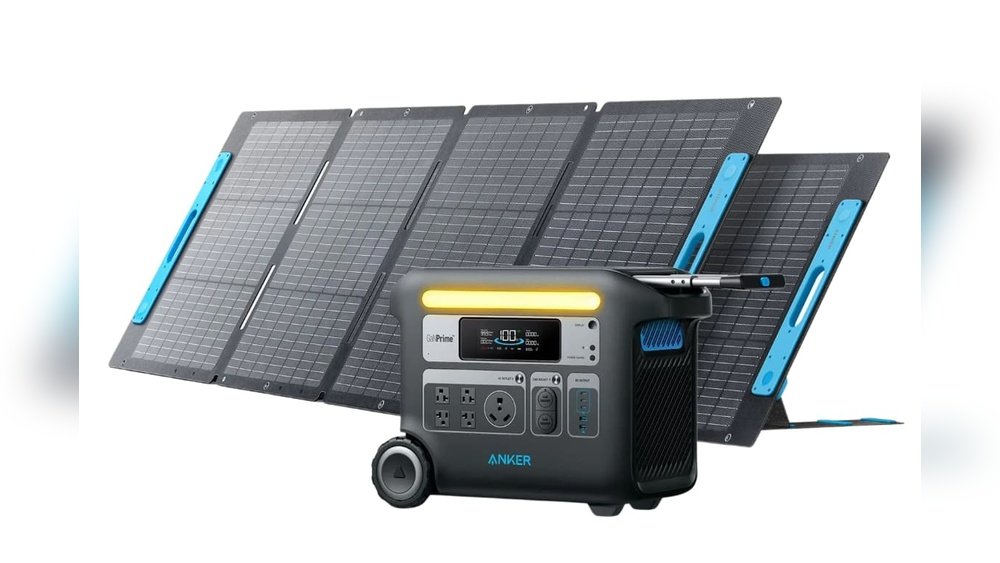
Solar generators collect energy from the sun using solar panels. The panels convert sunlight into electricity. This electricity charges a built-in battery inside the generator. The battery stores energy for later use.
The generator has an inverter that changes stored energy from DC to AC power. This AC power runs your devices and appliances. Solar generators work silently and do not produce fumes.
Types Of Solar Generators
There are mainly two types of solar generators. Portable solar generators are small and easy to carry. They work well for outdoor activities and small devices.
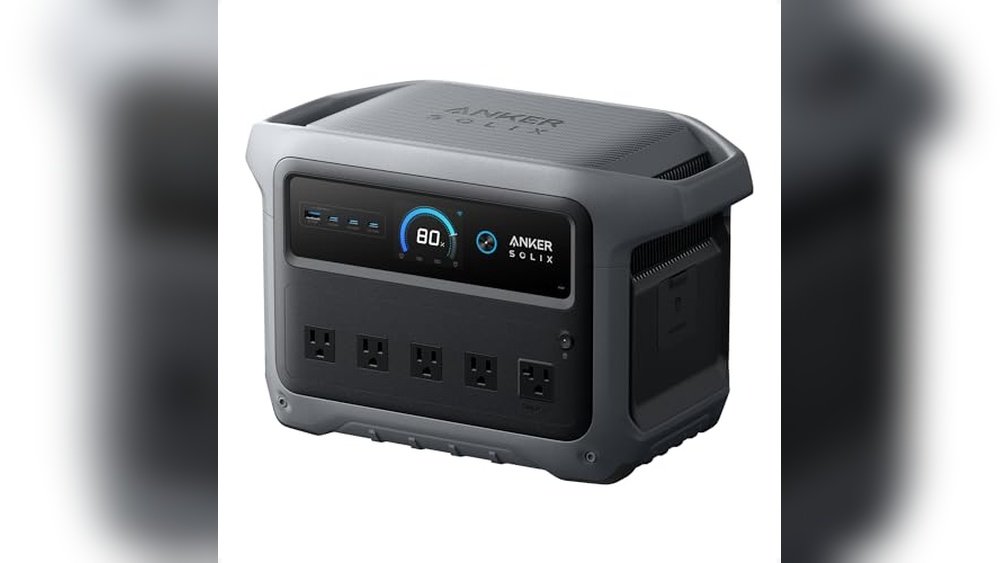
Home solar generators are larger and provide more power. These are good for backup during power outages. They can run bigger appliances and last longer.
Choosing the right type depends on your power needs and usage.
Indoor Use Considerations
Using a solar generator indoors requires careful thought. It is not the same as using it outside. Several factors must be checked before setting one up inside your home. These include air flow, sound, and safety risks. Understanding these points helps keep everyone safe and comfortable.
Ventilation Needs
Solar generators usually do not produce harmful gases. They run on batteries charged by sunlight. Still, good air flow is important. It helps to keep the generator cool. Overheating can cause damage or reduce its life. Place the generator in a well-ventilated room. Avoid small, closed spaces without windows or fans.
Noise Levels
Solar generators make less noise than gas models. But some noise can still be heard. The sound comes from fans and electrical parts. Noise levels vary by model and size. Check the decibel rating before buying. Place the generator away from bedrooms or quiet areas. This reduces disturbance while you rest or work.
Emission Risks
Solar generators do not burn fuel. They do not produce smoke or fumes. This makes them safer indoors than gas generators. Still, check the battery for leaks or damage. Faulty batteries can release harmful chemicals. Always follow the manufacturer’s safety instructions. Keep the generator dry and away from heat sources.
Safety Tips For Indoor Use
Using a solar generator indoors requires careful attention to safety. Proper use helps prevent accidents and keeps your home safe. Follow these simple safety tips to ensure smooth indoor operation.
Proper Placement
Place the solar generator in a dry, well-ventilated area. Avoid locations near water sources or heat. Keep it away from flammable materials. Ensure air can flow around the unit to prevent overheating.
Avoiding Overload
Check the generator’s power limit before plugging in devices. Do not exceed its maximum output. Plug in only essential appliances to avoid overload. Overloading can cause damage or shut down the unit.
Regular Maintenance
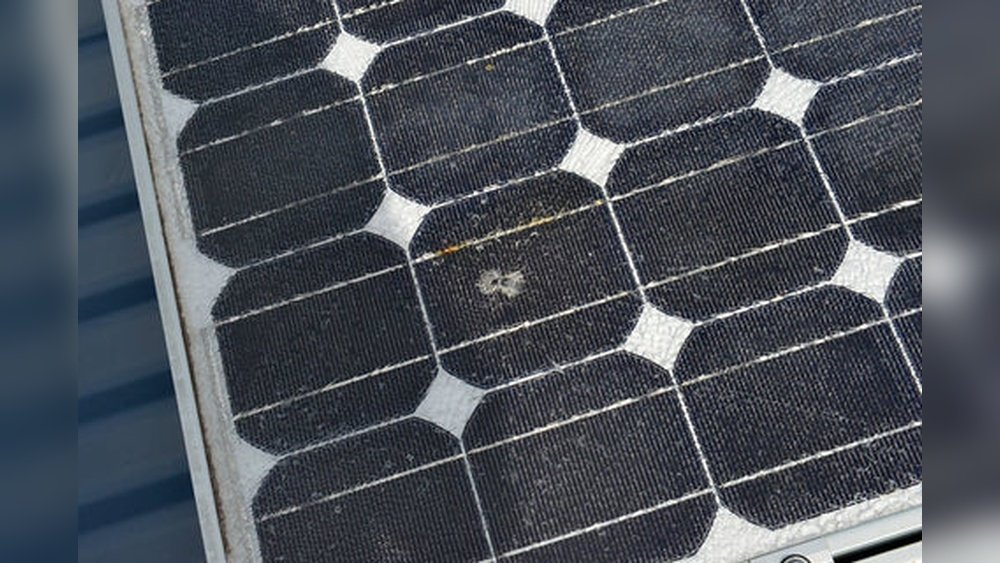
Clean the solar generator regularly to remove dust and dirt. Inspect cables and connectors for wear or damage. Test the battery performance every few months. Proper maintenance extends the life of your generator.
Smart Usage Practices
Using a solar generator indoors needs care and smart habits. These steps help keep your generator safe and working well. Follow these tips for the best indoor use.
Energy Efficiency Tips
Use only devices that need power to save energy. Turn off gadgets when not in use. Choose LED lights to reduce power use. Avoid running many high-power tools at the same time.
Battery Care
Keep the battery charged but avoid overcharging. Store the generator in a cool, dry place. Check the battery regularly for any damage. Use the generator often to keep the battery healthy.
Monitoring Power Output
Watch the display to see how much power you use. Stop using devices if the power is low. Use a power meter for precise readings. Keeping track prevents overloading and extends battery life.
Common Mistakes To Avoid
Using a solar generator indoors can be safe and effective if done right. Many people make simple mistakes that cause problems or damage. Avoiding these errors ensures your solar generator works well and lasts longer. Below are common mistakes to avoid for safe indoor use.
Ignoring Manufacturer Guidelines
Every solar generator comes with specific rules. These guidelines explain safe use and maintenance. Ignoring them can lead to accidents or equipment failure. Always read and follow the manual carefully. Use the generator only as the manufacturer suggests.
Improper Storage
Storing a solar generator incorrectly harms its battery and parts. Keep it in a cool, dry place away from extreme heat or cold. Avoid places with high humidity or direct sunlight. Proper storage keeps the generator ready to use and extends its life.
Using Damaged Equipment
Damaged cables or parts can cause short circuits or fires. Check the generator and accessories before use. Do not use broken or frayed wires. Replace damaged items immediately to keep the setup safe and reliable.
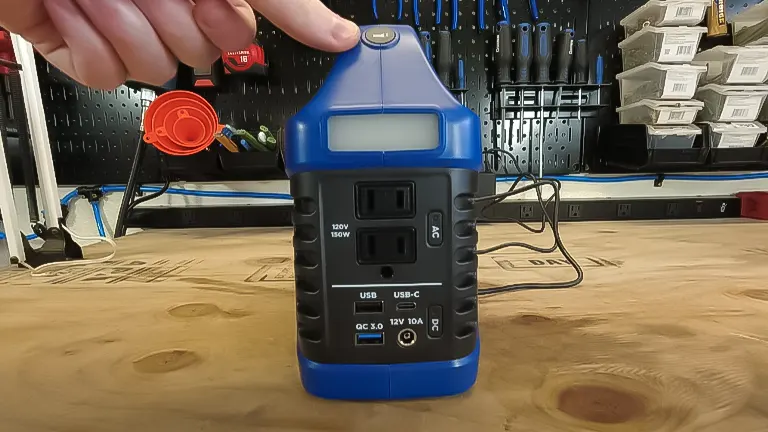
Credit: www.elitsangar.se
Alternative Indoor Power Solutions
Finding safe and reliable power solutions for indoor use is important. Some devices suit indoor use better than solar generators. These alternatives provide clean energy without harmful fumes or noise. They fit well in homes, offices, and small spaces.
Portable Battery Packs
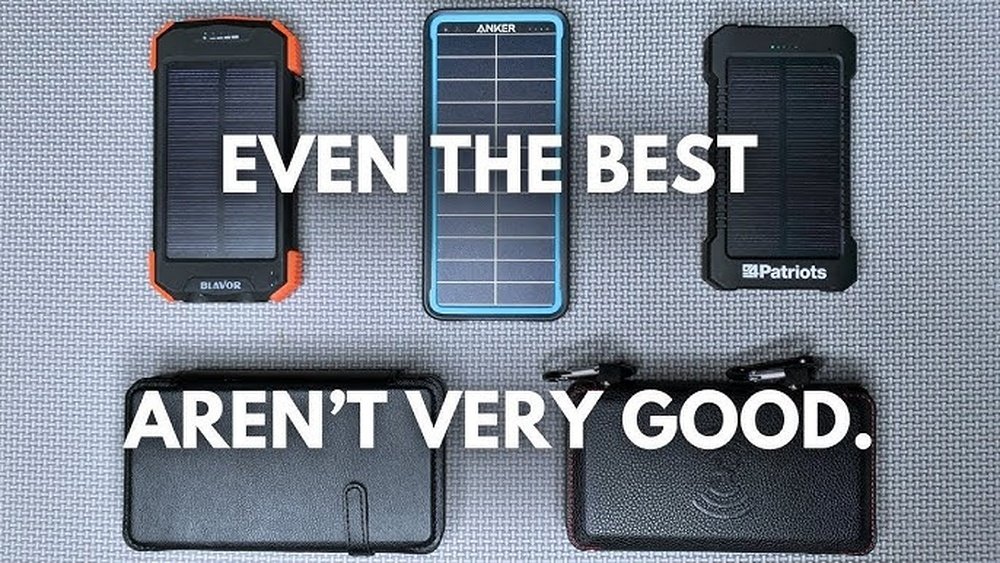
Portable battery packs store electricity for use anywhere. They charge from a wall outlet or solar panel outdoors. These packs are quiet and safe inside. They power phones, laptops, and small appliances. Compact designs make them easy to carry. Battery packs offer quick, clean power without gas or fumes.
Uninterruptible Power Supplies
Uninterruptible Power Supplies (UPS) protect devices from power loss. They provide instant backup power during outages. UPS units connect directly to electronics. They run quietly and produce no emissions. These systems help keep computers and routers working. UPS is ideal for short-term indoor power needs.
Grid-tied Systems
Grid-tied systems link solar panels to the electric grid. They feed extra power back to the utility company. Homes still use grid electricity when solar power is low. These setups need professional installation and permits. Grid-tied systems reduce electric bills and support clean energy. They work safely indoors with no noise or fumes.

Credit: www.jackery.com
Frequently Asked Questions
Can Solar Generators Be Safely Used Indoors?
Yes, solar generators are safe indoors. They produce no harmful fumes and operate quietly. Always ensure proper ventilation and follow manufacturer guidelines for safe use.
Do Solar Generators Require Ventilation Indoors?
Solar generators do not emit gases, so ventilation is not mandatory. However, keeping the area ventilated helps maintain optimal device performance and safety.
What Are The Benefits Of Using Solar Generators Indoors?
Indoor solar generators provide clean, quiet power without emissions. They are ideal for emergencies, camping, or backup power without noise or fumes.
Can Solar Generators Power Household Appliances Indoors?
Yes, solar generators can power small to medium household appliances indoors. Check the generator’s capacity to match your appliance power needs.
Conclusion
Solar generators can work indoors with proper care and safety. They do not produce harmful fumes like gas generators. Still, keep them in a well-ventilated space to avoid heat buildup. Choose the right size for your power needs. Always follow the manufacturer’s instructions for safe use.
Solar power offers a quiet and clean energy option inside your home. Consider your space and energy needs before using one indoors. With the right precautions, solar generators can be a helpful indoor power source.