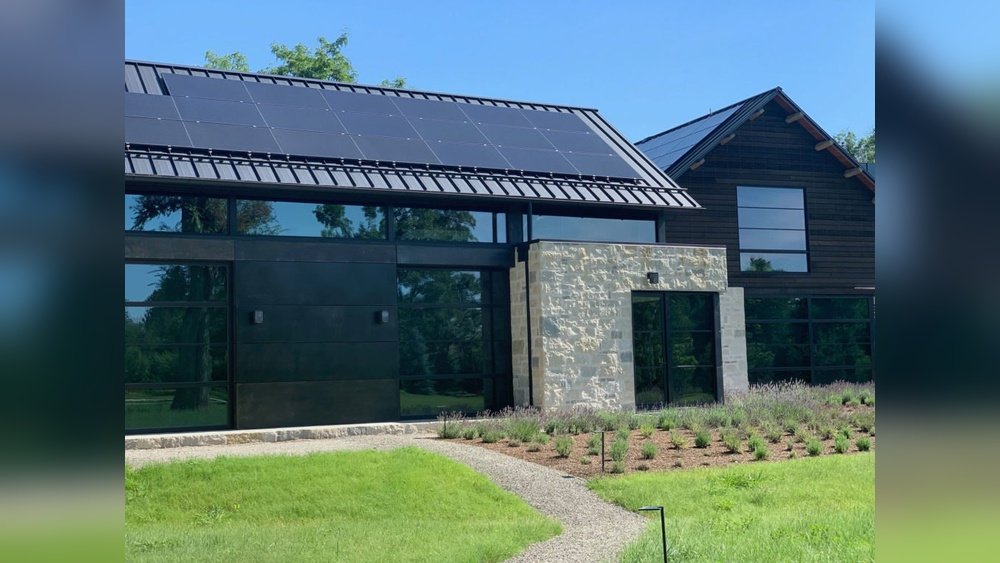
Can You Put Solar Panels On A Metal Roof
Switching to solar energy is becoming a popular choice for homeowners and businesses alike. As energy costs rise and environmental awareness grows, many people want to know if their homes are suitable for solar panels. If you have a metal roof, you might be wondering if it’s a good match for solar technology.
Can you put solar panels on a metal roof? The answer is yes—and in many cases, it’s actually one of the best combinations available. But before you start, it’s important to understand the details, benefits, challenges, installation methods, and common mistakes that can affect your solar journey.
This article will give you a complete guide to installing solar panels on a metal roof. You’ll learn about the types of metal roofs, how solar panels are attached, what to consider before starting, and practical tips for a successful project.
We’ll clear up common myths and offer insights that go beyond the basics, so you can make the right decision for your home or business.
Why Metal Roofs Are Ideal For Solar Panels
Many people believe that only traditional asphalt shingle roofs are good for solar panels. In reality, metal roofs often provide an even better foundation for solar installations.
Longevity And Durability
One of the main reasons metal roofs are great for solar panels is their long lifespan. While asphalt roofs usually last 15–20 years, metal roofs can last 40–70 years or even longer with proper care. Solar panels have a typical lifespan of 25–30 years. If you install panels on an older asphalt roof, you may need to remove them when it’s time to replace the roof. With a metal roof, your panels and roof will likely last together, reducing future costs and hassle.
Strength And Weather Resistance
Metal roofs are known for their strength. They can handle heavy snow, strong winds, and even hail better than many other roofing materials. This means your solar panels will be well-supported and less likely to suffer damage from storms or extreme weather.
Easy Installation Options
Many metal roofs—especially standing seam designs—allow for simple, non-penetrating mounting systems. This can mean less risk of leaks, faster installation, and lower costs. We’ll look at these methods in detail later.
Energy Efficiency
Metal roofs reflect sunlight better than dark asphalt shingles, which helps keep your building cooler. When combined with solar panels that absorb sunlight to make electricity, this can greatly reduce your overall energy use and bills.
Sustainability
Both metal roofs and solar panels are environmentally friendly. Most metal roofing contains recycled materials and can be recycled again at the end of its life. Pairing this with solar panels makes your home or business even greener.
Types Of Metal Roofs And How They Affect Solar Panel Installation
Not all metal roofs are the same. The style and shape of your roof will impact how solar panels are attached and how the system performs.
Standing Seam Metal Roofs
Standing seam roofs are the most popular choice for solar installations. These roofs have long, flat panels joined by raised seams (ridges). The seams are usually spaced evenly apart and run vertically from the top (ridge) to the bottom (eave) of the roof.
Key Benefits:
- No roof penetrations needed: Special clamps grip onto the seams, so installers don’t need to drill holes. This reduces the risk of leaks.
- Faster installation: The process is quicker and usually costs less because there’s less labor and fewer materials.
- Strong support: The seams are sturdy and can hold the solar panel mounts securely.
Corrugated Metal Roofs
Corrugated roofs have a wavy or ribbed appearance. They are common on barns, warehouses, and some homes. Attaching solar panels to a corrugated roof is possible but requires a different approach.
Considerations:
- Penetration mounts: Installers use special brackets that match the shape of the waves. These brackets are screwed into the high points of the corrugation, with rubber gaskets to prevent leaks.
- More planning needed: The installer must ensure water-tightness and correct placement to avoid damaging the roof.
Metal Tile Roofs
Some metal roofs are shaped to look like traditional tiles or shingles. These are less common but can still work for solar panels.
Installation:
- Custom mounts: Installers use adjustable brackets designed for tile-shaped metal panels. These mounts often penetrate the roof, so extra care is needed to seal around the attachment points.
- Visual appeal: Solar panels can blend well with these roofs if designed carefully.
Flat Metal Roofs
While not as common on homes, some commercial buildings use flat metal roofs. Solar panels can be installed with special tilt frames to improve energy production.
Tips:
- Ballasted mounts: Sometimes, heavy weights (ballasts) are used instead of roof penetrations.
- Drainage: The installer should check that the roof drains properly and that the panels will not block water flow.
How Solar Panels Are Mounted On Metal Roofs
The method for mounting solar panels depends on your specific roof type. Here’s a closer look at common attachment systems.
Standing Seam Clamps
For standing seam roofs, S-5 clamps and other similar products are used. These clamps grip the seam tightly without making holes in the metal. The solar racking system is then attached to the clamps, and the panels are mounted on top.
Advantages:
- No leaks: Because no holes are drilled, there’s little risk of water getting in.
- Easy removal: If you ever need to remove or move the panels, the process is simple.
Penetrating Mounts With Sealing Gaskets
Corrugated and tile-style metal roofs often require penetrating mounts. These are screwed into the roof structure through the metal panel. High-quality gaskets or sealants are used to keep water out.
Important Points:
- Proper sealing: The installer must use the right type of gasket and check for tightness.
- Regular checks: Over time, it’s wise to inspect these points for signs of leaks.
Rail-less Mounting Systems
Some modern solar systems use rail-less technology, especially on standing seam roofs. Instead of long rails running across the roof, the panels attach directly to the clamps or brackets. This reduces material use and can make the installation look neater.
Tilt Frames For Flat Roofs
On flat metal roofs, solar panels should be tilted toward the sun for best efficiency. Special frames lift the panels at an angle. These can be attached using penetrations or, in some cases, ballasted with weights.
Key Factors To Consider Before Installing Solar Panels On A Metal Roof
Before you start a solar project, it’s important to think about the following factors to make sure you get the best results.
Roof Condition And Age
Even though metal roofs last a long time, you should check their current condition before installing solar panels. Look for:
- Rust or corrosion
- Loose panels
- Damaged seams or fasteners
If your roof is older but still in good shape, solar panels can actually protect it from weather and extend its life. However, if repairs are needed, do them before installing solar.
Roof Orientation And Angle
The direction your roof faces and its slope (pitch) will affect how much sunlight your panels get.
- South-facing roofs are best in the northern hemisphere.
- The ideal pitch for solar panels is usually between 15–40 degrees.
- If your roof is too steep or too flat, installers can use mounting systems to adjust the angle.
Shading And Obstructions
Trees, chimneys, vents, or nearby buildings can cast shadows on your roof, which reduces solar output. Check for shading at different times of day and throughout the year.
Local Climate And Weather
Metal roofs are good for all climates, but snow, hail, and heavy rain can impact solar performance and installation. In snowy areas, panels should be angled to help snow slide off.
Building Codes And Permits
Always check local building codes and permit requirements. Some areas have rules about roof penetrations, wind resistance, or fire safety that may affect your project.
Weight Load
Metal roofs are usually strong enough for solar panels, but it’s still wise to have a structural engineer check the load capacity, especially for older buildings.
Insurance And Warranties
Adding solar panels can change your homeowner’s insurance policy. Contact your insurance company to make sure you’re covered. Check the warranties on both your roof and the solar system—some companies offer special warranties for combined installations.
Installer Experience
Choose an installer who has experience with both solar and metal roofs. The methods and tools are different from installing on shingles, so expertise matters.
The Solar Panel Installation Process On Metal Roofs
Understanding the installation steps can help you prepare for the project and avoid surprises.
1. Site Assessment And Design
The installer will inspect your roof, measure its size, check for obstacles, and study the sun’s path. They’ll design a system that fits your needs and local rules.
2. Engineering And Permitting
Before work begins, plans are submitted to your city or county for approval. This may include structural calculations and electrical diagrams.
3. Roof Preparation
The team will clean the roof and fix any small issues. For standing seam roofs, they’ll check that the seams are strong and undamaged.
4. Mounting The System
Installers attach the clamps, brackets, or rails according to the roof type. For penetrations, they use special tools and sealants to prevent leaks.
5. Placing The Solar Panels
Solar panels are attached to the racking system. The panels are wired together and connected to the inverter, which changes the solar electricity into power your home can use.
6. Connecting To The Grid
After the system is complete, a city inspector will check the work. Once approved, the utility company connects your system to the grid, and you start making your own power.
7. Final Inspection And Monitoring
A good installer will show you how to use the monitoring system and answer your questions. They may offer a final walkthrough to check everything.
Advantages Of Installing Solar Panels On A Metal Roof
There are several clear benefits to this combination.
Extended Lifespan
Because both solar panels and metal roofs last for decades, you can enjoy clean energy without worrying about replacing your roof in the middle of the panels’ life.
Lower Risk Of Leaks
Standing seam roofs let you mount panels without drilling holes, which is a big plus for leak prevention.
Energy Savings
Metal roofs reflect heat, and solar panels block the sun from hitting the roof directly. This means your building stays cooler in summer, saving you money on air conditioning.
Higher Home Value
Homes with solar panels and durable metal roofs are attractive to buyers. Studies show that solar panels can increase home values by 4–8% or more.
Environmental Impact
Both systems are eco-friendly. You reduce your carbon footprint and support a sustainable lifestyle.
Common Challenges And How To Overcome Them
While metal roofs and solar panels are a strong match, there are some challenges to consider.
Roof Penetrations (on Corrugated Or Tile Roofs)
Penetrations can cause leaks if not done properly. Always use a qualified installer and high-quality sealing products. Schedule regular inspections to catch small issues early.
Lightning Protection
Metal roofs do not attract lightning more than other materials. However, solar panels do add more metal to your roof. Consider adding a lightning protection system, especially in areas with frequent storms.
Panel Placement
Metal roofs often have seams, fasteners, or patterns that affect where panels can go. A skilled installer will design a layout that avoids obstacles and maximizes sunlight.
Noise
Some people worry that metal roofs are noisy, especially during rain. Solar panels actually help dampen sound by adding an extra layer.
Snow Shedding
Metal roofs shed snow easily, which is good for preventing buildup. However, falling snow and ice can slide off suddenly. Install snow guards or stops above walkways to protect people and property.
Visual Appearance
Not everyone likes the look of solar panels. Modern installation methods can make the system look neat and less visible from the ground. Black-framed panels and edge trim can help blend the panels with the roof.
Cost Comparison: Metal Roofs Vs. Other Roof Types For Solar
Is it more expensive to put solar panels on a metal roof? The answer depends on the roof style and mounting method.
Here’s a comparison of typical installation costs by roof type:
| Roof Type | Mounting Method | Average Cost (per watt) | Notes |
|---|---|---|---|
| Standing Seam Metal | Clamp-on (no penetrations) | $2.50 – $3.20 | Lower labor cost, fast installation |
| Corrugated Metal | Bracket with penetration | $2.70 – $3.40 | More labor, sealing required |
| Asphalt Shingle | Flashed mounts (penetration) | $2.60 – $3.30 | Most common, mid-range price |
| Tile (Clay/Concrete) | Custom mounts, more labor | $2.90 – $3.60 | Extra work, higher risk of breakage |
| Flat Metal | Tilt frame or ballast | $2.60 – $3.50 | Needs careful drainage design |
As you can see, standing seam metal roofs are often the most cost-effective, thanks to the simple clamp-on method.
Mistakes To Avoid When Installing Solar Panels On A Metal Roof
Even a strong roof and good panels can have problems if installed wrong. Here are common mistakes and how to avoid them.
1. Choosing The Wrong Mounting System
Don’t use mounts designed for asphalt or tile roofs on metal. Always pick a system made for your roof’s exact type and shape.
2. Ignoring Roof Condition
Never cover up rust, loose seams, or weak spots with solar panels. Fix the roof first to avoid expensive repairs later.
3. Poor Sealing Of Penetrations
If your roof requires penetrations, make sure installers use the right gaskets and check each one for leaks.
4. Not Checking Load Capacity
Even though metal roofs are strong, always check with a structural engineer—especially for older buildings or large solar systems.
5. Skipping Permits Or Inspections
Unpermitted installations can cause problems with insurance, resale, or even fines. Always follow local rules and get inspections.
6. Not Planning For Snow Shedding
In snowy areas, failing to add snow guards can lead to property damage or injury. Plan for snow safety at the design stage.
7. Poor Wire Management
Solar wires should be secured and protected from sharp metal edges to prevent damage. Use approved clips and conduits.
8. Not Considering Future Roof Work
Think about future roof maintenance. Standing seam clamps are easy to remove, but penetrations make it harder to replace panels or repair the roof.
9. Hiring Inexperienced Installers
Experience matters. Ask for references and proof of past metal roof solar projects before hiring an installer.
10. Overlooking Warranties
Check if the solar installation will affect your roof warranty. Some metal roofing companies offer special warranties for solar-ready roofs.
Real-world Examples: Solar On Metal Roofs
Hearing from people who have actually installed solar on metal roofs can be helpful.
Example 1: Residential Standing Seam Roof
A family in Colorado installed a 7kW solar system on their new standing seam metal roof. The installation used clamp-on mounts, with no penetrations. The project took 2 days and cost about 10% less than a similar system on their neighbor’s asphalt roof.
After two winters, there were no leaks or maintenance issues.
Example 2: Corrugated Roof On A Farm
A dairy farm in Wisconsin installed a 25kW system on a corrugated metal barn. The installer used special brackets with rubber gaskets. After three years, one bracket needed resealing, but the rest performed well. The panels helped keep the barn cooler in summer.
Example 3: Commercial Flat Metal Roof
A warehouse in Texas used a flat metal roof for a 50kW solar system. Tilt frames were ballasted with concrete blocks. The system passed all inspections, and the building owner saw a 40% drop in electricity costs.
These examples show that with the right planning, solar panels work well on many types of metal roofs.
Solar Panel Types Best Suited For Metal Roofs
While most solar panels can be installed on metal roofs, some types are especially well-matched.
Monocrystalline Panels
These are the most efficient and popular panels. They are a good choice for metal roofs because you can get more power from a smaller area.
Polycrystalline Panels
A bit less efficient but cheaper. Suitable for large metal roofs where space is not a problem.
Thin-film Solar Panels
Thin-film panels are flexible and lightweight. Some types can be glued directly to the metal roof, which means no holes or clamps. However, they are less efficient and work best in special cases, like curved roofs or where traditional panels won’t fit.
Bifacial Panels
These panels can produce power from sunlight hitting the front and reflected light from the back. On a reflective metal roof, bifacial panels may produce extra energy.
Maintenance Tips For Solar Panels On Metal Roofs
Solar panels need little maintenance, but there are a few extra tips for metal roofs.
Regular Inspections
Check the panels, mounts, and roof at least once a year. Look for:
- Loose clamps or brackets
- Signs of water leaks around penetrations
- Corrosion or rust under the panels
Cleaning
Panels should be kept clean for best performance. Rinse with water or use a soft brush to remove dust, bird droppings, or pollen. Avoid harsh chemicals that can damage the roof.
Snow And Debris Removal
In snowy climates, clear heavy snow if it blocks the panels for long periods. Use a soft tool and never chip at ice, which can damage the roof or panels.
Monitoring System
Most solar systems come with online monitoring. Watch for drops in power that may signal a problem with the roof or panels.
Fastener Checks
For systems using penetrations, check the tightness of screws and seals every few years, especially after strong storms.
Environmental Impact And Sustainability
Combining metal roofs and solar panels is one of the most eco-friendly choices for homeowners and businesses.
Recyclability
Metal roofing is usually made from recycled steel or aluminum and is fully recyclable at the end of its life. Solar panels are also becoming easier to recycle.
Reduced Energy Use
Solar panels lower your reliance on fossil fuels. Metal roofs reflect heat, which reduces the need for air conditioning.
Lower Carbon Footprint
The carbon footprint of a solar system on a metal roof is much lower than one on a traditional roof, thanks to durability and recyclability.
Solar Panel Efficiency On Metal Roofs
Many people ask if metal roofs affect solar panel performance. The good news is that metal roofs often help panels work better.
Reflectivity And Cooling
Metal roofs reflect sunlight, which keeps the roof cooler. Cooler roofs can help solar panels run more efficiently, as high temperatures can reduce panel output. Some studies show a 1–3% increase in efficiency on metal roofs compared to asphalt shingles.
Reduced Heat Island Effect
In urban areas, metal roofs with solar panels can reduce the heat island effect, making your neighborhood cooler overall.
Are There Any Disadvantages?
No solution is perfect. Here are a few potential drawbacks and how to handle them.
Higher Upfront Cost
Metal roofs cost more to install than asphalt shingles. However, the longer life and energy savings often pay for the difference over time.
Limited Installer Experience
Fewer installers know how to work with metal roofs. Always choose a company with proven experience.
Aesthetic Concerns
Some people don’t like the look of solar panels on metal roofs. Careful design and placement can reduce this impact.
Noise Concerns
Metal roofs can be noisy in the rain, but solar panels help reduce this by acting as a sound barrier.
Incentives And Financial Benefits
Installing solar panels on a metal roof can save you money in several ways.
Federal And State Tax Credits
In the United States, the Federal Solar Investment Tax Credit (ITC) allows you to deduct 26% of the cost of installing a solar energy system from your federal taxes (as of 2024). Many states and local utilities offer extra rebates or incentives.
Net Metering
If your utility offers net metering, you can sell extra solar power back to the grid, earning credits on your electricity bill.
Lower Electric Bills
Solar panels can reduce or even eliminate your electric bill. Metal roofs can further reduce energy use by reflecting heat.
Increased Property Value
Homes with solar and metal roofs sell faster and for more money, according to real estate studies.
Insurance Discounts
Some insurers offer discounts for homes with metal roofs, thanks to their fire resistance and durability.
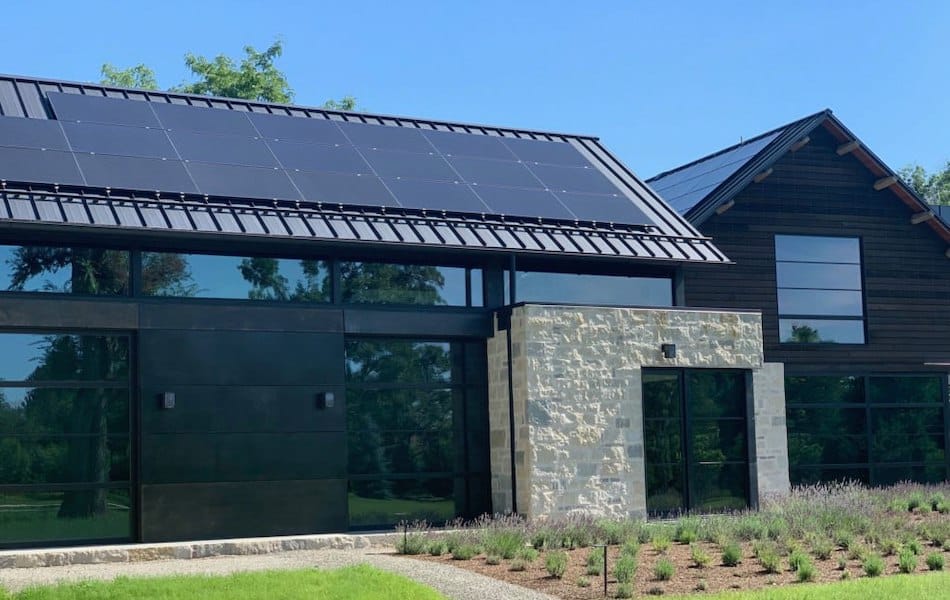
Credit: sunvena.com
Comparison: Metal Roofs Vs. Asphalt Shingle Roofs For Solar
Which is better for solar panels: metal roofs or asphalt shingles? Here’s a direct comparison.
| Feature | Metal Roof | Asphalt Shingles |
|---|---|---|
| Lifespan | 40–70 years | 15–20 years |
| Solar Panel Attachment | Clamp-on or bracket | Penetrating mounts |
| Leak Risk | Low (if clamp-on) | Medium |
| Energy Efficiency | High (reflects heat) | Medium |
| Maintenance | Low | Medium |
| Upfront Cost | Higher | Lower |
| Recyclability | High | Low |
Non-obvious Insights Most People Miss
Many articles talk about the basics, but here are two insights beginners often overlook:
- Solar panels can extend your metal roof’s life. By blocking sun, rain, and snow from hitting the roof directly, panels act as a protective shield. This can slow down fading, rust, or other weather damage.
- The color of your metal roof affects solar performance. Lighter colors reflect more sunlight, which keeps the panels cooler and improves efficiency. Darker roofs may absorb more heat, slightly reducing solar output, especially in hot climates.
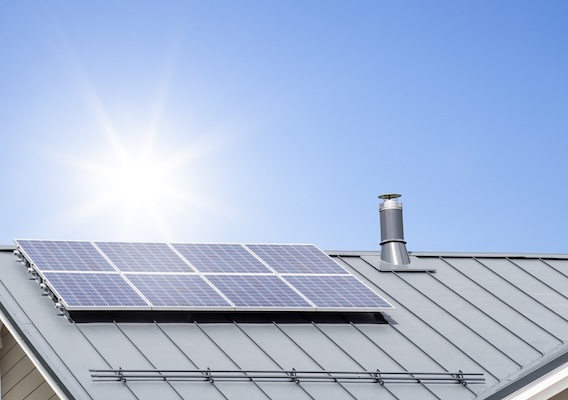
Credit: walkermetals.com
The Future Of Solar On Metal Roofs
As both solar and roofing technology improve, the pairing of solar panels and metal roofs will become even more common. Innovations like building-integrated photovoltaics (BIPV), where the solar cells are built directly into the roofing material, are already available in some markets.
Expect more roof manufacturers to offer solar-ready metal roofing and warranties that cover both systems together. This will simplify projects and reduce costs.
Getting Started: Steps To Take
If you’re interested in installing solar panels on your metal roof, here’s a simple path to follow:
- Assess your roof: Check its condition, age, and orientation.
- Contact experienced installers: Get several quotes and ask about their experience with metal roofs.
- Review financial options: Look into tax credits, rebates, and financing.
- Plan for the future: Think about snow guards, warranties, and maintenance.
- Schedule the project: Work with your installer to choose the best time—avoid rainy or snowy seasons if possible.
For more in-depth information on solar panel technology, you might find this resource helpful: Solar Panel – Wikipedia.
)
Credit: www.energysage.com
Frequently Asked Questions
What Is The Best Type Of Metal Roof For Solar Panels?
Standing seam metal roofs are the best choice for solar panels. They allow for clamp-on mounting systems that don’t require holes, reducing the risk of leaks and making installation faster and cheaper.
Do Solar Panels Cause Rust Or Damage To Metal Roofs?
When installed properly, solar panels do not cause rust or damage. In fact, they can protect the roof from weather and sunlight. Always use high-quality mounts and sealants, and choose an installer with metal roof experience.
Can I Install Thin-film Solar Panels On A Metal Roof?
Yes, thin-film panels are lightweight and flexible. Some can be adhered directly to the metal surface, which is useful for curved or unusual roof shapes. However, they are less efficient than traditional panels, so they work best where space is not a concern.
Will Adding Solar Panels Void My Metal Roof Warranty?
It depends on your roofing manufacturer and the installer. Some manufacturers offer special warranties for solar-ready roofs. Always check your warranty details and use an approved installer to avoid problems.
How Much Weight Do Solar Panels Add To A Metal Roof?
A typical solar panel system adds about 2–4 pounds per square foot to your roof. Most metal roofs can handle this easily, but it’s smart to have a structural engineer check your specific roof, especially if it’s older or you plan a large system.
Installing solar panels on a metal roof is a smart investment for energy savings, sustainability, and durability. With the right planning and a skilled installer, your solar project will deliver clean power for decades to come.