Have you ever wondered if a solar generator can power your fish tank? If you’re looking for a reliable, eco-friendly way to keep your aquatic friends safe during power outages or reduce your electricity bill, this question is crucial.
Imagine your fish tank running smoothly without interruption, even when the grid goes down. You’ll discover exactly how solar generators work with fish tanks, what you need to consider, and whether this solution fits your setup. Keep reading to find out if a solar generator is the right choice for your underwater world.
Credit: www.fruugo.us
Solar Generators And Fish Tanks
Solar generators offer a clean and quiet way to power small appliances. Fish tanks need steady power for filters, heaters, and lights. Solar generators can provide this power using stored energy from the sun. This section explains how solar generators work and what energy a fish tank requires.
How Solar Generators Work
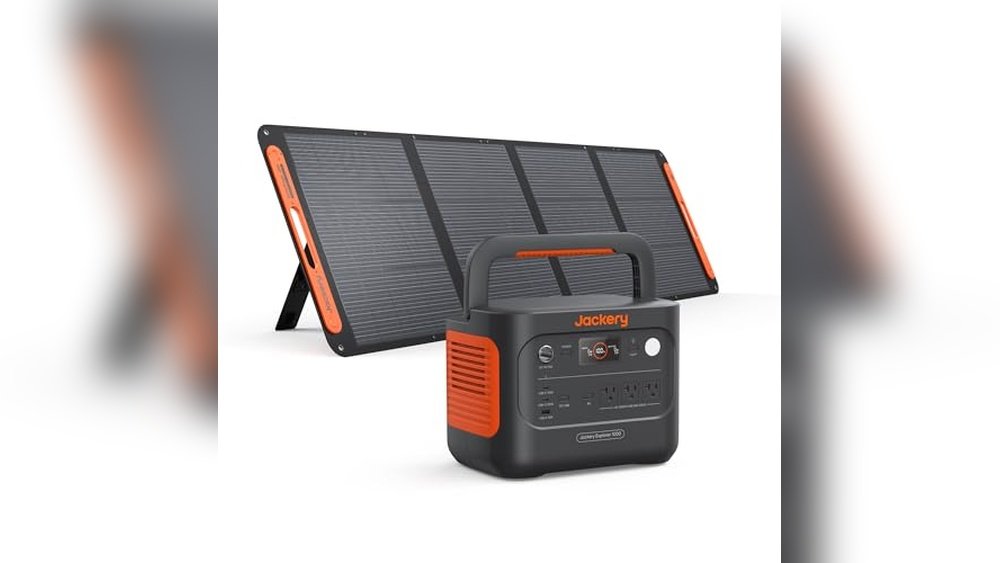
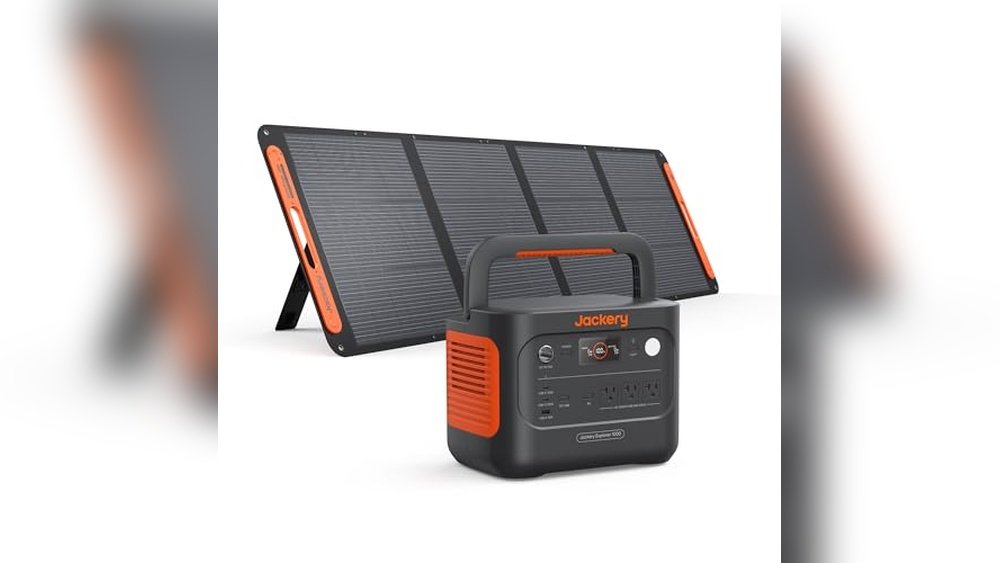
Solar generators use solar panels to capture sunlight. The sunlight turns into electricity through the panels. This electricity charges a battery inside the generator. The battery stores energy for use at any time. The generator converts stored energy into power for devices. It provides clean energy without noise or fuel. Solar generators work best with direct sunlight. They keep running by storing energy during the day.
Energy Needs Of A Fish Tank
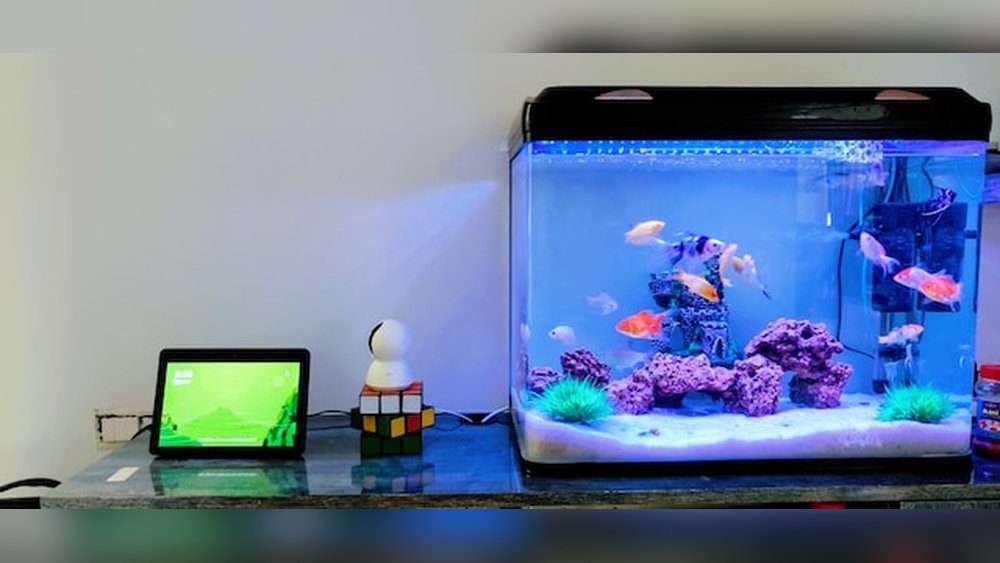
Fish tanks need power for several devices. Filters keep water clean and healthy for fish. Heaters maintain a steady water temperature. Lights help plants grow and brighten the tank. Each device uses different amounts of energy. Filters usually use the least energy. Heaters consume more power, especially in cold areas. Lights use moderate energy depending on type and hours used. Total energy depends on tank size and equipment. Knowing energy use helps choose the right solar generator.
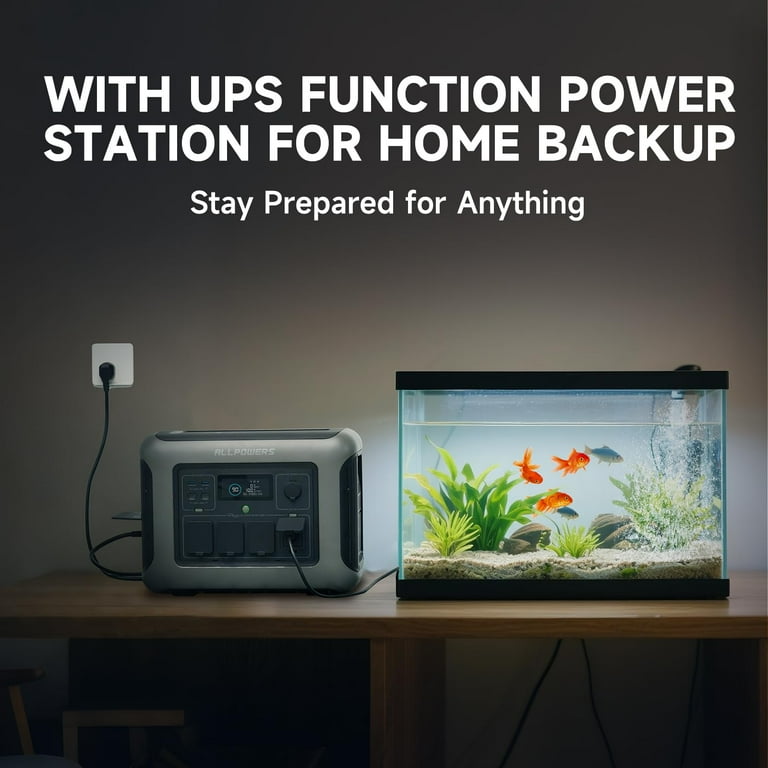
Credit: www.walmart.com
Calculating Power Requirements
Calculating power requirements is the first step in using a solar generator for your fish tank. Knowing how much energy your tank needs helps you choose the right solar setup. It prevents running out of power and keeps your fish safe and healthy.
Understanding your tank’s energy use also saves money. You avoid buying too big or too small a solar generator. Let’s break down the power needs clearly.
Estimating Tank Equipment Consumption
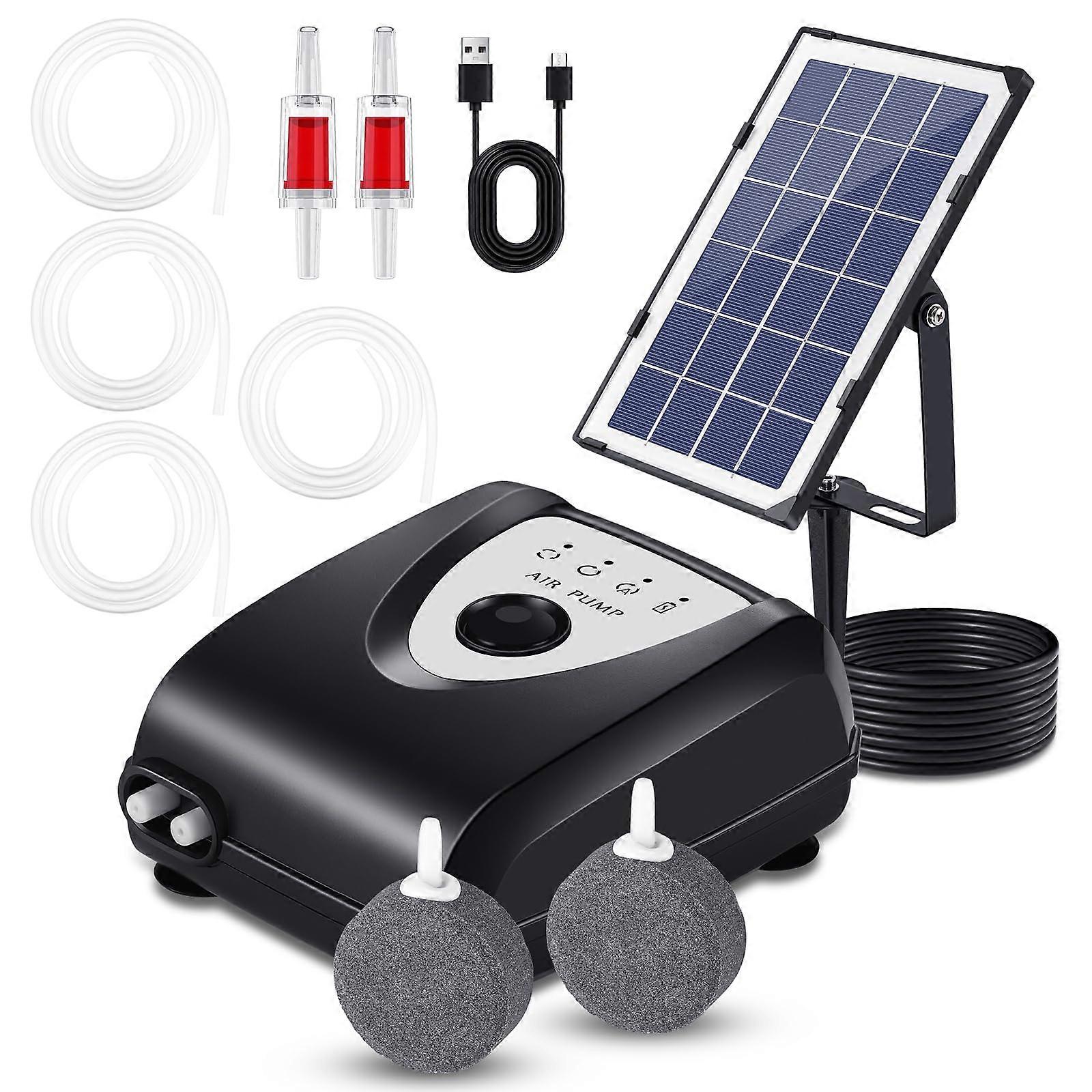
Start by listing all the equipment in your fish tank. Common items include filters, heaters, lights, and air pumps. Check the power rating on each device, usually in watts (W).
Write down the wattage of each device. For example, a heater might use 50 watts, and a filter 10 watts. Add all these numbers to find the total wattage your tank uses at one time.
Remember, some devices run all day, while others only work part of the time. This difference matters when calculating total energy needs.
Daily Energy Usage Breakdown
Next, figure out how many hours each device runs each day. Multiply the device’s wattage by its running hours. This gives you the watt-hours (Wh) used daily.
For example, a 50-watt heater running 6 hours uses 300 Wh (50 x 6). A 10-watt filter running 24 hours uses 240 Wh (10 x 24). Add these numbers for total daily energy use.
This total shows how much energy your solar generator must supply every day. It helps you pick solar panels and batteries that meet your fish tank’s needs.
Choosing The Right Solar Generator
Choosing the right solar generator is key for powering a fish tank. It ensures your tank gets steady power without interruption. A good solar generator matches the tank’s needs and fits your space. Knowing what to check helps pick the best one.
Battery Capacity And Output
Battery capacity shows how long the generator can run your fish tank. Bigger tanks need more power and a larger battery. Check the watt-hours (Wh) rating to see how much energy it stores. Output means how much power the generator can give at once.
Fish tanks need steady power for filters and lights. The generator should support continuous output without dropping power. Choose one with slightly higher output than your tank’s total wattage. This prevents overload and keeps your fish safe.
Portability And Installation
Portability matters if you want to move the generator easily. Smaller, lightweight models fit well in tight spaces. Heavy generators can be hard to handle and install.
Installation should be simple and safe. Look for generators with easy plug-in options for your fish tank. Solar panels should be placed where they get direct sunlight. This helps charge the battery faster and keeps your tank powered all day.

Credit: www.barbabos.ubuy.com
Setting Up Solar Power For Your Tank
Setting up solar power for your fish tank can save energy and reduce costs. It also helps keep your tank running during power outages. The process involves connecting solar panels to a generator and linking the generator to your tank equipment. This setup ensures your fish tank gets steady power from the sun.
Choosing the right components and connecting them properly is key. It keeps your fish safe and your tank healthy. Below are simple steps to set up solar power for your fish tank.
Connecting Solar Panels To Generator
Start by placing solar panels where they get maximum sunlight. Use clean, sunny spots like rooftops or balconies. Connect the solar panels to the solar generator using the cables that come with the kit. Make sure the connections are tight and secure to avoid power loss.
The solar generator stores the energy collected by the panels. Check the generator’s capacity to match your tank’s energy needs. Use a charge controller between the panels and generator to protect batteries from overcharging. This setup keeps your system safe and efficient.
Integrating With Fish Tank Equipment
Next, connect the solar generator to your fish tank devices. These include filters, heaters, and lights. Use power cords that fit your generator’s outlets. Turn on each device one by one to check if the power supply is steady.
Use a power meter to measure how much energy your tank equipment uses. This helps avoid overloading the generator. Choose energy-efficient devices to make the solar system last longer. This integration keeps your fish healthy and your system reliable.
Benefits Of Solar-powered Fish Tanks
Solar-powered fish tanks offer many benefits for aquarium owners. They use clean energy from the sun to keep fish tanks running. This reduces dependence on the electrical grid and lowers energy costs. Solar power also helps protect the environment by cutting carbon emissions. Fish tanks powered by solar generators can run smoothly and safely without harming nature.
Environmental Impact
Solar energy produces no pollution or harmful gases. It reduces the carbon footprint of your fish tank. Using solar power means less burning of fossil fuels. This helps keep the air and water cleaner. Solar-powered fish tanks support a healthier planet. They promote sustainability by using renewable energy every day.
Cost Savings Over Time
Solar generators lower electricity bills for fish tank owners. After the initial setup cost, energy is free from the sun. This saves money month after month. Maintenance costs are also low because solar systems last long. Investing in solar power helps avoid rising electricity prices. Over time, solar-powered fish tanks pay for themselves.
Challenges And Limitations
Using a solar generator to power a fish tank has some challenges. These limitations can affect how well the system works. Understanding these issues helps you decide if solar power fits your needs.
Weather Dependence
Solar generators rely on sunlight to produce energy. Cloudy or rainy days reduce power output. This can cause problems in keeping the fish tank running smoothly.
Nighttime means no solar power is generated. You may need extra batteries or backup power sources. This adds complexity to the system and risks power interruptions.
Initial Investment Costs
Solar generator setups can be costly at the start. Buying solar panels, batteries, and inverters requires a big budget. This may not suit everyone’s financial plan.
The expense can be higher than traditional power options. Long-term savings exist but need time to appear. Planning your budget carefully is important.
Maintenance Tips For Solar Systems
Maintaining a solar generator system is key to powering a fish tank reliably. Regular care helps the system run smoothly and last longer. Small tasks done often prevent big problems later. Simple checks and cleaning keep everything working well.
Panel Cleaning And Inspection
Solar panels must stay clean to capture sunlight well. Dust, dirt, and bird droppings reduce their power. Use a soft cloth or sponge with water to clean panels gently. Avoid harsh chemicals that may damage the surface. Check panels for cracks or loose wires. Fix any damage quickly to keep panels safe and efficient.
Battery Care And Replacement
Batteries store energy for night use or cloudy days. Keep battery terminals clean and free from corrosion. Check the battery’s charge level often to avoid deep discharge. Replace batteries after a few years as they lose capacity. Use the right type of battery recommended by the solar system maker. Proper battery care ensures steady power for your fish tank.
Real-life Examples
Solar generators have become popular for powering small appliances. Fish tank owners explore this option to save energy and reduce costs. Real-life examples show how well solar generators work for fish tanks. These stories help understand the benefits and challenges of solar-powered tanks.
Successful Solar-powered Tanks
Many aquarium owners have run their tanks using solar power. Small tanks with LED lights and air pumps often succeed. One owner powered a 20-gallon tank with a 100-watt solar panel and battery. The system kept the water clean and fish healthy for months. Solar setups with energy-efficient equipment perform best. Some users report saving money on electricity bills. Solar power also provides backup during outages.
Lessons From Failures
Some solar-powered fish tanks faced issues that led to failure. Oversized tanks with high-power filters drained batteries quickly. Inadequate solar panels could not recharge batteries fully. Poor battery maintenance caused power loss and tank damage. Owners learned to match solar capacity with tank needs. They now recommend using low-energy pumps and lights. Proper planning and regular checks are essential for success.
Frequently Asked Questions
Can A Solar Generator Run A Fish Tank Pump?
Yes, a solar generator can power a fish tank pump. It supplies clean, renewable energy to keep water circulating continuously, ensuring oxygenation and filtration for healthy aquatic life.
How Much Solar Power Does A Fish Tank Need?
A fish tank typically requires 20-50 watts of power for pumps and lights. Solar generators with at least 100-200 watt capacity can efficiently support a small to medium tank.
Is Solar Power Reliable For Aquarium Maintenance?
Solar power is reliable if paired with battery storage. It provides consistent energy even during cloudy days, ensuring uninterrupted operation of essential aquarium equipment.
What Are The Benefits Of Solar Generators For Fish Tanks?
Solar generators reduce electricity bills, offer eco-friendly energy, and enable off-grid aquarium setups. They provide quiet, safe power without emissions or noise pollution.
Conclusion
Solar generators can power small fish tanks well. They provide clean energy and reduce electricity costs. Make sure to check the generator’s capacity before use. Batteries store energy to keep the tank running at night. Solar power works best with good sunlight and proper setup.
It supports filters, lights, and heaters for healthy fish. This option suits eco-friendly fish tank owners. Planning and maintenance keep everything running smoothly. Solar power offers a quiet and reliable way to care for fish. Worth considering for a green and steady energy source.