Are you wondering if a solar generator can power your pellet stove? If you’re looking for a way to heat your home using clean energy and reduce your electricity bills, this question is crucial.
Imagine running your pellet stove without relying on the grid, saving money, and staying warm even during power outages. You’ll discover how solar generators work with pellet stoves, what you need to know before making the switch, and whether this setup fits your lifestyle.
Keep reading to find out if this energy solution is right for you.

Credit: www.youtube.com
Solar Generators And Pellet Stoves
Solar generators are growing in popularity as clean power sources. Many people wonder if they can run pellet stoves. Pellet stoves use electricity to work. Solar generators store energy from the sun and provide electricity. Understanding both devices helps answer this question clearly.
Below, we explore how solar generators operate, how pellet stoves work, and the power needs of pellet stoves. This knowledge helps to see if solar generators can support pellet stoves effectively.
Basics Of Solar Generators
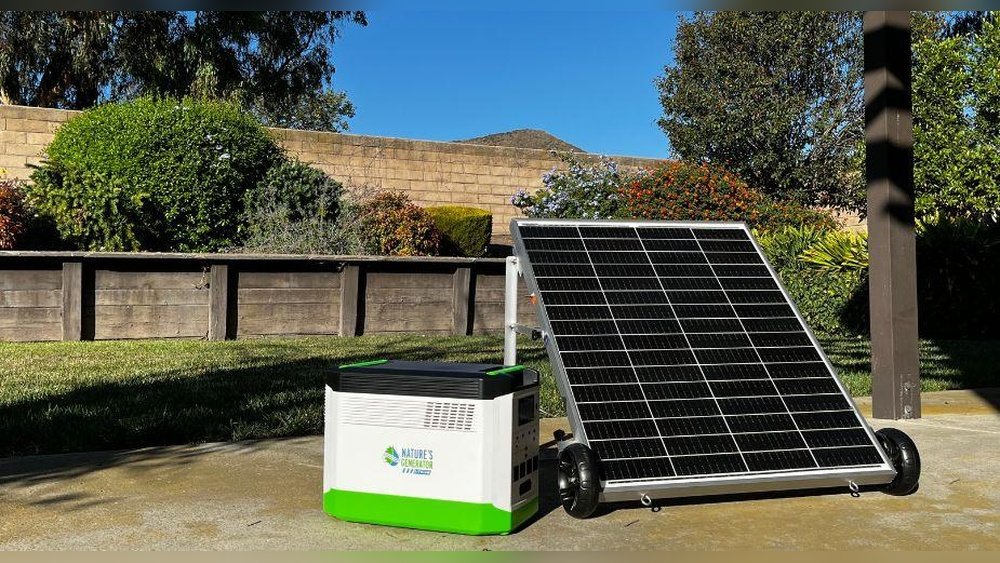
Solar generators collect energy using solar panels. The panels convert sunlight into electricity. This electricity charges a battery inside the generator. The battery stores power for later use. Solar generators have outlets to plug in devices. They are quiet and produce no fumes. These generators work best in sunny areas. Their power output depends on battery size and panel strength.
How Pellet Stoves Work
Pellet stoves burn small wood pellets to create heat. A motor feeds pellets into a firebox automatically. A fan blows warm air into the room. The stove needs electricity for the motor and fan. It also uses electricity for the control panel. Pellet stoves are efficient and cleaner than traditional wood stoves. They offer steady heat and easy control.
Power Needs Of Pellet Stoves
Pellet stoves require a steady electrical supply. Most use between 100 and 400 watts while running. Startup needs slightly more power for a short time. The stove runs continuously while heating. It is important to check the stove’s wattage before use. The solar generator must provide enough power for the stove. Battery capacity and output wattage are key factors.

Credit: www.youtube.com
Matching Power Requirements
Matching power requirements is key to running a pellet stove with a solar generator. You must understand the stove’s energy needs. Then, check if the solar generator can supply enough power. This avoids problems like power shortages or damage to your devices.
Calculating Pellet Stove Energy Use
Pellet stoves use electricity to run fans and controls. Their power use varies from model to model. Most stoves need between 100 and 300 watts during operation. Check the stove’s manual for exact power ratings. Also, note the startup power, which can be higher than running power. Add these numbers to find total energy use over time.
Solar Generator Capacity
Solar generators have a power rating measured in watts. This rating shows the maximum power they can provide at once. Choose a generator with a watt rating above your stove’s peak power. This ensures the stove runs smoothly without overloading the system. Consider the generator’s inverter type for better compatibility with appliances.
Battery Storage And Runtime
Batteries store energy for use when the sun is not shining. Check the battery capacity, measured in watt-hours (Wh). A larger battery means longer runtime for your pellet stove. Calculate how many hours you want the stove to run without sunlight. Divide battery capacity by stove power to estimate runtime. Make sure the battery can handle the stove’s power spikes.
Types Of Solar Generators
Solar generators come in different types, each with unique features. Knowing these types helps you pick the right one for your pellet stove. Power needs vary, so matching the generator type is key.
Portable Solar Generators
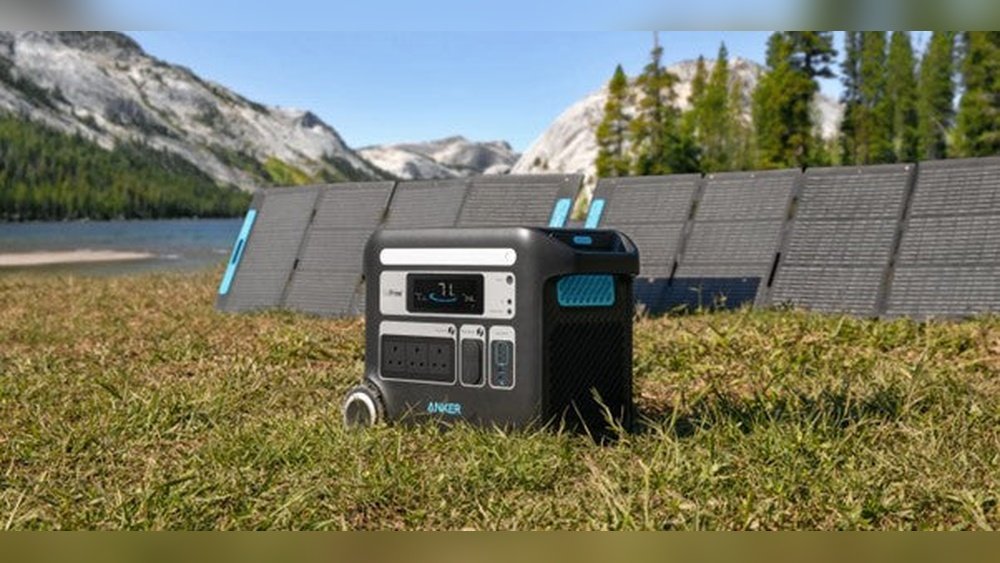
Portable solar generators are small and easy to carry. They use solar panels to charge a battery. These generators are good for camping or small appliances. They provide limited power but are convenient for short use. Running a pellet stove might need a larger unit than most portables offer.
Stationary Solar Systems
Stationary solar systems are fixed setups at homes or cabins. They have bigger solar panels and larger batteries. These systems can supply steady power for pellet stoves. Installation is more complex but offers reliable energy. They support longer and stronger power needs without moving parts.
Hybrid Solar Solutions
Hybrid solar solutions combine solar power with other energy sources. They use batteries, solar panels, and a backup generator or grid connection. This setup ensures power even when the sun is low. Hybrid systems can handle pellet stoves with stable energy. They are ideal for places with varied weather or higher power demands.
Connecting A Solar Generator To A Pellet Stove
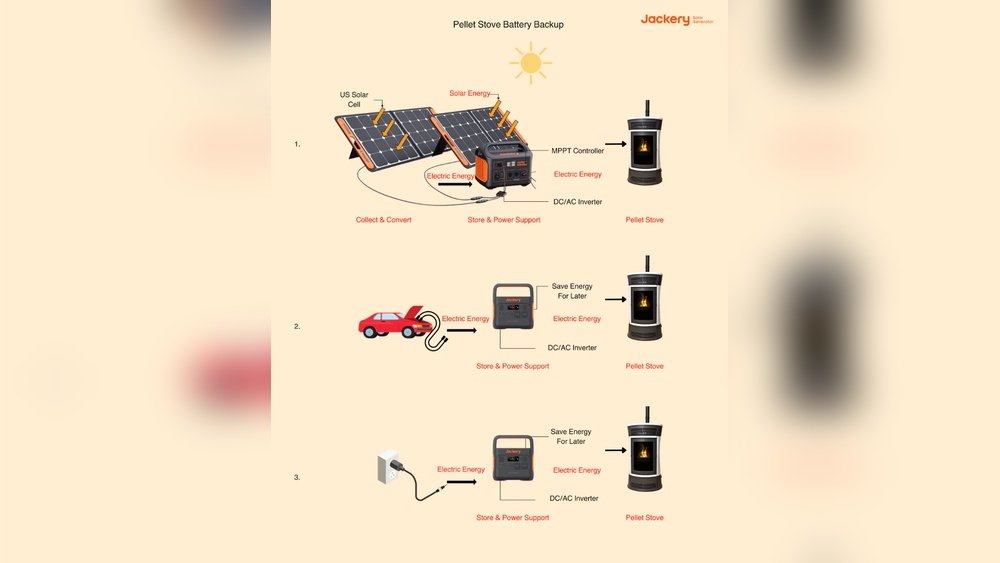
Connecting a solar generator to a pellet stove can provide a clean, off-grid heating solution. It allows the stove to run even during power outages or in remote areas. Understanding the setup process helps ensure the connection works safely and efficiently. This section explains the necessary equipment, safety tips, and common challenges you may face.
Required Equipment And Setup
A solar generator with enough wattage is essential to power a pellet stove. Most pellet stoves need between 300 to 500 watts to operate. A solar panel system, battery bank, and inverter are also necessary parts. The inverter converts the stored battery power to the type needed by the stove. Proper cables and connectors ensure a secure link between the generator and stove. Check the pellet stove’s power requirements before starting the setup. Position the solar panels in direct sunlight for best energy collection.
Safety Considerations
Always use equipment rated for the stove’s power needs. Avoid overloading the solar generator to prevent damage. Ensure all connections are tight and insulated to prevent electrical shorts. Keep the solar generator and wiring away from water sources. Use a surge protector to protect the pellet stove from power spikes. Follow the manufacturer’s instructions for both the stove and the solar generator. Regularly inspect the system for wear or loose connections to maintain safety.
Common Challenges
Solar power can be inconsistent on cloudy days or at night. Battery capacity might limit how long the pellet stove can run. Some pellet stoves have a high startup power surge that can strain the generator. Proper sizing of the solar system is crucial to avoid power shortages. Wiring errors can cause the system to fail or become unsafe. It is important to monitor the system’s performance and make adjustments as needed. Understanding these challenges helps maintain a reliable heating setup.
Optimizing Solar Power For Heating
Using solar power to run a pellet stove can save money and reduce your carbon footprint. Optimizing solar power for heating means getting the most energy from the sun and storing it smartly. This helps keep your home warm even when sunlight is low. Small changes can make a big difference in how well your system works.
Energy Efficiency Tips
Choose a pellet stove with low power use. Use a thermostat to control the heat output. Close doors and windows to keep warm air inside. Keep the stove clean for better performance. Use thick curtains to reduce heat loss at night. Lowering the heat slightly can save a lot of energy.
Using Solar Panels Effectively
Place solar panels where they get the most sunlight. Avoid shading from trees or buildings. Keep panels clean from dust and debris. Tilt panels to match the sun’s angle in your area. Use a solar charge controller to protect the battery. Monitor the system to catch any problems early.
Maintaining Battery Health
Choose deep-cycle batteries for longer life. Avoid fully draining the battery regularly. Keep batteries in a cool, dry place. Check connections for corrosion or loose wires. Use a battery monitor to track charge levels. Replace old batteries before they fail completely.
Cost And Environmental Impact
The cost and environmental impact of running a pellet stove with a solar generator matter to many homeowners. Understanding these factors helps decide the best power source. Solar generators offer a different approach than traditional power.
Comparing Solar And Traditional Power
Traditional power often comes from fossil fuels. These fuels cost money and harm the environment. Solar power uses sunlight, which is free and clean. Solar generators do not produce noise or air pollution. Traditional power may have outages; solar power can work with batteries. The initial cost of solar generators is higher but they need less maintenance.
Long-term Savings
Solar generators reduce electricity bills by using free sunlight. Pellet stoves powered by solar energy save money over time. You pay less for fuel and electricity. Solar panels last many years, providing long-term value. Traditional power bills can increase with fuel price changes. Solar systems require upfront investment but lower monthly costs. Savings grow as you use more solar energy.
Reducing Carbon Footprint
Solar power produces no carbon emissions. Using a solar generator lowers your home’s carbon footprint. Pellet stoves are already eco-friendly, and solar power makes them cleaner. Traditional power often releases greenhouse gases. Solar energy helps fight climate change. Choosing solar power supports a healthier planet. Small changes, like solar-powered stoves, make a big difference.
Real-world Examples
Exploring real-world examples helps understand if a solar generator can power a pellet stove. This section shares actual user stories, practical case studies, and useful troubleshooting tips. It highlights the challenges and successes experienced by people using solar power for their pellet stoves.
User Experiences
Many users report their solar generators can run small pellet stoves. They say the stove runs well during sunny days. Some users mention the solar setup powers the stove fan and auger efficiently. However, larger pellet stoves need bigger solar systems. Battery capacity often limits run time at night or on cloudy days. Users recommend monitoring power use closely to avoid outages.
Case Studies
A case study in a rural home showed a 1000-watt solar generator powering a medium pellet stove. It ran for about 6 hours daily with full sun. Another study involved a hybrid system combining solar and grid power for continuous stove operation. These examples prove solar generators can work but depend on system size and weather. Proper sizing and planning are key for success.
Troubleshooting Tips
Check the solar generator wattage matches the pellet stove’s power need. Ensure the battery is fully charged before use. Test the stove fan and auger separately to find issues. Keep solar panels clean for best energy capture. Use a power meter to track consumption. Adding a backup battery or generator helps during low sunlight periods.
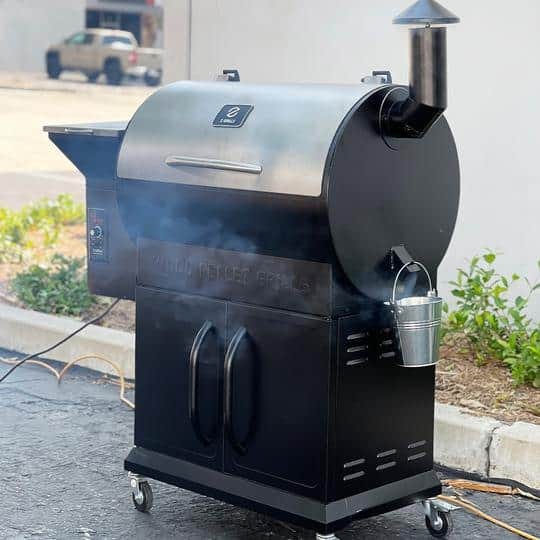
Credit: rvelectricity.substack.com
Frequently Asked Questions
Can A Solar Generator Power A Pellet Stove?
Yes, a solar generator can power a pellet stove if it has enough wattage and battery capacity to handle the stove’s power needs. Most pellet stoves require 200-500 watts, so ensure your solar generator matches or exceeds this for continuous operation.
How Long Can A Solar Generator Run A Pellet Stove?
The run time depends on the solar generator’s battery capacity and the stove’s power consumption. A typical pellet stove uses 200-500 watts, so a 1000Wh solar generator could run it for about 2-5 hours on a full charge.
What Size Solar Generator Is Needed For Pellet Stoves?
A solar generator with at least 500-1000 watts output and 1000Wh battery capacity is ideal. This size ensures it can handle startup surge and provide steady power for several hours to run the pellet stove efficiently.
Are Pellet Stoves Energy-efficient With Solar Power?
Yes, pellet stoves are energy-efficient and work well with solar power. They use electricity only for the feeder and fans, making them suitable for low-wattage solar generators that provide clean, renewable energy.
Conclusion
Solar generators can power pellet stoves, but consider their limits. Check the generator’s wattage against the stove’s power needs. Some pellet stoves use more electricity during startup. Battery life and weather affect solar power availability. Using a solar generator can reduce energy costs and dependence on the grid.
It offers a cleaner, quieter way to run your stove. Planning well ensures your pellet stove runs smoothly with solar power. This solution suits those wanting eco-friendly heating options.