Are you wondering if a solar generator can power your well pump? You’re not alone.
Many people want a reliable, eco-friendly way to keep their water flowing without relying on the grid. Imagine having the freedom to run your well pump even during power outages or in remote locations. This article will clear up the confusion and help you understand exactly how a solar generator can meet your needs.
Keep reading to discover what factors matter most and how to choose the right setup for your well pump.
Credit: entraser.dz
Solar Generators Basics
Solar generators offer a clean and quiet way to power devices. They use sunlight to create electricity. This makes them ideal for places without easy access to power. Understanding the basics helps decide if a solar generator can run a well pump.
Solar generators store energy in batteries. They supply power when sunlight is not available. This makes them reliable for various needs, including running water pumps.
How Solar Generators Work
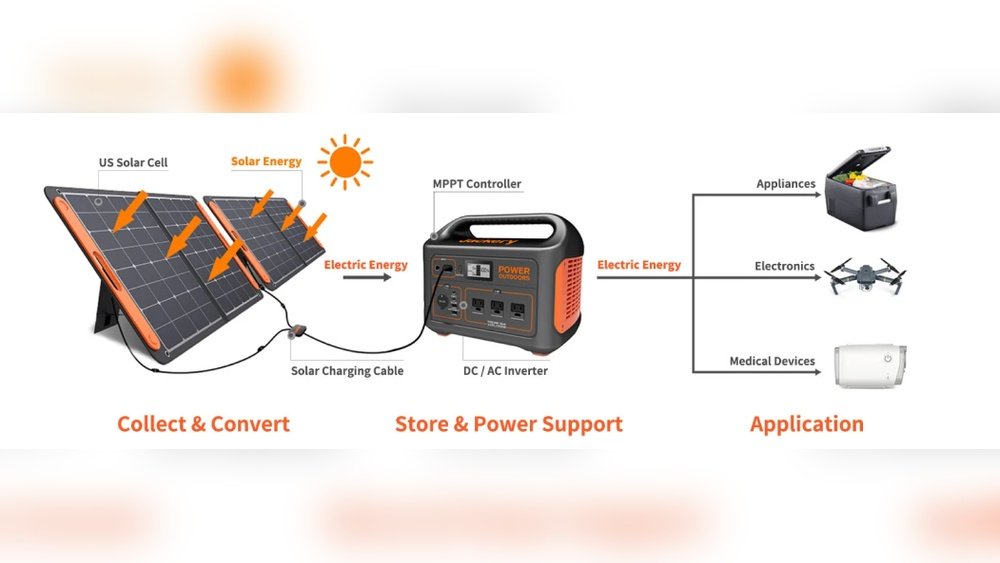
Solar panels capture sunlight and turn it into electricity. This electricity flows to a battery for storage. The generator then sends power to devices when needed. It works silently and without fuel. The process depends on sunlight strength and battery size.
Key Components
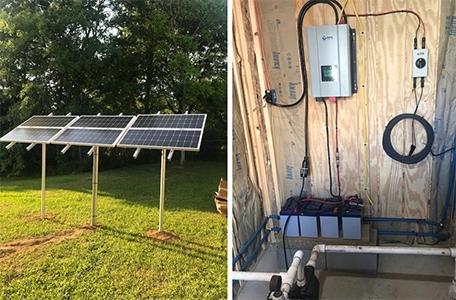
Solar panels collect sunlight. Batteries hold the electrical energy. An inverter changes stored power to usable electricity. Charge controllers protect batteries from overcharging. These parts work together to provide steady power. Each part affects the overall performance.
Types Of Solar Generators
Portable solar generators are small and easy to move. They suit small devices and short-term use. Stationary solar generators are larger and fixed in one place. They handle bigger loads like well pumps. Hybrid solar generators combine solar and other power sources. This setup offers more flexibility.
Well Pump Power Needs
A well pump needs enough power to run smoothly. Solar generators can supply this energy if they match the pump’s requirements. Checking the pump’s wattage helps decide if solar power will work.
Common Well Pump Types
Well pumps come in several types. The most common are submersible and jet pumps. Submersible pumps sit inside the well and push water up. Jet pumps stay above ground and pull water up. Each type uses different amounts of power. Knowing your pump type helps estimate energy needs.
Typical Energy Consumption
Well pumps usually run on 120 or 240 volts. Small pumps use about 500 to 1,500 watts. Larger pumps can need 2,000 watts or more. Pumps do not run all the time. They cycle on and off based on water use. Understanding energy use helps size a solar generator correctly.
Starting Vs Running Power
Pumps need more power to start than to run. Starting power can be two to three times higher. This surge lasts only a few seconds. A solar generator must handle this surge. Otherwise, the pump may not start. Running power is lower and steady. Both values matter for solar setup.
Matching Solar Generators To Well Pumps
Matching a solar generator to a well pump requires careful planning. The solar generator must supply enough power for the pump to work efficiently. Different well pumps have varied power needs. Understanding these needs ensures the solar system runs smoothly. Choosing the right solar generator depends on key factors like power use, battery size, and inverter type.
Getting these elements right prevents damage to your equipment. It also helps avoid power shortages. Let’s break down the important points for matching solar generators to well pumps.
Calculating Power Requirements
Start by checking the well pump’s power label. It shows wattage and voltage needed. Pumps may need extra power when starting, called surge power. Calculate both running and surge wattage. This ensures the solar generator can handle the pump’s highest demand. Multiply the pump’s running watts by the hours it runs daily. This gives the total daily energy needed in watt-hours. Accurate power calculation avoids undersized systems that fail to run the pump.
Battery Capacity And Storage
Battery size must match the pump’s energy use. Choose batteries that store enough power for cloudy days or night use. Larger battery capacity means longer backup power. Use deep-cycle batteries designed for solar setups. Calculate battery capacity in amp-hours or watt-hours. Add a safety margin for unexpected power needs. Proper battery storage keeps your well pump running without interruptions.
Inverter Specifications
The inverter converts solar power from DC to AC for the pump. It must support the pump’s voltage and wattage. Check the inverter’s continuous and surge power ratings. The surge rating should cover the pump’s start-up power. Choose a pure sine wave inverter for smooth, safe operation. A good inverter protects the pump and improves efficiency.
System Design For Off-grid Wells
Designing a solar generator system for an off-grid well requires careful planning. The system must provide enough power to run the well pump efficiently. It should work reliably even when sunlight is low or during night. Proper system design ensures steady water supply without interruptions.
Several factors affect system design. These include the well pump’s power needs, daily water use, and sunlight hours in your location. Each element plays a role in choosing the right components and setup.
Solar Panel Sizing
Solar panels must produce enough energy to meet the well pump’s demand. Start by checking the pump’s wattage and running time. Multiply these to find daily energy needs in watt-hours. Choose solar panels that generate slightly more than this value. This extra power covers cloudy days and system losses. Panels should also match your roof or ground space for installation.
Energy Management Strategies
Managing energy use helps keep the system stable. Use a battery bank to store excess solar power for night or cloudy days. A charge controller prevents battery damage by regulating power flow. Set timers or sensors to run the pump only when needed. This saves energy and extends battery life. Monitor system performance regularly to spot issues early.
Backup Power Options
Backup power adds security to your water supply. A generator or a secondary battery bank can serve as backup. Choose a backup that starts automatically or manually during low solar output. This prevents water shortages during long cloudy periods. Backup options ensure your well pump works anytime without fail.
Installation And Maintenance
Installing and maintaining a solar generator for a well pump requires careful planning and regular care. Proper setup ensures steady water flow and long system life. Routine checks keep the generator working efficiently. Knowing common problems helps fix issues fast and avoid downtime.
Site Assessment Tips
Choose a location with full sun exposure. Avoid shade from trees or buildings. Check the roof or ground space for solar panel placement. Confirm the area is secure and dry. Measure the distance between the generator and the well pump. Shorter distance reduces power loss. Ensure the site has good ventilation for the generator. Test the soil to support mounting structures. Plan for easy access during maintenance.
Routine Maintenance Tasks
Clean solar panels regularly to remove dust and dirt. Inspect cables and connectors for damage or corrosion. Check battery charge levels and recharge if needed. Tighten loose bolts and screws on the system. Monitor water flow to detect pump performance issues. Replace worn or faulty parts promptly. Keep the area around the system clear of debris. Schedule monthly inspections to catch problems early.
Troubleshooting Common Issues
Low water pressure may mean a weak power supply. Check solar panel output and battery health. A pump that does not start could have wiring problems. Test all electrical connections for continuity. Noise or vibration signals mechanical wear in the pump. Lubricate or repair as needed. If the generator fails to charge, inspect the solar panels for dirt or damage. Reset the system to clear electronic faults.

Credit: www.jackery.com
Benefits Of Solar-powered Well Pumps
Solar-powered well pumps offer many advantages. They use sunlight to run water pumps, reducing the need for electricity or fuel. This technology suits farms, homes, and remote places. It helps save money, protect nature, and ensures water supply even in distant areas.
Cost Savings
Solar well pumps cut down electricity bills. They use free sunlight instead of paid power. No fuel costs or regular gas deliveries are needed. Maintenance costs stay low because solar parts last long. This makes solar pumps a smart, budget-friendly choice.
Environmental Impact
Solar pumps do not release harmful gases. They reduce carbon footprints by using clean energy. No noise pollution or fuel spills harm the land. Using solar energy helps protect water and soil quality. This choice supports a healthier planet for everyone.
Reliability In Remote Areas
Solar pumps work well far from power lines. They provide water where electricity is not available. Sunlight is abundant in many isolated places. Battery storage keeps water flowing at night or cloudy days. This makes solar pumps dependable in hard-to-reach spots.
Challenges And Limitations
Using a solar generator to power a well pump has its challenges. Understanding these limits helps you make a smart choice. Solar power depends on many factors that can affect its performance. Costs and maintenance also play a big role. Here are some key challenges and limitations.
Weather Dependency
Solar generators rely on sunlight to create energy. Cloudy days and rainy weather reduce power output. Less sunlight means less energy for the well pump. During long periods without sun, the generator may not work well. This can cause water supply problems.
Initial Investment
Solar generators can cost a lot at the start. Buying panels, batteries, and the generator adds up. The price may be higher than traditional power sources. Some parts need professional installation, which adds cost. This initial expense can be a barrier for some people.
System Longevity
Solar generators have parts that wear out over time. Batteries lose capacity and need replacement after years. Solar panels can degrade and produce less power. Regular maintenance is necessary to keep the system working well. These factors affect the system’s lifespan and reliability.
Popular Solar Generator Brands
Choosing the right solar generator is key to powering a well pump efficiently. Popular brands offer a range of options. Each brand has unique features and power capacities. Understanding these helps in making a smart choice. Below, we explore some top brands and what sets them apart.
Brand Comparisons
Jackery, Goal Zero, and EcoFlow are well-known solar generator brands. Jackery models usually provide good balance between price and power. Goal Zero offers robust build quality and reliable performance. EcoFlow stands out for fast charging and high power output. Each brand supports different pump sizes and power needs.
User Reviews
Users often praise Jackery for ease of use and portability. Goal Zero earns high marks for durability and customer service. EcoFlow receives positive feedback for long battery life and quick recharge. Some users mention noise levels and weight as factors to consider. Checking reviews helps understand real-world performance.
Warranty And Support
Most top brands offer warranties between one and two years. Jackery provides clear warranty terms and responsive support. Goal Zero includes a solid warranty with extended service options. EcoFlow offers comprehensive support and easy claim processes. Good warranty and support add peace of mind for buyers.

Credit: shopsolarkits.com
Frequently Asked Questions
Can A Solar Generator Run A Well Pump Efficiently?
Yes, a solar generator can run a well pump efficiently if it matches the pump’s power needs. Choose a generator with sufficient wattage and battery capacity for continuous operation. Proper solar panel size and sunlight availability also affect efficiency.
What Size Solar Generator Is Needed For A Well Pump?
The solar generator size depends on the pump’s wattage and run time. Typically, a 1000 to 3000-watt generator suits small to medium well pumps. Calculate total energy consumption, then pick a generator that supports that load with extra capacity.
How Long Can A Solar Generator Power A Well Pump?
A solar generator powers a well pump as long as it has battery charge and solar input. On sunny days, it can run indefinitely with proper panels. Battery capacity limits runtime during cloudy days or nighttime.
Are Solar Generators Cost-effective For Well Pumps?
Solar generators can be cost-effective by reducing electricity bills and providing off-grid power. Initial investment is higher, but savings and independence increase over time. They are ideal for remote locations without grid access.
Conclusion
A solar generator can power a well pump in many cases. It saves energy and reduces costs over time. You just need to check the pump’s power needs first. Choose the right solar generator that matches those needs. Keep in mind, sunlight availability affects how well it works.
Using a solar generator offers a clean and quiet energy option. It suits places without easy access to electricity. Solar power for well pumps is practical and eco-friendly. Worth considering for reliable water supply and saving money.