Are you wondering if your solar generator can keep you warm by powering a space heater? It’s a question many people ask when looking for eco-friendly ways to stay cozy without relying on the grid.
You might be surprised by what’s possible—and what limitations you should know about before plugging in. Keep reading to discover how a solar generator works with space heaters, what to expect, and how to make the most of your setup.
Your comfort and peace of mind could depend on it.
How Solar Generators Work
Understanding how solar generators work helps clarify their ability to power devices like space heaters. These generators convert sunlight into electricity and store it for later use. The process involves several key parts that work together efficiently. Each part plays a role in capturing, storing, and delivering power.
Basic Components
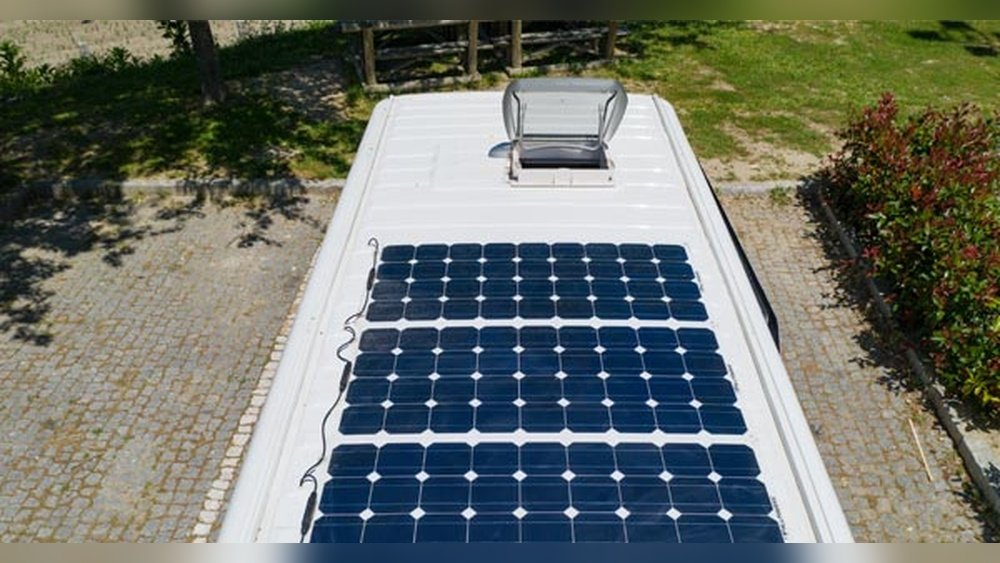
Solar generators consist of solar panels, a battery, and an inverter. Solar panels catch sunlight and turn it into electrical energy. The battery stores this energy for use when the sun is not shining. The inverter changes stored energy into usable power for household devices.
Energy Storage
The battery is the heart of energy storage in a solar generator. It holds electricity until a device needs power. Larger batteries store more energy, allowing longer use of devices. Battery type affects how long and how well the generator performs.
Power Output
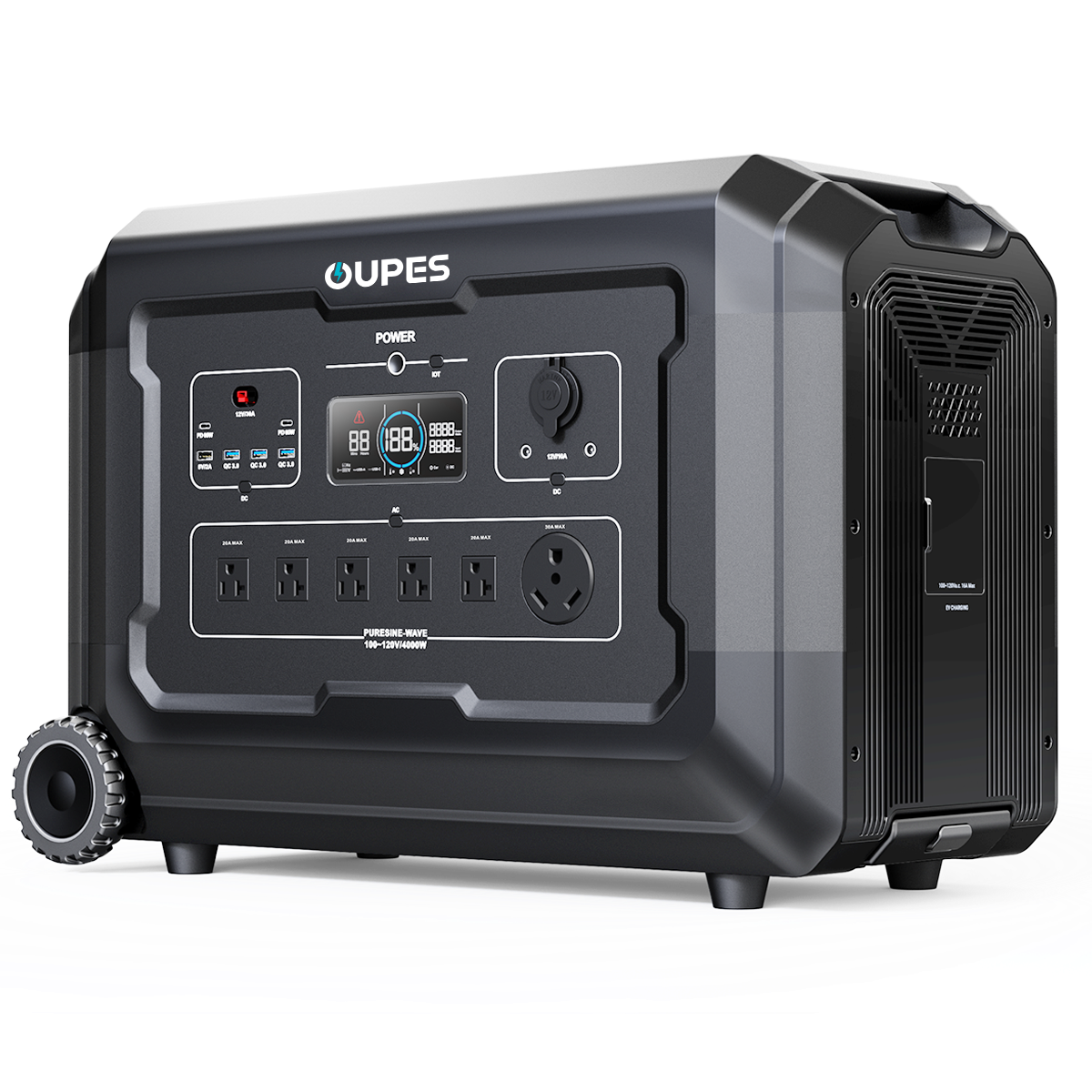
Power output measures how much electricity the generator can provide at once. It depends on the size of the solar panels and battery. A higher power output means the generator can run bigger devices, like a space heater. Check the generator’s watt rating to match your device’s needs.
Credit: oupes.com
Types Of Space Heaters
Space heaters come in different types. Each type works differently to warm a room. Understanding these types helps you choose the best heater for your needs. It also shows how much power a solar generator needs to run one.
Electric Resistance Heaters
Electric resistance heaters use electricity to create heat. They have coils that get hot when electricity flows through. The heat spreads around the room using a fan or by natural air flow. These heaters are simple but use a lot of electricity. They can work with a solar generator, but the generator must be strong enough.
Infrared Heaters
Infrared heaters warm objects and people directly. They use infrared light to send heat. This type does not waste energy heating the air. Infrared heaters are often more efficient than resistance heaters. Solar generators can run them well if the power matches the heater’s needs.
Oil-filled Radiators
Oil-filled radiators heat oil inside the unit. The oil stays hot for a long time, even when the heater is off. These heaters warm the air slowly but keep rooms warm longer. They use moderate electricity and can run on a solar generator with proper capacity.
Power Requirements Of Space Heaters
Space heaters need a certain amount of power to work properly. Knowing their power needs helps decide if a solar generator can run one. Space heaters use electricity in different ways. This affects how much energy they draw from a power source like a solar generator.
Wattage Range
Most space heaters use between 750 and 1500 watts. Some small models need less power, around 400 watts. Larger heaters can go over 1500 watts. The wattage tells how much energy the heater uses each hour. Choosing a heater with lower wattage helps save power. It also suits solar generators with limited capacity.
Startup Vs Running Power
Space heaters usually need more power to start than to run. This extra power is called startup power or surge power. It can be 10 to 20 percent higher than running power. Solar generators must handle this surge to avoid shutting off. Knowing the startup power helps pick the right generator size. A generator too small may fail to start the heater.
Energy Consumption Patterns
Space heaters often cycle on and off to keep temperature steady. They do not use full power all the time. Energy use varies depending on settings and room size. Running the heater at low settings uses less energy. Solar generators need to supply enough energy during peak use. Understanding these patterns helps in planning power needs well.
Matching Solar Generators To Space Heaters
Matching a solar generator to a space heater requires careful planning. Space heaters need a lot of power. Solar generators have limits on how much power they can supply. Choosing the right generator ensures your heater works well without running out of energy.
Calculating Power Needs
First, find out how many watts your space heater uses. Most small heaters need 750 to 1500 watts. Check the heater’s label or manual for exact numbers. Add up all devices you want to run with the generator. This total helps you know the power you need.
Generator Capacity Considerations
Choose a solar generator with a watt rating higher than your heater’s power need. A 1500-watt heater needs a generator with at least 1800 watts. This extra power prevents overload and keeps your devices safe. Also, consider the surge power. Heaters may draw more power at startup.
Battery Life And Runtime
Solar generators store energy in batteries. The battery size decides how long your heater runs. Larger batteries last longer but cost more. Calculate runtime by dividing battery watt-hours by heater watts. For example, a 1000Wh battery powers a 500W heater for about two hours.
Advantages Of Using Solar Generators
Solar generators offer many benefits for powering devices like space heaters. They provide energy without relying on traditional fuel sources. These generators are easy to use and help reduce electricity bills. They also support a cleaner environment by using renewable energy. Understanding their advantages helps you see why solar generators are a smart choice for heating needs.
Portability And Convenience
Solar generators are lightweight and easy to carry. You can move them from room to room or take them outside. No need for complicated setup or heavy cables. They work anywhere the sun shines. This makes them perfect for camping or emergency heating. You can enjoy warmth without being tied to a power outlet.
Eco-friendly Heating
Solar generators use sunlight, a clean energy source. They do not produce harmful gases or noise. This keeps the air fresh and safe to breathe. Using solar power reduces your carbon footprint. It helps protect the planet for future generations. Heating your space with solar energy means less pollution and less waste.
Cost Savings
Solar generators reduce electricity bills by using free sunlight. No fuel costs or monthly charges. They require little maintenance and have a long lifespan. Over time, these savings add up significantly. Investing in solar power means spending less on heating. It is a smart way to save money while staying warm.
Limitations And Challenges
Solar generators offer a clean way to power devices like space heaters. Still, they have some limits and challenges to consider. Knowing these helps you decide if a solar generator fits your heating needs.
Weather Dependence
Solar generators rely on sunlight to work. Cloudy days or rain reduce the power they produce. Less sunlight means less energy stored for your heater. Nighttime also means no solar power. This can make heating unreliable at times.
Generator Size And Weight
Solar generators with enough power for heaters tend to be large and heavy. Carrying and moving them can be tough. Bigger batteries and panels add to the weight. This limits where you can easily use the generator.
Heating Effectiveness
Space heaters need a lot of power to warm a room. Solar generators may not provide enough energy for long periods. This can lead to weak heating or short run times. Choosing the right heater size is important to match generator capacity.
Tips For Efficient Heating
Heating a space with a solar generator needs smart planning. Simple steps can help you use power wisely and keep warm. This section shares tips for efficient heating.
Choosing The Right Heater
Pick a heater that uses less energy. Ceramic and infrared heaters work well with solar power. They heat fast and keep the warmth longer. Avoid heaters with very high wattage. Check the heater’s power rating before buying.
Optimizing Solar Generator Use
Run the heater during peak sunlight hours. This saves battery power for night use. Turn off other devices when heating. Use energy-saving modes if the heater has one. Keep the solar panels clean for best power output.
Insulation And Room Size
Heat smaller rooms for better results. Close doors and windows to keep heat inside. Use curtains and rugs to reduce heat loss. Good insulation lowers the heater’s work. This helps the solar generator last longer.

Credit: shopsolarkits.com
Popular Solar Generator Models For Heating
Solar generators are becoming popular for powering space heaters. They offer a clean energy source during power outages or outdoor use. Many models suit small heaters, but choosing the right one is key. Understanding popular solar generator models helps pick the best fit for heating needs.
Top Brands
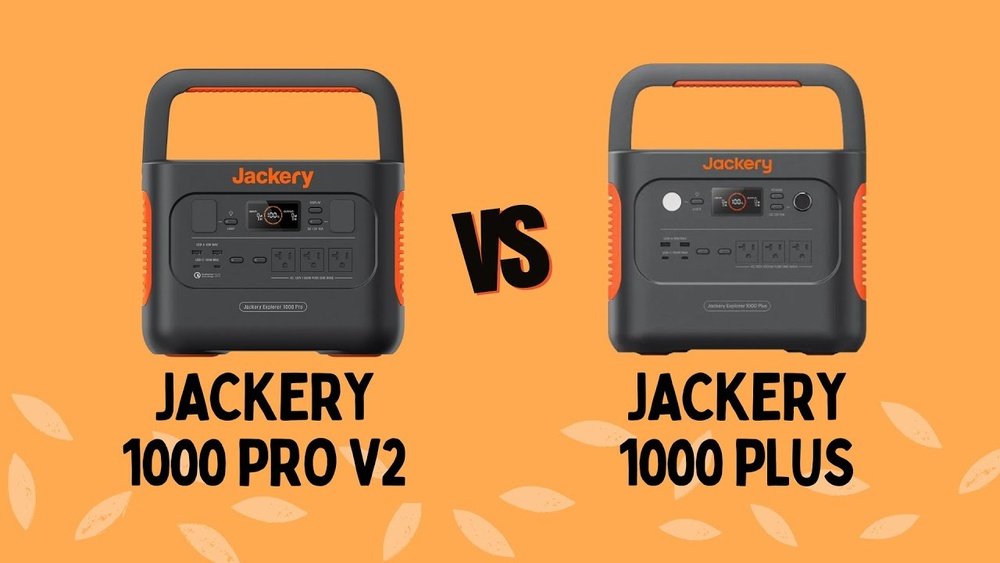
Jackery, Goal Zero, and Bluetti lead the solar generator market. Jackery offers reliable, compact units with good battery life. Goal Zero models focus on durability and easy use. Bluetti provides high-capacity generators for longer heating times. Each brand suits different power and size requirements.
Feature Comparisons
Battery capacity varies from 150Wh to over 2000Wh. Higher capacity means longer heater run time. Look for pure sine wave inverters to protect heaters. Multiple output ports add flexibility for other devices. Weight and size matter for portability and storage. LCD screens help monitor power levels clearly.
Price Ranges
Entry-level solar generators cost around $200 to $500. Mid-range models range from $500 to $1,200. High-capacity units may cost $1,200 or more. Price depends on battery size, inverter quality, and brand. Balance budget with power needs for best value.
Safety Considerations
Using a solar generator to power a space heater requires careful safety checks. Space heaters use a lot of power, and solar generators have limits. Safety matters a lot to avoid accidents and damage. Follow these key safety points for safe and smooth use.
Electrical Safety
Check the solar generator’s wattage before connecting a space heater. Space heaters often need more power than the generator can supply. Overloading can cause sparks or damage. Use a generator with enough capacity for your heater’s needs. Always inspect cables and plugs for damage. Avoid water near electrical parts. Turn off the generator before plugging or unplugging the heater.
Proper Ventilation
Space heaters produce heat that needs room to spread safely. Place the heater in a well-ventilated area. Avoid using the heater in small, closed spaces. Keep flammable materials away from the heater. Proper airflow helps prevent overheating and fire risks. Never block air vents on the heater or generator.
Maintenance Practices
Regularly clean and check your solar generator and heater. Dust and dirt can cause overheating. Inspect batteries and connections for wear or damage. Replace worn parts immediately. Store the generator and heater in dry, cool places. Routine checks keep devices running safely and efficiently.

Credit: shopsolarkits.com
Frequently Asked Questions
Can A Solar Generator Run A Space Heater Efficiently?
Yes, a solar generator can power a space heater if the generator’s capacity matches the heater’s wattage. Space heaters typically require 750 to 1500 watts. Ensure your solar generator can supply continuous power at this level for efficient operation.
How Long Can A Solar Generator Power A Space Heater?
The runtime depends on the solar generator’s battery capacity and heater wattage. For example, a 1500Wh battery powering a 1500W heater will last about one hour. Larger batteries or lower wattage heaters extend the runtime significantly.
What Size Solar Generator Is Needed For A Space Heater?
Choose a solar generator with a continuous output of at least 1500 watts for most space heaters. Also, select one with a large battery capacity to maintain longer heating periods during use.
Are Solar Generators Better Than Gas For Heating?
Solar generators are cleaner and quieter but may have limited runtime. Gas generators provide longer heating but emit fumes and noise. Solar is eco-friendly and cost-effective for short-term or emergency heating needs.
Conclusion
Solar generators can power space heaters, but with limits. Choose a generator with enough wattage for the heater. Keep in mind, space heaters use a lot of energy. Run times may be short if the generator is small. Solar panels need good sunlight to recharge the battery.
This setup works best for small spaces or short use. Planning and understanding power needs help avoid surprises. Solar generators offer a quiet, clean way to heat when used right. Consider your heater’s power and your solar setup carefully.