Are Solar Panels Worth It In Texas
The Texas sun is powerful. Drive through almost any Texas neighborhood today, and you’ll notice more rooftops sparkling with solar panels than ever before. People across the Lone Star State are asking a big question: Are solar panels worth it in Texas? The answer is not simple. It depends on your electric bills, your roof, the weather, government incentives, and even your utility company.
Understanding if solar is a smart investment in Texas means looking deeper than headlines or quick sales pitches. Electricity prices, state policies, home values, and climate all play a part. And while the idea of free sunshine turning into energy is appealing, making the right decision takes real knowledge.
This guide breaks down everything you need to know. You’ll get clear numbers, learn about costs and savings, and see how Texas compares to other states. By the end, you’ll know if solar panels are a wise move for your home or business.
How Solar Panels Work In Texas
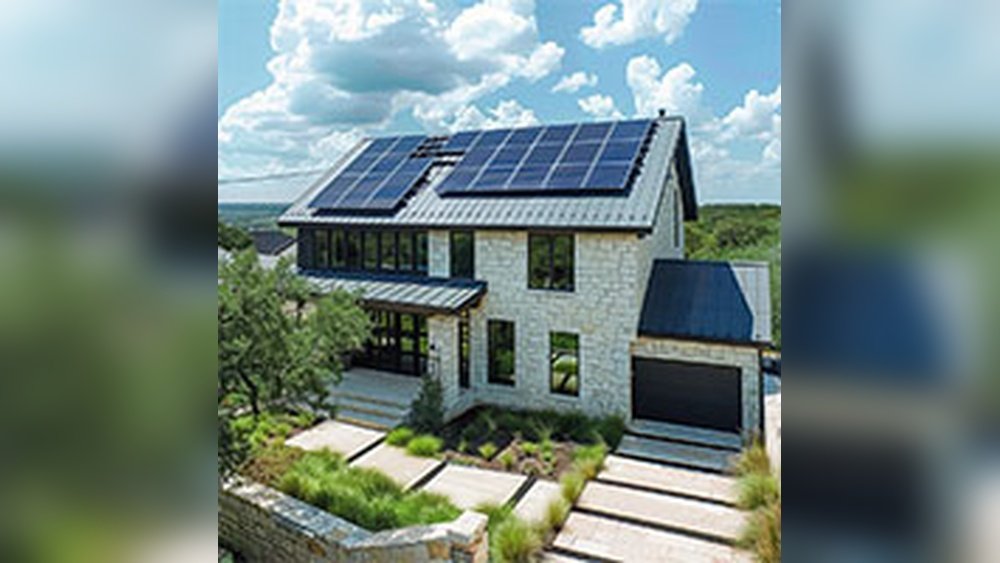
Solar panels capture sunlight and convert it into electricity. In Texas, these systems are especially effective because the state gets a lot of sunshine. Most solar panels are installed on rooftops, but they can also be placed on the ground if there is enough space.
A solar system usually includes:
- Photovoltaic panels (the parts that gather sunlight)
- Inverter (changes DC to AC so your home can use the power)
- Mounting system (holds the panels in place)
- Battery storage (optional, keeps extra power for later use)
When the sun shines, panels generate electricity. If you create more power than you use, the extra can be sent back to the grid or stored in batteries. At night or on cloudy days, you use power from the grid or your battery.
Texas utilities handle solar power in two main ways: some offer “net metering” (you get credit for extra power you send to the grid), while others pay you a set rate for your electricity.
Texas Sunlight: The Key To Solar Value
Texas is famous for its sunny days. In fact, Texas ranks among the top states for solar potential. On average, most parts of Texas get between 200 and 300 sunny days per year. This means solar panels in Texas can produce a lot more energy compared to cloudier states.
Let’s compare average annual sunlight hours:
| City | Annual Sunlight Hours |
|---|---|
| Dallas | 2,850 |
| Houston | 2,630 |
| El Paso | 3,800 |
| Seattle (for comparison) | 2,170 |
This sunlight means solar panels in Texas can generate more electricity, helping you save more money. However, the exact savings depend on how much electricity you use and how well your panels are installed.
Cost Of Solar Panels In Texas
Before deciding on solar, most people want to know: How much does it cost? The price for a solar system can change based on the size of your house, the type of panels, and where you live. In 2024, here’s what you can expect:
- Average system size for a home: 7 kW
- Average total installed cost: $2.30 – $3.00 per watt before incentives
- Typical total cost (7 kW system): $16,100 – $21,000 before incentives
The price per watt is slightly lower than the national average, mostly because Texas has a large, competitive solar market and cheaper labor.
Incentives Can Lower Your Cost
Many Texans pay much less than the sticker price because of incentives. The most important is the federal Investment Tax Credit (ITC), which reduces your federal taxes by 30% of the system cost. Some cities and utilities offer extra rebates.
Here’s how incentives affect a typical solar system:
| System Size | Before Incentives | After 30% Federal Credit |
|---|---|---|
| 7 kW | $18,900 | $13,230 |
| 10 kW | $27,000 | $18,900 |
Non-obvious tip: Some local Texas utilities quietly offer extra rebates. For example, Austin Energy offers up to $2,500 in additional rebates for solar installations. These programs may not be widely advertised, so it’s worth asking your local utility directly.
How Much Money Can You Save?
The main reason people install solar panels is to save on electricity. But how much can you really save in Texas?
Let’s look at a real-world example:
- Average Texas household electric bill: $150/month
- Estimated solar system output: Covers 80% of usage
- Annual savings: $1,440 (80% of $150 × 12 months)
Over 25 years (the typical warranty period), that’s $36,000 in savings, not counting electric rate increases, which can make savings even higher.
Factors That Impact Your Savings
- Electricity rates: If rates rise, your savings increase. Texas rates have been rising slowly, but there is a lot of variation by region.
- System size: Bigger systems save more, but also cost more up front.
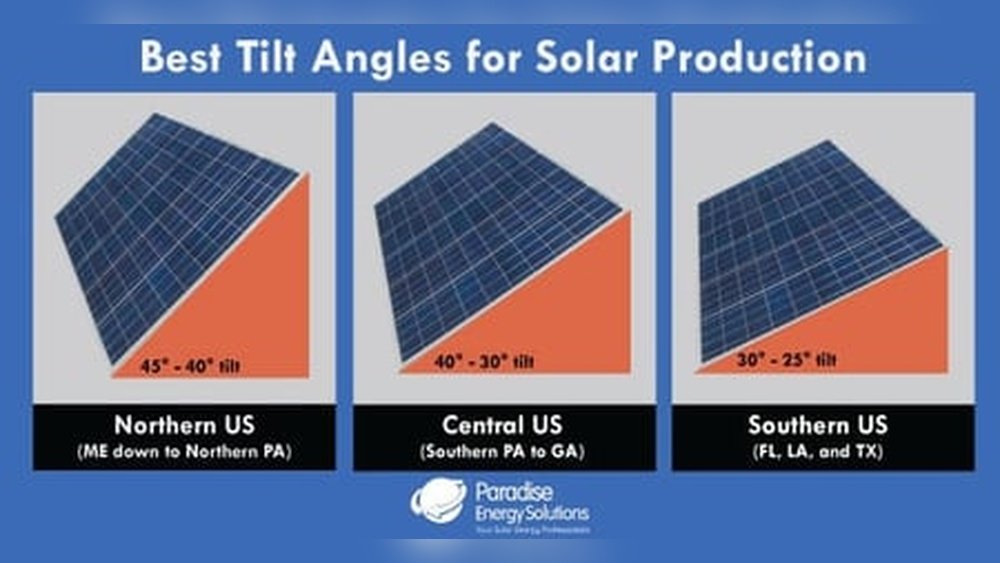
- Roof direction and shading: South-facing, unshaded roofs generate the most power.
- Incentives: The more rebates and credits you get, the quicker your system pays for itself.
- Net metering or buyback rates: Some utilities pay you more for your extra solar, others less.
Example: If you live in El Paso (with more sun) and high rates, your savings could be much higher than someone in Houston with a shaded roof and lower rates.
How Long Until Solar Panels Pay For Themselves?
This is called the payback period—the number of years it takes for your energy savings to equal the cost of your solar system.
In Texas, the typical solar payback period is 8 to 12 years. After that, the electricity your panels generate is basically free for the rest of their life (usually at least 25 years).
Calculation Example:
- System cost after incentives: $13,000
- Annual electric bill savings: $1,400
- Payback period: $13,000 ÷ $1,400 = 9.3 years
After this, you keep saving money every year.
Insight: Many people overlook maintenance costs. While solar panels need little care, you should budget a small amount ($150–$300 per year) for cleaning and potential inverter replacement after 10-15 years.
Solar Incentives And Rebates In Texas
Texas does not have a statewide solar tax credit, but there are several ways to make solar cheaper.
Federal Solar Tax Credit
The federal Investment Tax Credit (ITC) covers 30% of the total system cost. If your solar panels cost $18,000, you get a $5,400 tax credit.
- Applies to both homes and businesses
- Can carry unused credit forward to future years
Local Utility Rebates
Many Texas cities and utilities offer extra incentives. Some examples:
- Austin Energy: Up to $2,500 rebate for residential solar
- CPS Energy (San Antonio): $2,500–$3,000 per installation
- Oncor (Dallas/Fort Worth): Up to $8,500 for certain installations
These rebates usually require using approved installers and meeting certain quality standards.
Property Tax Exemption
Texas law gives a 100% property tax exemption for the value added by solar panels. If your solar system increases your home’s value, you won’t pay extra property taxes on that increase.
Sales Tax Exemption
Solar panels in Texas are sales tax-exempt. This saves you about 6–8% of the system cost.
Non-obvious insight: Some homeowners mistakenly think they need to apply for the property tax exemption themselves. In most cases, your installer or county will help with this paperwork, but it’s wise to confirm the exemption is applied.
Solar Panel Performance In Texas Weather
Texas has hot summers, strong winds, hail, and sometimes hurricanes. People often worry if solar panels can handle the state’s extreme weather.
Heat
Solar panels actually produce a bit less power when it’s very hot. However, Texas panels still generate a lot because of long, sunny days. Most panels are tested to work well up to 185°F (85°C).
Hail
Modern solar panels are built to survive hail up to 1 inch in diameter at 50 mph. Texas does get hail, but widespread damage is rare. In fact, insurance claims for roof damage are much more common than for solar panels.
Tip: Check your homeowner’s insurance to make sure solar panels are covered. Most policies include them as part of your roof.
Wind And Hurricanes
Panels are mounted to handle high winds. In coastal areas, installers use special mounting hardware rated for hurricane-force winds.
Drought And Dust
Texas can be dusty. A dirty panel can lose 10–15% of its output. Cleaning your panels once or twice a year is usually enough.
Example: In West Texas, a quick rinse after a dust storm can boost output right away.
Comparing Texas To Other States
How does Texas stack up for solar compared to other places? Let’s compare three states:
| State | Avg. System Cost (after incentives) | Avg. Payback Period | Annual Sunlight Hours | Net Metering? |
|---|---|---|---|---|
| Texas | $13,000 | 9 years | 2,800–3,800 | Depends on utility |
| California | $12,500 | 7 years | 2,900–3,000 | Yes (statewide) |
| Florida | $13,800 | 10 years | 2,900 | Yes (statewide) |
Texas has more sun than most states, but the lack of a statewide net metering law means savings can be higher or lower depending on your utility. In some Texas cities, the payback period is as short as in California, especially where local rebates are strong.
Net Metering And Electricity Buyback In Texas
Net metering allows you to send extra electricity from your panels back to the grid and get credits on your bill. Texas does not have a statewide net metering policy. Instead, it depends on your utility company.
Utilities That Offer Net Metering Or Buyback
- Austin Energy: Yes, credits at retail rates.
- CPS Energy: Yes, with limitations.
- Oncor: No, but some retail electric providers (REPs) offer buyback plans.
- CenterPoint (Houston): No, but some REPs offer buyback.
Retail Electric Providers (REPs) in deregulated markets may offer “solar buyback” plans. These pay you for extra power, but rates can change and may be less than what you pay to buy power.
Insider tip: Some buyback programs only pay you for net excess at the end of the month. If your system is sized to cover exactly your usage, you maximize value. Oversizing can mean you “give away” extra power for free.
Solar Panel Types And Choosing The Right System
There are three main types of solar panels:
- Monocrystalline: Most efficient, long-lasting, and popular in Texas.
- Polycrystalline: Slightly cheaper, but less efficient.
- Thin-film: Best for large commercial roofs, not common for homes.
Monocrystalline panels are the most common for Texas homes due to high efficiency and good performance in heat.
How To Choose The Right System
- Roof size and shape: Not all roofs are equal. Complex roofs might fit fewer panels.
- Shading: Trees, chimneys, or nearby buildings can block sun.
- Orientation: South-facing is best. East or west still works, but with less output.
- Warranty: Look for at least a 25-year warranty on panels.
- Inverter type: Microinverters work better on roofs with shade.
Non-obvious mistake: Some homeowners buy the biggest system possible without considering their electric bill or buyback policy. If you produce more than you use, you may not get paid for extra electricity.

Credit: sunshinerenewable.com
Installing Solar Panels: What To Expect
The Installation Process
- Site assessment: Installer checks your roof, electric panel, and sunlight.
- System design: Detailed plan for panel layout, wiring, and permits.
- Permitting: City or county must approve plans.
- Installation: Usually 1-2 days for most homes.
- Inspection: Local inspector and utility check the system.
- Activation: System is turned on, and you start producing power.
Finding A Good Installer
- Experience: Choose installers with 3+ years in Texas.
- Certifications: Look for NABCEP certification.
- References: Ask for past customers, especially in your city.
- Warranty: Ensure parts and labor are covered.
Practical tip: Get at least three quotes. Prices and system designs can vary a lot.
Financing Your Solar System
Solar panels are a big investment, but you don’t have to pay all at once. Here are the main ways to finance:
Cash Purchase
- Lowest total cost over system life
- Best return on investment (ROI)
- You own the system and get all incentives
Solar Loans
- Fixed or variable rates
- $0 down options available
- Monthly payments often less than your old electric bill
Leases And Power Purchase Agreements (ppas)
- You pay a monthly fee or buy power from the system owner
- Lower upfront cost, but fewer savings
- Not as common in Texas as in other states
Non-obvious insight: Some loans have high dealer fees hidden in the price. Ask for the “cash price” and “loan price” to see the real difference.
Solar And Home Value In Texas
Adding solar panels can increase your home value. Studies show homes with solar sell for about 4% more on average.
- If your home is worth $350,000, solar could add $14,000 in value.
- Homes with solar often sell faster.
Appraisal And Resale Considerations
- Appraisers in Texas are now trained to value solar panels.
- Make sure the system is owned, not leased, to get the full value.
Tip: Save your solar paperwork. Buyers and appraisers want to see warranties, production estimates, and electric bills.
Maintenance And Lifespan Of Solar Panels
Solar panels are low-maintenance. Here’s what you need to know:
- Cleaning: Once or twice a year, unless you live in a very dusty area.
- Inverter replacement: Inverters may need replacing after 10-15 years.
- Monitoring: Most systems have apps to watch your power output.
- Warranty: Panels usually have a 25-year power warranty.
Common mistake: Ignoring output drops. If your system starts producing much less power, contact your installer for a checkup.

Credit: www.energytexas.com
Environmental Impact Of Solar In Texas
Texas is a major oil and gas state, but solar power is growing fast. Solar panels help reduce pollution and carbon emissions.
- A typical Texas solar system offsets about 7–10 tons of CO₂ per year.
- Over 25 years, that’s equal to planting about 1,800 trees.
By using solar, you also help reduce demand on the grid, which can lower stress during heatwaves.
Non-obvious benefit: Home solar can help prevent blackouts. When many homes produce their own power, the grid is less likely to fail during high demand.
Common Myths About Solar Panels In Texas
“solar Panels Don’t Work In Hot Texas Summers.”
False. While panels are a bit less efficient when hot, Texas gets so much sun that they still produce plenty of power.
“solar Is Only For The Rich.”
No. With loans and incentives, many middle-class families can go solar with little or no money down.
“solar Panels Damage Your Roof.”
Installed correctly, solar panels can actually protect your roof from sun and weather.
“solar Doesn’t Work When The Power Goes Out.”
Most grid-tied systems shut off during outages for safety. Battery backup systems can keep your lights on during a blackout.
“texas Doesn’t Have Good Solar Incentives.”
Texas lacks a statewide program, but some cities offer generous rebates. The federal tax credit is also very valuable.
Who Should (and Shouldn’t) Get Solar Panels In Texas?
Solar Is A Good Fit If:
- You own your home
- Your roof gets lots of sun (south, east, or west-facing)
- Your electric bill is $100/month or more
- You plan to live in your home for at least 5–7 years
Solar May Not Be Right If:
- You rent your home
- Your roof is shaded most of the day
- You plan to move soon
- Your electric bill is very low
Non-obvious scenario: Even if your roof is shaded, you might be able to install solar on a garage, carport, or ground mount. Ask installers about creative solutions.
Real-world Examples Of Texas Solar Owners
Maria In San Antonio
Maria installed a 6 kW system in 2018. Her electric bills went from $140/month to $25/month. CPS Energy gave her a $2,800 rebate, and she got the federal tax credit. Her system will pay for itself in about 7 years.
The Johnsons In Dallas
The Johnson family put up a 10 kW system with battery backup. Their total cost was $22,000 after incentives. They now have backup power during storms and save about $1,900 per year. Their payback period is 11 years, but they value the peace of mind during outages.
Mark In Houston
Mark’s home is shaded by large trees, so he installed solar on his detached garage. He covers about 60% of his usage and still saves $900 per year.
Potential Downsides Of Solar In Texas
While solar has many benefits, it’s not perfect. Here are some challenges:
- Upfront cost can be high, even with incentives
- Roof repairs are harder if panels are in the way
- Savings depend on your electric utility’s policies
- Hail or wind can damage panels, though this is rare
- Some HOAs have strict rules (but Texas law usually protects your right to install solar)
Practical advice: Read your utility and HOA rules before signing a solar contract.
How To Get Started With Solar In Texas
- Check your roof: Is it sunny most of the day? In good shape? Not too old?
- Collect your electric bills: Look at your last 12 months of usage.
- Get multiple quotes: Ask for detailed proposals from at least three installers.
- Ask about incentives: Make sure you get all rebates and credits.
- Read the fine print: Understand warranties, financing, and what happens if you move.
- Confirm utility rules: Know how you’ll be credited for extra power.
- Schedule installation: Once you pick an installer, the process usually takes 1-3 months.
Non-obvious step: Ask installers if you need a new roof before installing. It’s cheaper to replace the roof before, not after, solar panels are installed.
The Future Of Solar In Texas
Solar is growing fast in Texas. The state is now second in the U. S. for total solar installations, behind only California. Prices are dropping, and new technology like batteries and smart inverters are making solar even more valuable.
- By 2030, solar could supply 20% or more of Texas electricity.
- Battery storage will help more homes keep the lights on during blackouts.
- Community solar projects allow renters and people with shaded roofs to benefit from solar.
Interesting fact: Texas is also a leader in wind power. Combined, solar and wind could make Texas the green energy capital of the world.
Frequently Asked Questions
What Is The Average Cost Of Solar Panels In Texas?
The average installed cost for a home solar system in Texas is about $2.30 to $3.00 per watt before incentives. For a typical 7 kW system, this is $16,100 to $21,000. After the 30% federal tax credit, most homeowners pay between $11,000 and $15,000.
How Long Do Solar Panels Last In Texas?
Most solar panels come with a 25-year warranty and can last even longer. Output may drop slightly (about 0.5% per year), but panels often keep working for 30 years or more. Inverters may need replacement after 10-15 years.
Will Solar Panels Work During A Texas Power Outage?
Standard grid-tied solar panels shut off during outages for safety reasons. If you want your lights to stay on, you’ll need battery backup (like the Tesla Powerwall). With batteries, you can use stored solar power even when the grid is down.
Do Solar Panels Increase Home Value In Texas?
Yes. Studies show solar panels can increase home value by about 4%. Homes with solar often sell faster and for more money. The value is highest if you own the system, not lease it.
Where Can I Find More Information About Solar Incentives In Texas?
You can learn more about incentives, rebates, and policies for each city and utility at the Database of State Incentives for Renewables & Efficiency (DSIRE).
Solar panels are a smart investment for many Texans, but not for everyone. The key is to understand your own situation—your roof, electric bills, local incentives, and your plans for the future. Do your homework, get good advice, and you can enjoy cheaper, cleaner energy for decades to come.

Credit: www.arrowenergy.us