Are you trying to choose the best solar panel for your adventures or home backup? Renogy and Jackery are two big names that often come up, but which one is right for you?
Picking the wrong solar panel can mean wasted money and frustration. This guide will help you see the real differences so you can make a smart choice that fits your needs perfectly. Keep reading to find out which one will power your life better.

Credit: www.amazon.com
Brand Profiles
Understanding the background of each brand helps to see their strengths. Renogy and Jackery are two well-known names in solar power solutions. Both offer products that suit outdoor and home use. Their histories show different focuses and expertise in solar technology.
This section highlights the origins and key traits of Renogy and Jackery. It helps you know which brand fits your needs better.
Renogy Background
Renogy started in 2010 with a focus on renewable energy. The company aims to make solar power accessible and affordable. It offers a wide range of solar panels and accessories. Renogy products often target DIY enthusiasts and off-grid users. The brand is known for durable and efficient solar kits. It emphasizes quality and customer support in its products.
Jackery Background
Jackery was founded in 2012 and focuses on portable power solutions. It quickly gained attention for its solar generators and power stations. The brand serves campers, travelers, and emergency users. Jackery products are praised for ease of use and design. The company combines solar panels with battery packs. It aims to provide clean and reliable energy on the go.
Product Range
Choosing the right solar panel brand depends on the products offered. Both Renogy and Jackery provide various solar panels. Their product ranges serve different needs. This section explores what each brand offers.
Renogy Solar Panels
Renogy offers a wide range of solar panels. They include monocrystalline and polycrystalline panels. Renogy panels come in different wattages from 10W to 400W. Many panels are portable and designed for outdoor use. They also offer flexible solar panels. These panels fit curved surfaces like boats or RVs. Renogy focuses on panels for DIY solar projects and home use. Their products suit campers, hikers, and off-grid users. Renogy also sells solar kits that include panels, controllers, and cables.
Jackery Solar Panels
Jackery specializes in portable solar panels. Their panels mainly support power stations and small electronics. Jackery panels come in compact sizes for easy transport. Popular models include 100W and 200W foldable solar panels. These panels are lightweight and user-friendly. Jackery products focus on camping, travel, and emergency power. They do not offer large home solar panels. Jackery also provides solar generators that pair with their panels for complete power solutions.
Design And Build Quality
Design and build quality play a big role in choosing solar panels. These factors affect how well the panels perform and how long they last. Both Renogy and Jackery offer solid designs but differ in materials and strength. Understanding these differences helps pick the right panel for your needs.
Materials Used
Renogy solar panels use high-quality monocrystalline cells. These cells are efficient and good at capturing sunlight. Their frames are made of aluminum, which is light and strong. Jackery panels also use monocrystalline cells. The frame feels sturdy, with aluminum alloy that resists rust. Both brands use tempered glass to protect cells from damage. This glass is tough and clear, allowing sunlight to pass easily.
Durability And Weather Resistance
Renogy panels have a solid build to handle rain, snow, and wind. They come with an IP rating that shows they resist water and dust well. Jackery panels also offer good weather resistance. Their design keeps moisture out and handles sunlight without fading. Both brands focus on long-lasting panels that work in different weather. This makes them suitable for outdoor use in many conditions.
Performance Metrics
Performance metrics reveal how well solar panels work in real life. These numbers help you choose the best panel for your needs. Renogy and Jackery panels differ in key areas. Understanding these differences is important.
Power Output
Power output shows how much energy a panel can produce. Renogy panels often offer higher wattage options. Jackery panels focus on compact designs with moderate power. Higher wattage means more electricity for your devices. Choose based on your energy needs and space.
Efficiency Ratings
Efficiency ratings tell how well panels convert sunlight to electricity. Renogy panels usually have efficiency around 18-21%. Jackery panels range from 17-20%. Higher efficiency saves space and captures more sun. Good efficiency matters if you have limited room.
Charging Speed
Charging speed shows how fast panels fill batteries or devices. Renogy panels use strong technology for quicker charging. Jackery panels balance speed with portability. Faster charging means less wait time for power. Match charging speed with your daily energy use.
Portability And Ease Of Use
Portability and ease of use are key factors for solar panels. These features matter most for travelers, campers, and anyone who moves often. A solar panel that is easy to carry and quick to set up saves time and effort. It makes solar power accessible anywhere.
Weight And Size
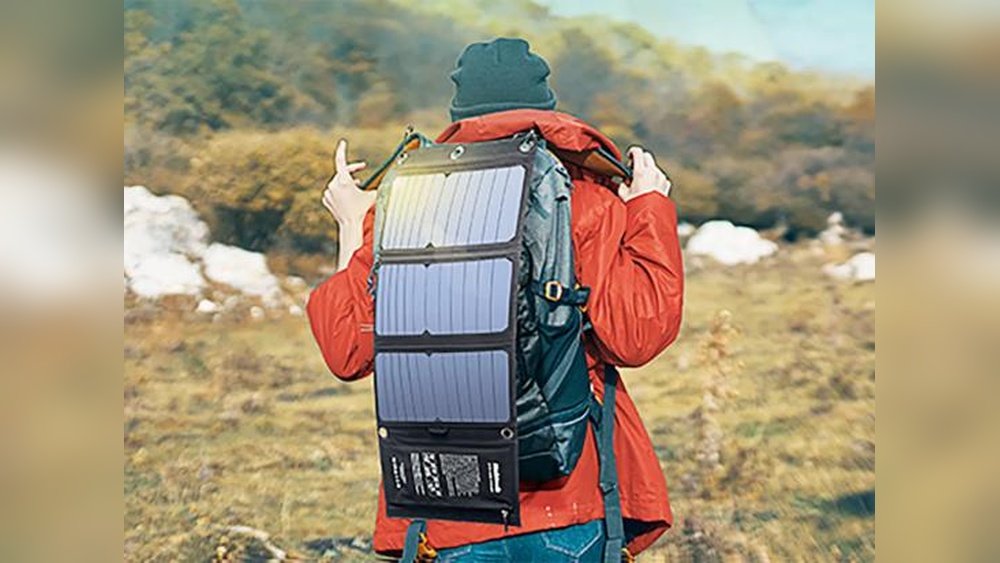
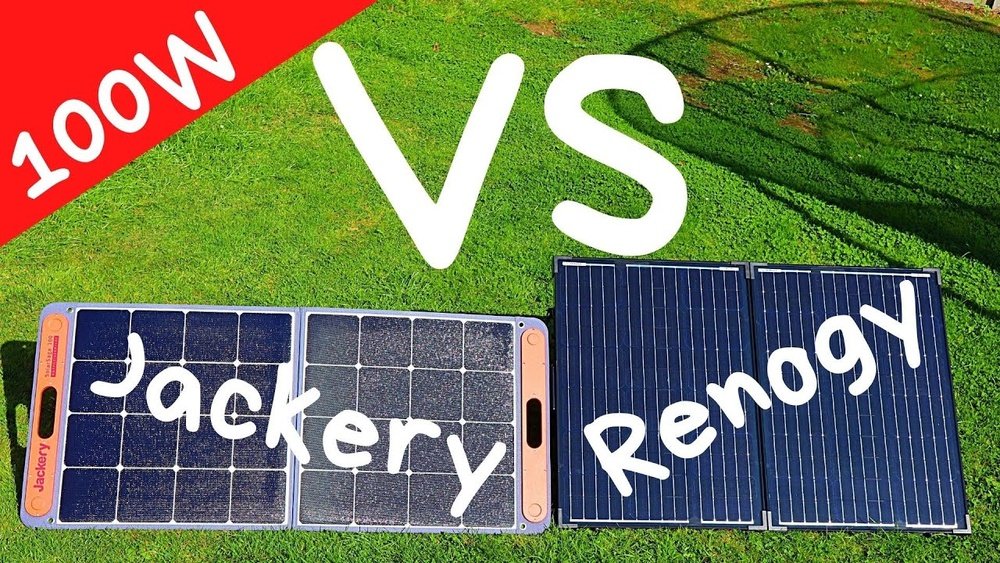
Renogy solar panels tend to be larger and heavier. They are great for fixed setups but less ideal for carrying around. Jackery panels are smaller and lighter. They fit easily into backpacks or car trunks. This makes Jackery a better choice for mobile use. Lightweight panels reduce strain and make transport simple. Size also affects storage space, which matters on trips.
Setup Process
Renogy panels require some assembly and connection steps. Users need to connect cables and position panels correctly. This may take extra time, especially for beginners. Jackery panels usually come as all-in-one units. They often have built-in stands and plug-and-play features. This makes setup fast and easy. Even those new to solar power can start quickly. Simple setup means less hassle and more energy on the go.

Credit: www.youtube.com
Compatibility And Connectivity
Compatibility and connectivity define how well solar panels work with other devices. This section explores how Renogy and Jackery solar panels fit with batteries and devices. It also covers the ways these panels connect for power transfer and monitoring.
Battery And Device Compatibility
Renogy solar panels support many battery types like lithium, AGM, and lead-acid. They work well with common battery brands and solar generators. Renogy panels suit home systems and outdoor gear.
Jackery solar panels pair mainly with Jackery power stations. They offer good synergy within Jackery’s product line. Jackery panels are ideal for portable use and camping.
Both brands provide versatile solutions but target different user needs. Renogy offers broader battery options. Jackery focuses on seamless integration with its own devices.
Connectivity Options
Renogy panels use standard MC4 connectors. These connectors link easily to many charge controllers and batteries. Renogy also supports Bluetooth for monitoring system status.
Jackery panels connect through proprietary plugs. These plugs fit only Jackery power stations. Jackery provides an app to check charging and battery health.
The choice depends on your setup. Renogy offers open compatibility with various devices. Jackery ensures simple, secure connections within its ecosystem.
Pricing And Value
Pricing and value play a big role in choosing the right solar panel. Buyers want to spend money wisely and get the best product. Both Renogy and Jackery offer solar panels with different price points and features. Understanding these differences helps buyers pick the best option for their needs.
Cost Comparison
Renogy solar panels generally have a lower price range. They suit budget-conscious buyers well. Jackery panels tend to cost more but offer compact and user-friendly designs. Renogy provides various sizes and power outputs to fit different budgets. Jackery focuses on portable solar solutions, which can raise the cost. Choosing depends on how you plan to use the panel and your budget limits.
Warranty And Support
Renogy offers a 25-year warranty on most solar panels. This long warranty shows confidence in product durability. Jackery usually provides a 2-year warranty on their solar panels and devices. Renogy also has a strong customer support team ready to help. Jackery’s support is good but may have shorter response times. Warranty length and support quality matter for peace of mind and long-term use.
User Feedback
User feedback reveals how Renogy and Jackery solar panels perform in real life. Reviews highlight strengths and weaknesses of each brand. They help buyers decide based on real experiences. Below are key points from users about both products.
Customer Reviews
Renogy users praise the panels for strong build quality. Many mention easy installation and good energy output. Customers like the variety of sizes available. Some say Renogy panels work well for home and outdoor use.
Jackery reviews focus on portability and compact design. Users appreciate how lightweight the panels are. Many find Jackery panels perfect for camping or travel. Battery integration with Jackery solar products gets positive notes too.
Common Issues
Some Renogy customers report slower charging in low sunlight. A few mention missing or unclear instructions. Occasional complaints about customer service response times appear.
Jackery users sometimes face lower power output than expected. Some find the panel size limits energy collection. A small number report issues with connectors or cables.
Best Use Cases
Choosing between Renogy and Jackery solar panels depends on your needs. Each brand offers unique features suited for different activities. Understanding the best use cases helps you pick the right one. Both work well for outdoor and emergency situations. They also support home and RV power needs. Let’s explore where each panel shines best.
Camping And Outdoor Activities
Renogy panels are lightweight and easy to carry. They fit well into backpacks and tents. They charge devices like phones and small gadgets fast. Jackery panels come with built-in batteries. This makes them handy for camping without direct sunlight. They can power small appliances like lights and fans. Both brands keep you connected outdoors.
Emergency Power Supply
Jackery excels in emergency power with portable battery packs. You can store energy for use during blackouts. Renogy panels offer strong solar input to recharge batteries quickly. They are good for longer-term emergencies. Both provide reliable power when the grid fails. Essential for safety and comfort in crises.
Home And Rv Use
Renogy panels are ideal for home solar setups. They scale well for larger power needs. Their kits fit well on rooftops and RVs. Jackery panels are portable and easy to move. Great for RV trips needing flexible power sources. Both brands help reduce reliance on fuel generators. Perfect for green energy lovers.
Future Trends
The future of solar panels from Renogy and Jackery shows exciting possibilities. Both brands work hard to improve their products. They aim to make solar energy easier and more efficient for everyone.
Advances in technology will help these companies offer better solar panels. These improvements will focus on power, portability, and durability. Users can expect smarter and more user-friendly solar solutions soon.
Upcoming Models
Renogy plans to launch panels with higher wattage and lighter designs. These models will be easier to carry for camping or emergency use. Jackery is also developing new panels that connect more easily with their power stations. Their future products will fit well in small spaces, perfect for urban users.
Technological Innovations
Both brands invest in new tech to boost panel efficiency. Renogy works on solar cells that convert sunlight more effectively. Jackery focuses on panels that charge faster and last longer. Smart features, like app control and real-time monitoring, are becoming common. These tech improvements make solar power more convenient and reliable.

Credit: www.icecreamfactoryny.com
Frequently Asked Questions
What Are The Main Differences Between Renogy And Jackery Solar Panels?
Renogy panels focus on high efficiency and customization for off-grid use. Jackery panels emphasize portability and ease of use with built-in power stations. Renogy suits fixed installations, while Jackery is ideal for travel and emergency power.
Which Brand Offers Better Efficiency In Solar Panels?
Renogy solar panels generally provide higher efficiency rates, reaching up to 21%. Jackery panels prioritize portability, with slightly lower efficiency but convenient integration with their power stations.
Are Renogy Or Jackery Panels Better For Camping Trips?
Jackery panels are better for camping due to their lightweight design and compatibility with portable power stations. Renogy panels are bulkier and better suited for permanent setups or RV installations.
Can I Use Renogy And Jackery Solar Panels Together?
Yes, you can combine Renogy and Jackery panels with appropriate inverters and charge controllers. However, ensure voltage and amperage compatibility for safe and efficient system performance.
Conclusion
Renogy and Jackery solar panels both offer solid choices for clean energy. Renogy suits users who want flexible setups and more customization. Jackery fits those who need easy-to-use, portable power solutions. Consider your budget, power needs, and how you plan to use the panels.
Think about size, weight, and charging speed too. Both brands have good reviews and reliable products. Choose the one that matches your lifestyle best. Solar power can save money and help the environment. Start with what feels right for your needs today.