Are you trying to decide between a solar generator and a gas generator for your power needs? Choosing the right generator can feel overwhelming, especially when you want something reliable, cost-effective, and easy to use.
This guide will help you understand the key differences so you can pick the best option for your home, outdoor adventures, or emergency backup. Keep reading, and you’ll discover which generator matches your lifestyle and saves you money in the long run.
Don’t miss out on making an informed choice that keeps your power running smoothly when you need it most.
Solar Generator Basics
Solar generators use sunlight to create electricity. They offer a clean and quiet power source. Many people choose them to avoid fuel and noise. These generators work well in places without easy access to power.
Understanding how solar generators work helps to see their benefits. They are simple to use and need little maintenance. These devices can power small appliances and charge devices during outages or outdoor trips.
How Solar Generators Work
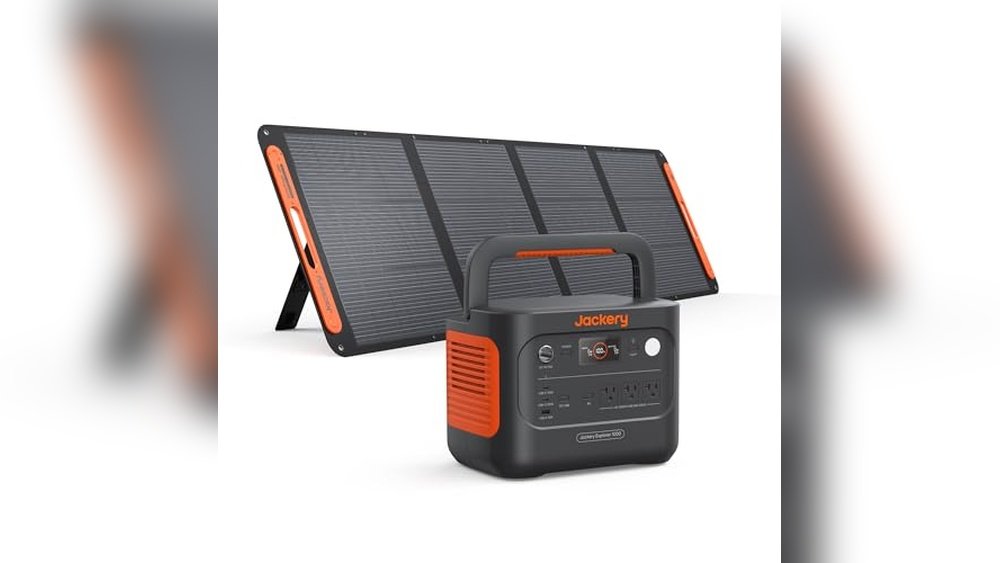
Solar panels collect sunlight and turn it into electricity. This energy is stored in a battery inside the generator. The battery supplies power to devices through outlets. The process is silent and does not produce fumes.
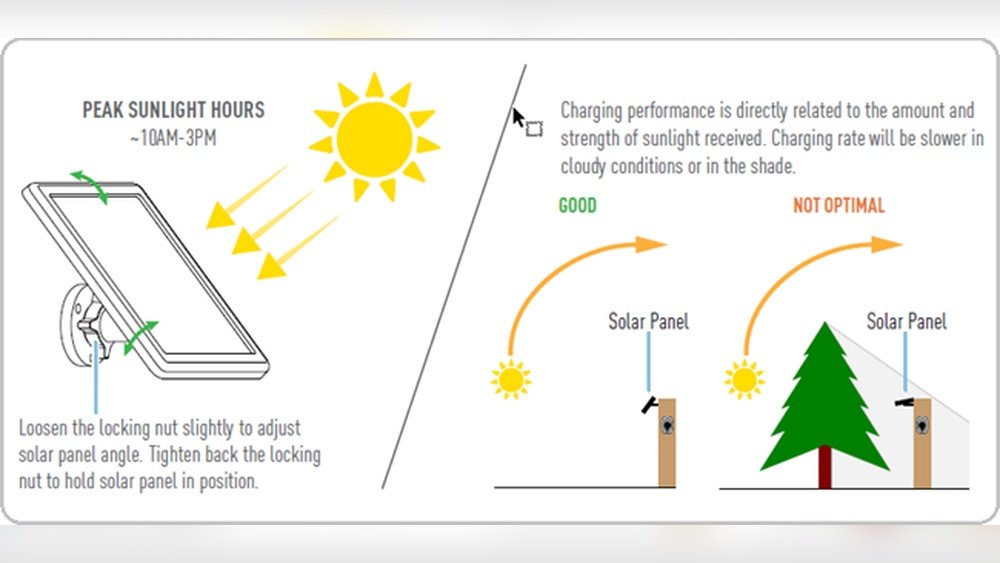
Solar generators depend on sunlight to recharge. On cloudy days, they may need longer to charge fully. Some models include an option to plug in for backup charging.
Key Components Of Solar Generators
The main parts include solar panels, a battery, and an inverter. Solar panels capture sunlight and create direct current (DC) electricity. The battery stores this energy for later use. The inverter changes DC into alternating current (AC) for devices.
Other parts may include a charge controller to manage power flow. These components work together to provide steady and safe electricity.
Common Uses And Applications
Solar generators power small electronics, lights, and tools. They are popular for camping, hiking, and outdoor events. Many use them at home during power outages.
They also work well in remote areas without electrical grids. Solar generators offer a reliable option for clean energy in many situations.
Credit: vtoman.com
Gas Generator Essentials
Gas generators are common power sources for many households and businesses. They run on gasoline or propane and produce electricity by burning fuel. These generators are reliable and can provide power during outages or in places without electricity.
Understanding how gas generators work helps you decide if they suit your needs. Knowing their parts and typical uses makes it easier to compare them with solar generators.
Operation Of Gas Generators
Gas generators create power by burning fuel in an engine. The engine turns a rotor inside the generator. This movement produces electricity. The process is fast, giving power almost instantly.
Users start the generator with a pull or electric switch. Fuel burns in the engine, and the generator converts mechanical energy to electrical energy. The power then flows to connected devices or outlets.
Main Parts Of Gas Generators
A gas generator has several important parts. The engine burns the fuel to create motion. The alternator turns this motion into electricity. The fuel tank stores the gasoline or propane.
Other parts include the voltage regulator, which keeps power steady, and the control panel, where users start and monitor the generator. The exhaust system removes harmful gases safely.
Typical Use Cases
Gas generators are useful in many situations. They power homes during blackouts. They also supply electricity at construction sites where no power lines exist.
Outdoor events, camping, and emergency situations often rely on gas generators. They can run most household appliances and tools. Their portability and quick start make them a practical choice.
Power Efficiency Comparison
Comparing power efficiency between solar generators and gas generators helps choose the right option. Efficiency means how well the generator uses fuel or energy to produce power. This affects cost, convenience, and environmental impact.
Below are key points about energy output, fuel needs, and runtime for both types.
Energy Output And Consumption
Gas generators produce high energy quickly. They can power large devices easily. But they use fuel constantly, which can be costly. Solar generators use sunlight to create power. Their output depends on weather and sunlight hours. They consume no fuel, only the sun’s energy.
Fuel And Resource Requirements
Gas generators need gasoline or diesel. These fuels must be bought and stored safely. Fuel quality affects performance and pollution. Solar generators need solar panels and batteries. After setup, sunlight is free and clean. No fuel refills or storage needed.
Runtime And Reliability
Gas generators run as long as fuel lasts. They work anytime, day or night. Solar generators run only when solar power is stored. Cloudy days can reduce runtime. Batteries limit how long they work without sun. Gas models are reliable but noisier and pollute. Solar models are quiet and eco-friendly but depend on sunlight.

Credit: www.youtube.com
Environmental Impact
The environmental impact is a key factor in choosing between solar and gas generators. These devices affect the planet in very different ways. Understanding their impact helps make a better choice for the environment and future generations.
Emissions And Pollution
Gas generators burn fossil fuels. This process releases carbon dioxide and harmful gases. These gases contribute to air pollution and global warming. Solar generators produce no emissions during use. They rely on sunlight, a clean energy source. This makes solar generators much better for air quality.
Renewability And Sustainability
Gas generators depend on non-renewable fuels. These fuels run out and damage the earth during extraction. Solar generators use sunlight, which is unlimited. They do not consume resources or cause harm to nature. Solar power supports a sustainable and eco-friendly lifestyle.
Noise And Heat Generation
Gas generators create loud noise and heat. This noise can disturb wildlife and people. The heat adds to local temperature increases. Solar generators operate silently without heat output. This makes them suitable for quiet and sensitive environments.
Cost Analysis
Cost plays a key role in choosing between a solar generator and a gas generator. Understanding the costs involved helps make a smart decision. This section breaks down the expenses into three parts. Each part shows how costs affect your budget over time.
Initial Purchase Price
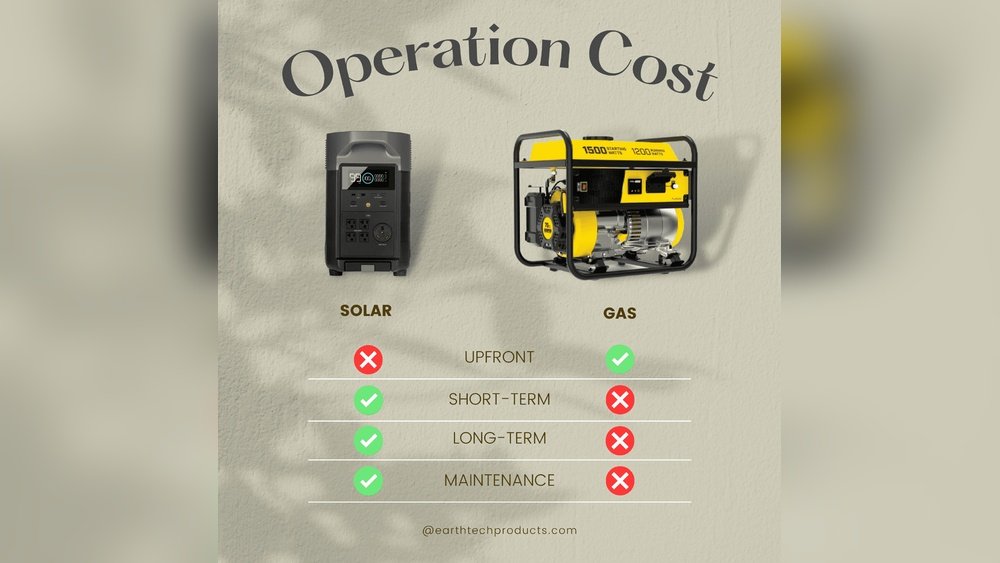
Solar generators usually cost more upfront. Their technology and batteries add to the price. Gas generators are cheaper to buy at first. You pay less to get started with gas models. Price varies by size and power output for both types.
Operating And Maintenance Costs
Solar generators have almost no fuel cost. They use sunlight, which is free. Maintenance is low because they have fewer moving parts. Gas generators need fuel like gasoline or propane. Fuel costs add up over time. They also require regular oil changes and tune-ups.
Long-term Value
Solar generators save money over many years. No fuel bills and low maintenance make them cost-effective. They also last longer and work quietly. Gas generators cost more over time due to fuel and repairs. They may wear out faster with heavy use. Solar offers better value if used often.
Portability And Convenience
Portability and convenience play a big role in choosing between a solar generator and a gas generator. These factors affect how easy it is to move, set up, and use the generator in different places. Both types offer unique benefits and challenges in these areas.
Weight And Size Considerations
Solar generators are usually lighter and smaller than gas generators. They often come in compact designs that fit into car trunks or small storage spaces. Gas generators tend to be bulkier and heavier. Their size depends on power output and fuel tank capacity. Carrying a gas generator may require more effort and space.
Setup And Mobility
Solar generators need little setup. Just place them under sunlight or connect to solar panels. No fuel or complex parts. Gas generators need fuel filling and engine checks. They produce noise and fumes, limiting where you can use them. Moving a gas generator can be tricky, especially on rough ground. Solar units often have handles or wheels for easy transport.
User-friendliness
Solar generators are simple to use with few buttons and no fuel to manage. They start quietly and require minimal maintenance. Gas generators need more care, including regular oil checks and refueling. Starting a gas generator can be noisy and sometimes difficult. Solar models offer quiet, hassle-free operation, perfect for beginners or quiet environments.
Safety Factors
Safety is a key factor when choosing between solar and gas generators. Each type has unique risks and precautions. Understanding these can help you use the generator safely and avoid accidents. Let’s explore the main safety concerns for both solar and gas generators.
Fire And Explosion Risks
Gas generators run on fuel, which is flammable. This creates a risk of fire or explosion if the fuel leaks or spills. Sparks or heat near the fuel can ignite fires. Solar generators do not use fuel, so they have almost no fire or explosion risk. They are safer to use indoors or near flammable materials.
Handling And Storage
Gas generators require careful handling of fuel. Gasoline must be stored in approved containers and kept away from heat. Improper storage can cause dangerous fumes or spills. Solar generators need less attention. They store energy in batteries, which should be kept dry and cool. Batteries can be damaged if exposed to water or extreme heat.
Operational Hazards
Gas generators produce carbon monoxide, a deadly gas. They must be used outside, away from windows and doors. Poor ventilation is a serious hazard. Solar generators do not emit gases and can be used indoors safely. Both types can cause electric shock if not handled properly. Always follow safety instructions and use the right cables and plugs.
Best Scenarios For Each Generator
Choosing the right generator depends on your needs and environment. Each type suits different situations. Understanding the best scenarios helps you pick the right one.
Ideal Conditions For Solar Generators
Solar generators work best in sunny places. They need sunlight to create power. Perfect for camping trips and outdoor activities. Great for homes with solar panels. Quiet operation makes them good for noise-sensitive areas. They require less maintenance than gas models.
When Gas Generators Shine
Gas generators excel during power outages. They provide strong, steady power quickly. Useful for heavy-duty appliances and tools. Work well in cloudy or rainy weather. Easy to refuel and run for long hours. Ideal for construction sites and emergency backup.
Hybrid And Backup Options
Some setups combine solar and gas generators. Use solar first, then gas as backup. This extends power availability and saves fuel. Good for remote locations with mixed weather. Offers flexibility for both short and long power needs. Helps reduce emissions while ensuring reliability.

Credit: leelineenergy.com
Frequently Asked Questions
What Are The Main Differences Between Solar And Gas Generators?
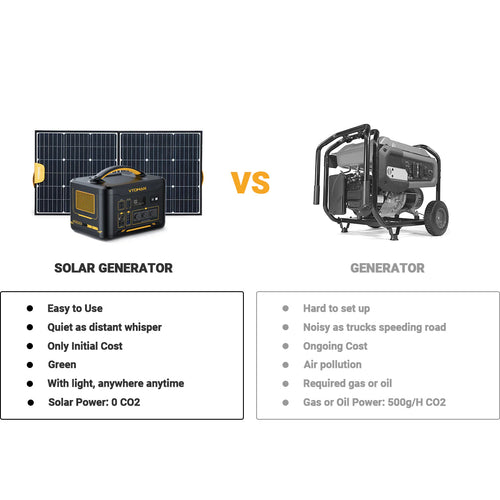
Solar generators use sunlight to produce electricity, while gas generators burn fuel. Solar is eco-friendly and quiet; gas is noisy but powerful and reliable.
Are Solar Generators Better For Outdoor Use Than Gas Ones?
Yes, solar generators are ideal outdoors due to silent operation and no fumes. Gas generators emit noise and exhaust, making them less suitable for camping or parks.
How Do Operating Costs Compare For Solar And Gas Generators?
Solar generators have low operating costs as sunlight is free. Gas generators require constant fuel purchase, increasing long-term expenses and maintenance costs.
Which Generator Type Is More Environmentally Friendly?
Solar generators are clean, producing no emissions during use. Gas generators emit greenhouse gases and pollutants, negatively impacting air quality and the environment.
Conclusion
Choosing between a solar generator and a gas generator depends on your needs. Solar generators run quietly and use clean energy from the sun. Gas generators offer strong power but need fuel and make noise. Think about where you will use it and how often.
Solar works best for long-term, eco-friendly use. Gas is good for quick, powerful energy. Both have pros and cons. Pick what fits your lifestyle and budget. Simple and smart choices lead to better results.