Choosing the right battery for your solar setup can feel overwhelming. You’ve probably heard about Lifepo4 and Lithium Ion batteries, but which one truly fits your needs?
Your solar system’s performance, lifespan, and safety depend on this choice. Imagine having a battery that powers your home efficiently, lasts longer, and keeps you worry-free. This article will break down the key differences between Lifepo4 and Lithium Ion solar batteries, helping you make a smart decision that benefits your energy goals and your wallet.
Keep reading to find out which battery matches your lifestyle and why it matters more than you think.
Battery Chemistry Basics
Batteries power solar energy systems by storing electricity for later use. The chemistry inside each battery type affects its performance, lifespan, and safety. Understanding basic battery chemistry helps choose the right solar battery. Two popular types are LiFePO4 and Lithium Ion. Each has unique chemical structures and behaviors.
Lifepo4 Fundamentals
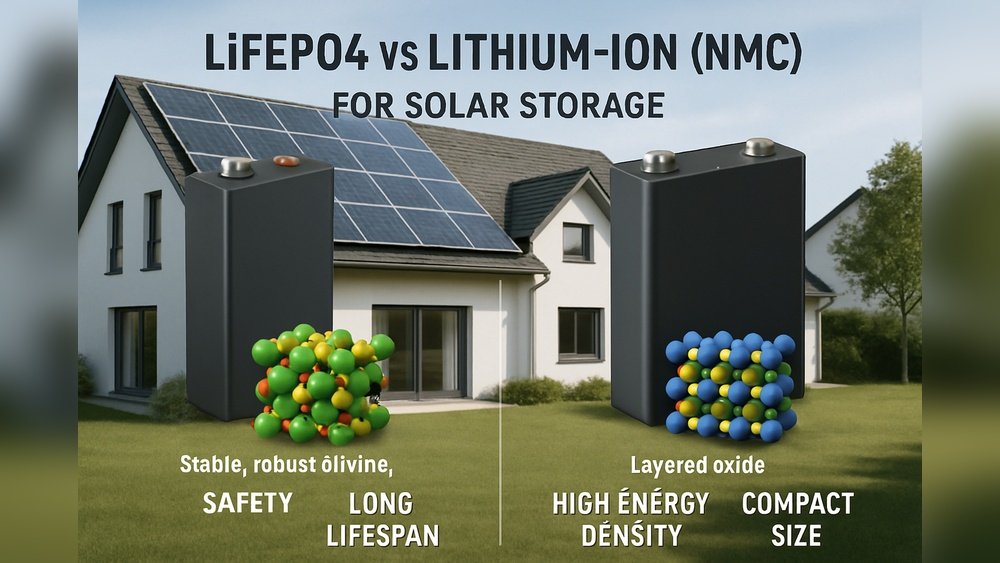
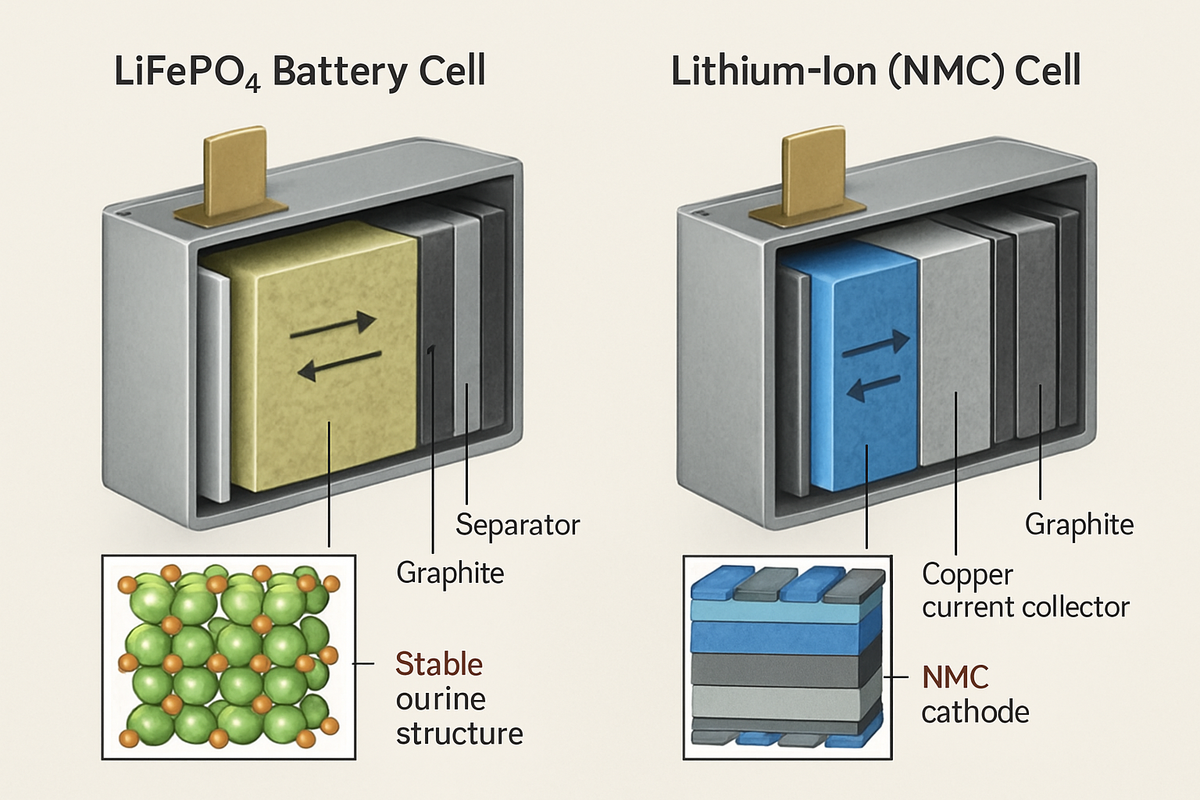
LiFePO4 stands for lithium iron phosphate. It uses iron and phosphate in its cathode. This chemistry creates a stable and safe battery. LiFePO4 batteries resist overheating and do not catch fire easily. They last longer with more charge cycles. These batteries maintain steady voltage during discharge. They suit solar systems needing reliable, safe power storage.
Lithium Ion Essentials
Lithium Ion batteries use lithium cobalt oxide or other materials in cathodes. They offer high energy density and lighter weight. These batteries charge quickly and hold more power per weight. They are common in smartphones and electric cars. Lithium Ion batteries can overheat if damaged or overcharged. Proper management systems are needed to keep them safe. They fit solar setups requiring compact, high-capacity storage.
Performance Comparison
Comparing the performance of LiFePO4 and Lithium-Ion solar batteries helps choose the right option. Both have strengths and weaknesses. Understanding key factors like energy density, cycle life, and charge rates clarifies their differences. This section breaks down these points clearly.
Energy Density
Energy density shows how much energy fits in one battery size. Lithium-Ion batteries have higher energy density. They store more power in a smaller space. LiFePO4 batteries hold less energy but are bigger and heavier. This matters when space is limited or weight is a concern.
Cycle Life
Cycle life means how many times a battery can charge and discharge. LiFePO4 batteries last longer, with 2000 to 5000 cycles. Lithium-Ion batteries usually offer 500 to 1500 cycles. Longer cycle life means less frequent replacements and lower costs over time.
Charge And Discharge Rates
Charge and discharge rates show how fast a battery charges or releases power. LiFePO4 batteries handle higher rates safely. They can deliver and accept power quickly without damage. Lithium-Ion batteries have lower rates and need careful management to avoid overheating.
Safety Factors
Safety is a key factor when choosing between LiFePO4 and lithium-ion solar batteries. Both types store energy for solar systems but behave differently under stress. Understanding their safety features helps you pick the right battery for your needs.
Thermal Stability
LiFePO4 batteries have excellent thermal stability. They handle high temperatures without breaking down. This quality reduces the chance of overheating during use or charging.
Lithium-ion batteries can heat up quickly under heavy load. They need more cooling to stay safe. Too much heat can damage them or reduce their lifespan.
Risk Of Fire And Explosion
LiFePO4 batteries pose a lower fire risk. Their chemical structure is more stable and less likely to catch fire. This makes them safer in homes and offices.
Lithium-ion batteries carry a higher risk of fire or explosion. Damage or poor charging can cause dangerous reactions. Careful handling and quality control are crucial for safety.

Credit: www.shieldenchannel.com
Cost And Value
Cost and value are key factors when choosing between LiFePO4 and Lithium Ion solar batteries. Understanding the upfront price and long-term benefits helps make a smart choice. Both types offer unique advantages depending on your budget and needs.
Initial Investment
LiFePO4 batteries usually cost more at the start. Their materials and design make them pricier than standard Lithium Ion. This higher price can seem like a barrier for small projects or tight budgets. Lithium Ion batteries often have a lower initial cost. This makes them appealing for those wanting to spend less upfront. The choice depends on what fits your financial plan today.
Long-term Savings
LiFePO4 batteries last longer, giving more value over time. They handle more charge cycles and degrade slower. This means fewer replacements and less maintenance. Lithium Ion batteries may need replacement sooner. This can increase costs after a few years. Considering lifespan and durability helps see the real savings. Investing more now can lead to lower costs later.
Environmental Impact
Environmental impact plays a key role in choosing between LiFePO4 and Lithium Ion solar batteries. Both types affect the planet differently from the start to the end of their life. Understanding these differences helps make better, eco-friendly choices.
Material Sourcing
LiFePO4 batteries use iron and phosphate, which are more abundant. This reduces the need for rare metals. Lithium Ion batteries often rely on cobalt and nickel. Mining these metals can harm the environment and local communities. LiFePO4’s raw materials are less toxic and easier to find. This lowers the overall environmental damage during mining.
Recycling And Disposal
Recycling LiFePO4 batteries is simpler and safer. Their materials are stable and less harmful if broken. Lithium Ion batteries contain heavy metals that need careful handling. Improper disposal can cause soil and water pollution. LiFePO4 has a longer life span, reducing waste over time. Recycling systems for Lithium Ion batteries are improving but still complex and costly.

Credit: www.dabbsson.com
Application Suitability
Choosing the right battery type depends on the application. Lifepo4 and Lithium Ion batteries suit different solar power needs. Each type has strengths that fit specific uses. Understanding their application suitability helps pick the best option.
Residential Solar Systems
Lifepo4 batteries offer long life and high safety for homes. They handle daily charging and discharging well. Lithium Ion batteries provide higher energy density, saving space. Homes with limited room may prefer Lithium Ion. Lifepo4 suits families wanting durability and reliability.
Commercial And Industrial Use
Commercial sites need batteries that last under heavy use. Lifepo4 batteries handle high power and last longer. They reduce maintenance costs for businesses. Lithium Ion batteries fit areas with space limits. Businesses choose based on power demand and budget.
Off-grid Solutions
Off-grid solar systems require dependable, long-lasting batteries. Lifepo4 batteries perform well in remote locations. They tolerate temperature changes and deep cycles. Lithium Ion batteries offer lightweight design for mobile use. Lifepo4 is ideal for stable off-grid power storage.
Future Trends
The future of solar energy storage depends largely on battery technology. Lifepo4 and Lithium Ion batteries both play key roles. Their development will shape solar power use worldwide. Understanding future trends helps users make smart choices.
Technological Advancements
Battery makers work to improve Lifepo4 and Lithium Ion cells. Lifepo4 batteries gain better energy density and faster charging. Lithium Ion technology moves toward safer and lighter designs. New materials help increase lifespan and reduce costs. Smart battery management systems become more common. They protect batteries and boost performance. These tech upgrades make solar storage more reliable and efficient.
Market Predictions For 2026
The demand for solar batteries will grow steadily by 2026. Lifepo4 batteries will gain more market share in home solar systems. Lithium Ion batteries will remain popular in portable and mobile devices. Prices for both types are expected to drop due to mass production. More companies will enter the market, creating healthy competition. This will benefit consumers with better choices and lower prices.
Credit: www.anernstore.com
Frequently Asked Questions
What Is The Difference Between Lifepo4 And Lithium Ion Batteries?
LiFePO4 batteries use iron phosphate chemistry, offering better thermal stability. Lithium Ion batteries have higher energy density but less safety in solar use.
Which Battery Is Better For Solar Energy Storage?
LiFePO4 batteries are preferred for solar energy due to longer lifespan and enhanced safety features compared to Lithium Ion.
How Long Do Lifepo4 Batteries Last In Solar Systems?
LiFePO4 batteries typically last 2000-5000 cycles, making them ideal for long-term solar energy storage solutions.
Are Lithium Ion Batteries Safe For Solar Applications?
Lithium Ion batteries are safe but require more protection due to overheating risks compared to LiFePO4 batteries.
Conclusion
Both LiFePO4 and Lithium-Ion batteries work well for solar systems. LiFePO4 lasts longer and is safer. Lithium-Ion batteries are lighter and cost less upfront. Think about your budget and how long you want the battery to last. Choose the one that fits your needs best.
This way, your solar setup stays reliable and efficient. Simple choices lead to better energy use and savings.