Are you wondering what size solar generator you really need? Choosing the right one can feel confusing, but it doesn’t have to be.
Your solar generator should match your power needs perfectly—not too big to waste money, and not too small to leave you in the dark. You’ll discover simple steps to find the ideal size for your home, camping trip, or emergency backup.
Keep reading, and by the end, you’ll feel confident picking the perfect solar generator that fits your lifestyle and keeps your devices powered up when you need them most.

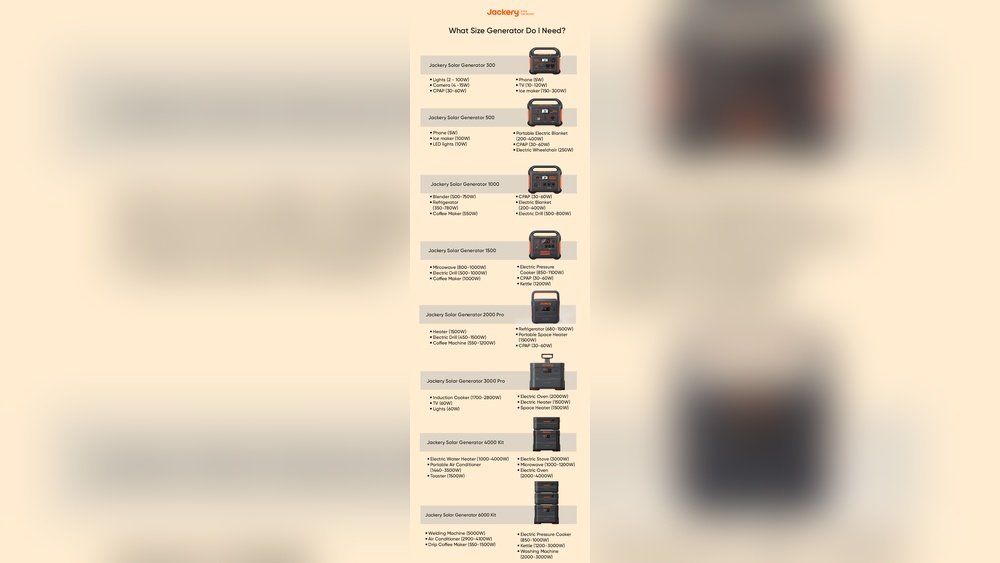
Credit: www.jackery.com
Assessing Your Power Needs
Assessing your power needs is the first step in choosing the right solar generator. Knowing how much energy you use helps pick a generator that fits your lifestyle. This process saves money and ensures you have enough power during outages or outdoor activities.
Start by understanding your daily energy use, then list your must-have devices. Also, think about times when your power use spikes. These details guide you to the perfect solar generator size.
Calculating Daily Energy Consumption
Write down all devices you use daily. Note their power rating in watts and how long you use them. Multiply watts by hours to get watt-hours for each device. Add all watt-hours for total daily consumption. This number shows how much energy you need each day.
Identifying Essential Devices
Make a list of devices you cannot do without. Include lights, phone chargers, and medical equipment. These are your essential devices. Focus on powering these first during an outage or trip. This helps avoid overbuying a generator with too much capacity.
Considering Peak Power Demands
Some devices use more power when they start. This is called peak or surge power. Appliances like refrigerators and pumps may need extra power briefly. Check the peak wattage on device labels. Choose a generator that handles these peaks without shutting down.

Credit: ca.jackery.com
Types Of Solar Generators
Solar generators come in different types. Each type fits specific needs and uses. Knowing these types helps you pick the right size for your situation.
Some solar generators are small and easy to carry. Others are bigger and meant to stay in one place. Some combine solar power with other energy sources.
Portable Solar Generators
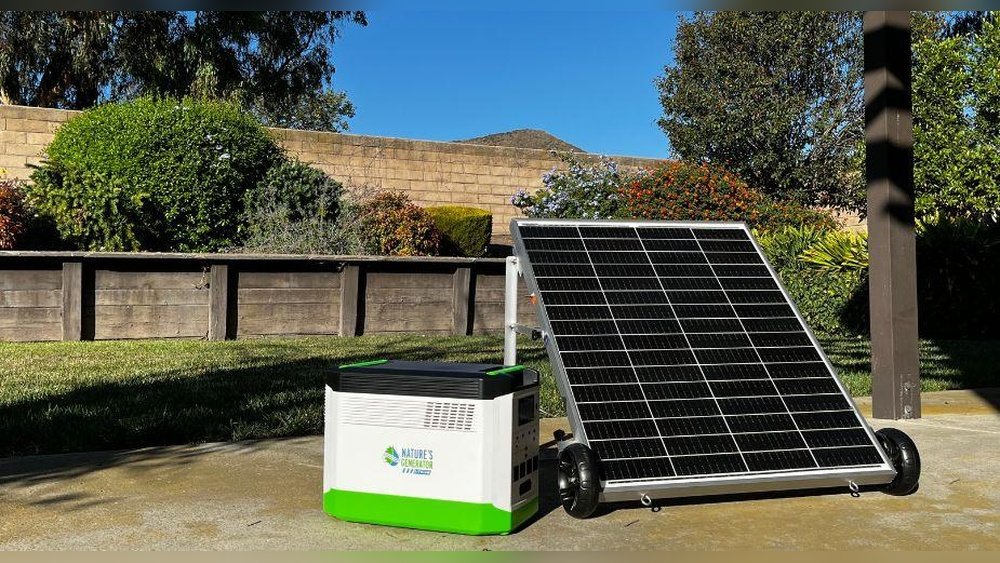
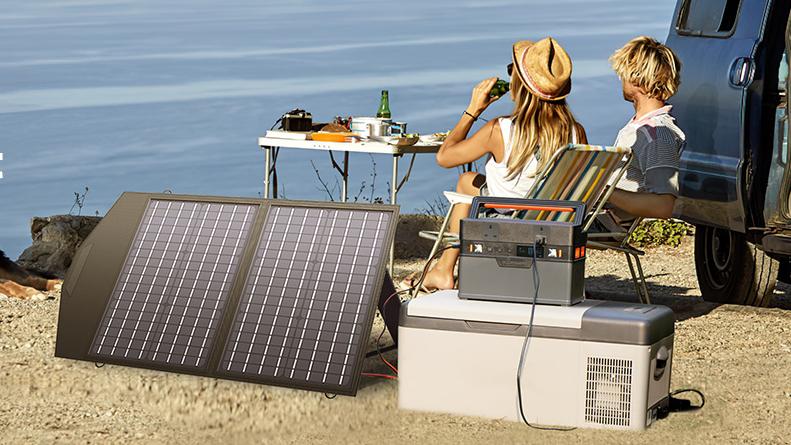
Portable solar generators are light and compact. They work well for camping, outdoor trips, or emergencies. You can carry them in a car or backpack. These generators usually have less power but are easy to move. They charge small devices like phones, lights, or laptops.
Stationary Solar Generators
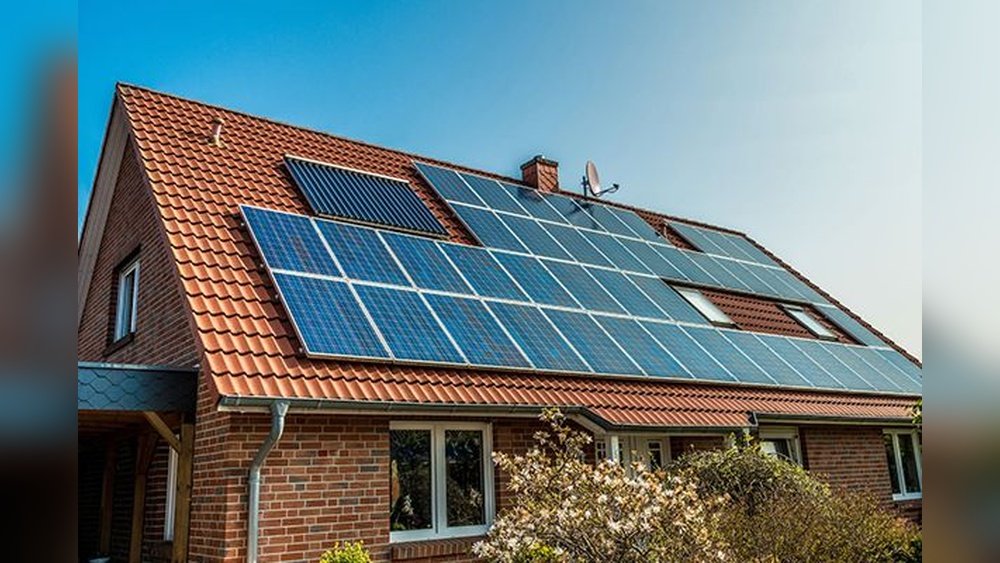
Stationary solar generators are larger and stay in one spot. They provide more power for homes or cabins. These units can run bigger appliances like refrigerators or TVs. They often connect to solar panels on a roof or yard. Stationary generators store energy for use day and night.
Hybrid Solar Generators
Hybrid solar generators combine solar power with other energy sources. These sources can include gas or batteries. They give more reliable power, especially during cloudy days. Hybrid systems adjust to your energy needs. They are great for places with varying weather or power demands.
Battery Capacity And Runtime
Battery capacity and runtime are key factors when choosing a solar generator. Battery capacity shows how much energy the battery can hold. Runtime tells how long the generator will power your devices. Both help you pick the right size generator for your needs.
Understanding Battery Ratings
Battery capacity is usually measured in watt-hours (Wh). This number shows the total energy stored inside the battery. A higher Wh means the battery can power devices longer. For example, a 500Wh battery can supply 50 watts for 10 hours. Check the battery rating to match your energy use.
Estimating Runtime Based On Load
Runtime depends on the power load you connect to the generator. Power load is how much energy your devices use, measured in watts (W). To estimate runtime, divide battery capacity by power load. For example, a 600Wh battery with 100W load lasts about 6 hours. Keep in mind, real runtime may be lower due to efficiency loss.
Battery Types And Lifespan
Solar generators use different battery types like lithium-ion or lead-acid. Lithium-ion batteries are lighter and last longer. Lead-acid batteries cost less but are heavier and have shorter life. Battery lifespan is how many charge cycles it can handle. More cycles mean longer use before replacement. Choose a battery type that fits your budget and use.
Solar Panel Sizing
Choosing the right size solar panel is key to get enough power for your needs. It depends on the battery size, sunlight hours, and how well the panels work. Proper sizing helps you avoid running out of power or wasting money on too many panels.
Understanding these factors makes it easier to pick the right solar panel size for your generator.
Matching Panels To Battery Capacity
Solar panels charge your battery. The battery stores energy for use later. Panels must produce enough power to fill the battery fully. If panels are too small, the battery won’t charge fully. If panels are too big, you spend extra money without benefit.
Check your battery size in watt-hours (Wh). Match panels to produce similar or slightly higher watts per hour. This balance keeps your system efficient and cost-effective.
Impact Of Sunlight Hours
Solar panels work best under direct sunlight. The number of sunlight hours affects how much energy panels produce daily. More sunlight hours mean more energy from the same panel size.
Estimate daily sunlight hours in your location. Multiply panel wattage by sunlight hours to find daily energy output. Adjust panel size based on this to meet your power needs.
Panel Efficiency And Placement
Panel efficiency shows how well panels convert sunlight to electricity. Higher efficiency panels produce more power in less space. Lower efficiency panels need more area to generate the same power.
Place panels where sunlight hits directly, like rooftops or open areas. Avoid shade from trees or buildings. Proper placement increases power output and improves system performance.
Inverter Power And Compatibility
Inverter power and compatibility play a big role in choosing the right solar generator. The inverter changes the stored DC power into AC power. This AC power runs your home devices. Knowing how much power you need helps avoid overloads or wasted energy. Matching your devices with the inverter type keeps everything safe and running smoothly.
Continuous Vs Peak Wattage
Continuous wattage is the power the inverter can supply nonstop. Peak wattage is the short burst of power it can handle. Some devices need more power to start than to run. Check both numbers to ensure the generator meets your needs. A higher peak wattage protects your devices during startup.
Pure Sine Wave Vs Modified Sine Wave
Pure sine wave inverters produce clean, smooth power like the grid. They work well with sensitive devices such as laptops and medical equipment. Modified sine wave inverters are less expensive but may cause noise or damage. Choose pure sine wave for electronics to avoid problems. Simple tools may run fine on modified sine wave.
Device Compatibility Considerations
Some devices need specific power types or wattages. Motors, refrigerators, and pumps often require high peak power. Electronics with microchips need pure sine wave power. Always check your device labels for power needs. Matching your solar generator to these needs keeps devices safe and lasting longer.
Portability And Weight Factors
Portability and weight are key when choosing a solar generator. You want a unit that fits your needs and moves easily. Consider how often you will carry it and where you will take it. These factors affect your comfort and convenience. A heavy generator may offer more power but can be hard to transport. A lighter model may limit your energy supply but is easier to handle.
Transport Options
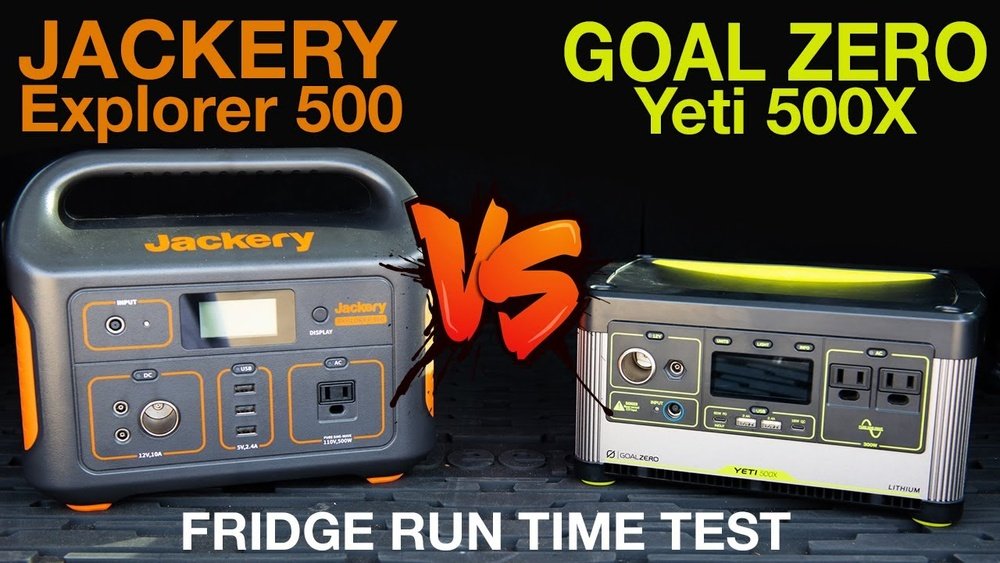
Solar generators come in many sizes and shapes. Some have handles for easy carrying. Others include wheels and pull handles, like a suitcase. Backpacks or smaller portable units fit in a car or on a bike. Think about your travel style. Will you walk long distances or drive? Choose a model that matches your transport needs.
Balancing Power And Portability
More power usually means more weight. Large solar generators provide longer use and more outlets. Small generators are lighter but may run devices for less time. Find the right balance for your situation. Consider what devices you want to power and how long you need them to run. Pick a generator that offers enough power without being too heavy to carry.
Budgeting For Your Solar Generator
Budgeting for your solar generator is a key step in choosing the right size. Knowing how much you can spend helps narrow down options. It also ensures you get good value for your money. A clear budget balances your power needs with cost.
Understanding the cost and benefits helps you make smart choices. Think about not just the price but how well the generator performs. Also, consider the long-term savings and support included. These factors affect the total value of your purchase.
Cost Vs Performance
Solar generators vary in price based on power and features. Higher capacity models cost more but run more devices. Cheaper units may not last long or power enough tools. Choose a model that fits your energy needs and budget.
Look for efficient batteries and inverters. Good quality parts improve performance and lifespan. Spending a bit more upfront can save money later. Avoid very low-cost options that lack durability or support.
Long-term Savings
Solar generators reduce electricity bills by using free sunlight. Over time, this cuts energy costs significantly. A bigger generator saves more if you use many devices. Smaller units cost less but save less on power bills.
Calculate how much you spend on electricity now. Compare that with the cost of the solar generator. This helps estimate how long before it pays for itself. Think about your energy habits and future needs.
Warranty And Support
Good warranty protects your investment from defects and failures. Most solar generators come with 1 to 5 years warranty. Check what is covered and how long the warranty lasts. Some brands offer free repairs or replacements.
Reliable customer support helps solve problems quickly. Choose brands with strong service and easy access to help. This reduces downtime and frustration. A solid warranty and support add value beyond the price tag.
Common Mistakes To Avoid
Choosing the right size solar generator can be tricky. Many people make simple mistakes that cost time and money. Avoiding these common errors helps you pick the best solar generator for your needs. This section highlights key mistakes to watch out for.
Overestimating Power Needs
Some users buy larger solar generators than necessary. This leads to higher costs and wasted energy. Calculate your actual power use by listing devices and their wattage. Buy a generator that meets, not exceeds, your needs. Oversizing means paying for unused capacity.
Ignoring Expansion Options
Solar power needs can grow over time. Not considering future expansion limits your options. Choose a solar generator with modular parts or extra ports. This allows easy upgrades without replacing the entire system. Planning ahead saves money and effort later.
Neglecting Maintenance
Solar generators need regular care to work well. Ignoring maintenance shortens battery life and reduces efficiency. Clean panels, check connections, and store the generator properly. Small steps keep your system reliable and extend its lifespan.
Tips For Maximizing Efficiency
Maximizing the efficiency of your solar generator ensures you get the most power from your setup. Small changes in how you use and maintain your system can lead to big energy savings. Following simple tips helps your solar generator work better and last longer.
Optimal Panel Placement
Place solar panels where they get direct sunlight. Avoid shadows from trees, buildings, or other objects. Panels should face south in the Northern Hemisphere for best sunlight. Tilt panels at the right angle to match your latitude. Keep panels clean and free of dust or debris for better energy capture.
Energy-saving Practices
Turn off devices when not in use to save power. Use energy-efficient appliances to reduce load on the generator. Charge devices during the day when solar power is abundant. Avoid running many appliances at the same time to prevent overload. Monitor your energy use to avoid waste.
Regular System Checks
Inspect cables and connections for damage or wear. Check battery health to ensure it holds charge well. Clean panels regularly to remove dirt and grime. Update firmware or software if your system supports it. Early problem detection prevents costly repairs and downtime.
Credit: iallpowers.com
Frequently Asked Questions
What Factors Determine The Size Of My Solar Generator?
The size depends on your power needs, battery capacity, and usage duration. Calculate total wattage of devices and hours of use. Include extra capacity for safety and future needs. This ensures the generator meets your energy requirements efficiently.
How Do I Calculate Solar Generator Wattage Needs?
Add the wattage of all devices you plan to power simultaneously. Multiply by the number of hours you need them running. This gives total watt-hours required. Choose a generator that provides at least this capacity to avoid outages.
Can A Small Solar Generator Power Household Appliances?
Small generators can power low-energy devices like lights and phones. However, they may not support heavy appliances like refrigerators or air conditioners. For full home backup, consider larger capacity generators. Always match generator size to your appliance power ratings.
How Long Can A Solar Generator Run Appliances?
Runtime depends on generator capacity and appliance power consumption. Divide battery watt-hours by device wattage for approximate hours. Larger batteries provide longer power supply. Use energy-efficient appliances to maximize runtime from your solar generator.
Conclusion
Choosing the right size solar generator depends on your needs. Think about what devices you want to power. Check their energy use and how long you need power. Bigger generators give more energy but cost more and weigh more. Smaller ones are easier to carry but have less power.
Balance your needs with your budget and size limits. This way, you get reliable energy without waste. Take your time to decide. Your perfect solar generator is out there, ready to support your adventures or emergencies.