Looking for a reliable power source that’s clean, quiet, and easy to use? A solar generator might be exactly what you need.
But with so many options out there, how do you choose the right one for your needs? In this guide, you’ll discover simple tips and key facts to help you pick the best solar generator for your home, outdoor adventures, or emergency kit.
By the end, you’ll feel confident making a smart choice that saves you money and keeps your devices powered when it matters most. Keep reading to find the perfect solar generator for you!

Credit: uk.jackery.com
Benefits Of Solar Generators
Solar generators offer many benefits that make them a smart choice for power. They provide clean energy without noise or fumes. These generators work silently and can power devices during outages or outdoor activities.
Choosing a solar generator helps save money over time. It reduces reliance on fuel and electricity from the grid. Portability adds to their appeal, making them easy to carry and use anywhere.
Eco-friendly Power Source
Solar generators use sunlight to create electricity. This process does not produce pollution or harmful gases. It helps reduce carbon footprints and protects the environment. Using solar energy supports cleaner air and a healthier planet.
Cost Savings Over Time
Solar generators need no fuel to run, cutting ongoing costs. After the initial purchase, power is free from sunlight. They lower electricity bills by reducing grid use. Maintenance costs are low compared to gas generators.
Portability And Convenience
Most solar generators are compact and lightweight. They fit easily in cars, backpacks, or small spaces. This makes them perfect for camping, road trips, or emergencies. Setup is simple, and they operate quietly without fumes.
Key Features To Consider
Choosing the right solar generator means knowing what features matter most. These features affect how well your generator works and how long it lasts. Understanding key factors helps you pick a model that fits your needs and budget.
Power Output And Capacity
Power output shows how much energy the generator can supply at once. Capacity means how much total energy it stores. Match these to your devices’ needs. Higher output handles bigger tools and appliances. Larger capacity lasts longer without recharging.
Battery Type And Life
Batteries store the energy for your solar generator. Lithium-ion batteries last longer and weigh less. Lead-acid batteries cost less but are heavier and shorter-lived. Check the battery’s cycle life. More cycles mean longer use before replacement.
Charging Options
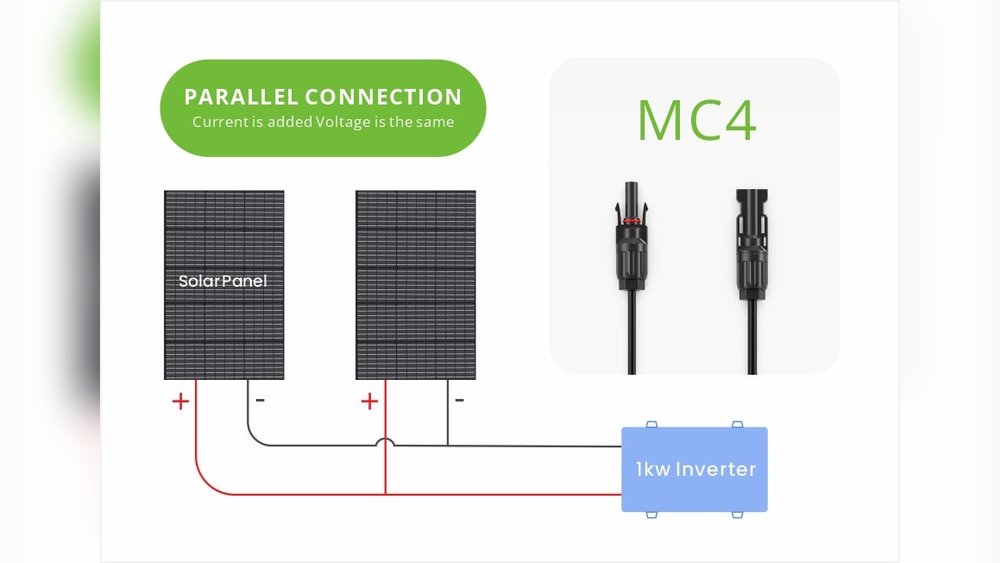
Solar generators recharge in different ways. Solar panels, wall outlets, and car chargers are common methods. Multiple charging options add flexibility. Solar charging is slow but free. Wall charging is faster but needs power access.
Durability And Weather Resistance
Solar generators often face outdoor conditions. Look for sturdy build and strong materials. Water resistance protects against rain and splashes. Dustproof features keep dirt out. These improve the generator’s lifespan and reliability outdoors.
Types Of Solar Generators
Solar generators come in several types, each designed for different uses. Choosing the right type depends on your energy needs and where you plan to use it. Understanding these types helps you pick the best option for your situation.
Portable Models
Portable solar generators are small and easy to carry. They work well for camping, outdoor events, or emergency kits. These models charge devices like phones, lights, and small appliances. Portability means you can take power anywhere without heavy equipment.
Home Backup Systems
Home backup solar generators provide power during outages. They connect to your home’s electrical system. These generators support larger appliances like refrigerators and heaters. They offer reliable energy to keep your home running smoothly.
Hybrid Generators
Hybrid solar generators combine solar power with other energy sources. They often use gas or batteries along with solar panels. This setup ensures power even when sunlight is low. Hybrid models offer flexibility and steady power supply.
Credit: smartbuy.alibaba.com
Sizing Your Solar Generator
Sizing your solar generator correctly is key to getting the best performance. It helps avoid running out of power or buying a device that is too large. Understanding your power needs and how they match the generator’s capacity saves money and hassle.
Think about what you want to power and for how long. This way, you pick a generator that fits your daily energy use and any extra demand.
Calculating Your Power Needs
Start by listing all the devices you want to run with the solar generator. Write down their power use in watts. Check the labels or manuals for exact numbers.
Add up the watts of all the devices to get your total power need. Consider how many hours each device runs daily. Multiply watts by hours to find watt-hours needed.
Matching Generator Capacity
Choose a solar generator with a capacity higher than your total watt-hours. This ensures enough power for all devices. Look at the battery size and output power of the generator.
Check the surge power rating too. Some devices need extra power to start. Make sure the generator can handle these peaks.
Considering Future Expansion
Think about adding more devices later. Pick a generator with extra capacity for growth. This avoids buying a new generator soon.
Modular systems allow adding more batteries or panels. This flexibility helps as your power needs change over time.
Top Brands And Models
Choosing the right solar generator depends on reliable brands and trusted models. Quality matters for performance and durability. Some brands stand out for their technology and customer support. Knowing top brands helps you pick a good unit that fits your needs.
Models vary in power, size, and price. Each brand offers unique features. Some focus on portability, others on capacity. Explore popular, budget-friendly, and high-end options to find the best match.
Popular Choices
Jackery is a widely known brand with strong customer reviews. Their Explorer series offers good power and portability. Goal Zero is another popular name, known for durable and versatile units. Bluetti also earns praise for advanced features and build quality.
Budget-friendly Options
Renogy offers affordable solar generators that suit beginners. Rockpals provides compact and easy-to-use models at low prices. Suaoki focuses on lightweight designs that fit tight budgets without losing quality. These brands balance cost and performance well.
High-end Systems
EcoFlow builds premium solar generators with fast charging and large capacity. Bluetti’s high-end models support heavy power needs and longer use. Goal Zero’s Yeti series offers advanced tech for serious outdoor or emergency use. These systems suit users needing extra power and features.
Installation And Maintenance Tips
Installing and maintaining a solar generator keeps it running well and lasting long. Proper setup ensures the generator works safely and efficiently. Regular care helps avoid problems and keeps power steady.
Follow simple steps to set up your system. Check the equipment often. Fix small issues early to prevent bigger troubles.
Setting Up Your Generator
Choose a flat, dry spot for your solar generator. Avoid places with shade or water. Connect solar panels to the generator carefully. Use the cables that come with the unit. Make sure all connections are tight and secure.
Read the user manual for specific setup instructions. Turn on the system and watch for any error lights. Test the power output to confirm proper function.
Routine Care And Checks
Clean solar panels regularly to remove dust and dirt. Use a soft cloth and mild soap with water. Check all cables and plugs for damage. Tighten any loose connections you find. Inspect the battery for leaks or swelling often.
Keep the generator in a dry, cool place when not in use. Charge the battery fully at least once a month. This keeps the battery healthy and ready.
Troubleshooting Common Issues
If the generator does not start, check the battery charge first. Ensure solar panels are in direct sunlight. Look for broken wires or loose plugs. Reset the system by turning it off and on again.
Listen for unusual noises or smells. These can signal internal problems. Contact customer support if problems continue. Do not try to repair complex faults yourself.
Cost And Warranty Insights
Understanding the cost and warranty of solar generators helps you make a smart purchase. It shows how much you pay now and what protection you get later. This section covers price ranges, warranty details, and how you earn back your money.
Price Ranges
Solar generators vary in price based on size and features. Small portable models start around $200. Mid-range options cost between $500 and $1,500. High-capacity units can reach $3,000 or more. Choose based on your power needs and budget.
Warranty Coverage
Warranties protect against defects and failures. Most brands offer 1 to 3 years of coverage. Some include battery protection for longer periods. Check what parts and repairs the warranty covers. Good warranty means less worry about repairs.
Return On Investment
Solar generators save money on fuel and electricity. They lower power bills over time. Calculate how long it takes to recover your cost. Usually, savings appear after a few years of use. This makes solar generators a smart long-term choice.
Credit: smartbuy.alibaba.com
Frequently Asked Questions
What Factors Should I Consider When Buying A Solar Generator?
Consider battery capacity, power output, portability, charging options, and price. Match these with your energy needs and budget for best results.
How Long Does A Solar Generator Battery Last?
Battery life varies, typically lasting 3 to 10 years. Usage, charging cycles, and maintenance impact longevity significantly.
Can Solar Generators Power Large Appliances?
Most solar generators can power small to medium appliances. For large appliances, check the wattage capacity carefully before buying.
How Do Solar Generators Charge?
Solar generators charge via solar panels, wall outlets, or car chargers. Solar panels provide renewable and eco-friendly energy.
Conclusion
Choosing the right solar generator can save money and energy. Think about your power needs and where you will use it. Compare battery size, output, and charging options carefully. Portability matters if you plan to travel or camp. A good solar generator works quietly and lasts long.
Take time to read reviews and ask questions. This helps you pick a model that fits your life. Solar power offers a clean, reliable energy source. Start with the basics, and enjoy the benefits every day.