The sun powers life on Earth. In recent years, it also powers homes, businesses, and even cars through solar panels. But what if you live in a place that’s often cloudy? Does your rooftop need to face the sun directly? Many people wonder, “Do solar panels need direct sunlight?” The answer is more nuanced than a simple yes or no. Let’s explore how solar panels work, what affects their performance, and whether they can still produce energy in less-than-perfect sunlight.
How Solar Panels Generate Electricity
To understand the sunlight question, it helps to know how solar panels turn sunlight into electricity. Solar panels use photovoltaic cells, usually made from silicon. When sunlight hits these cells, it knocks electrons loose, creating an electric current. This process is called the photovoltaic effect. The more sunlight that reaches the cells, the more electricity they produce.
But it’s not just direct sunlight that triggers this effect. Visible light, even if it’s indirect or diffused, can generate power. However, the amount of energy depends on several factors, such as:
- Sunlight intensity
- Angle of sunlight
- Shading from trees or buildings
- Weather conditions like clouds, rain, or fog
The efficiency of this process is not always the same. For example, the silicon inside the cells reacts best to certain wavelengths of light. This means that on a clear day with strong sunlight, the reaction is more powerful and produces more electricity.
On cloudy or hazy days, the light is spread out and weaker, so the reaction slows down.
Non-obvious insight: Many people think that only the visible part of sunlight matters. In reality, ultraviolet and infrared rays—parts of the spectrum we cannot see—also trigger the photovoltaic effect, though with less efficiency. This is why panels can still make power when the sky is grey or the sun is low.
Practical example: In countries with shorter days or long winters, panels are still able to generate power because they use a wide range of sunlight, not just the bright midday sun.
Direct Sunlight Vs. Indirect And Diffused Light
What Is Direct Sunlight?
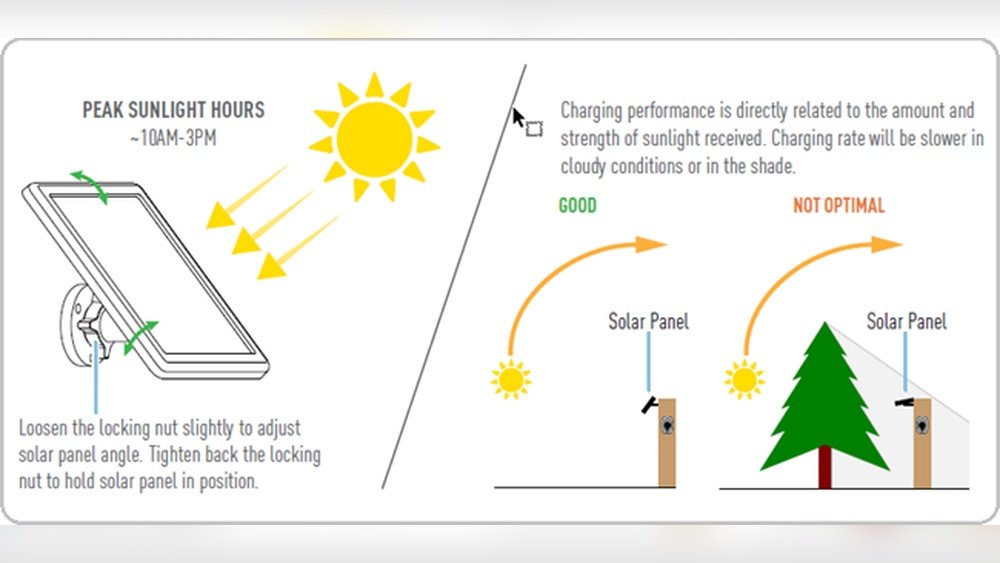
Direct sunlight means the sun’s rays hit the solar panel without anything blocking or scattering them. This is what you get on a clear day, with the sun high in the sky and no shade from trees or buildings. Direct sunlight delivers the most energy, which makes solar panels work at their highest efficiency.
On a sunny, cloudless day, the difference is easy to see. The panel’s surface gets warm, and the electric output rises. This is why the best solar installations try to avoid shadows and face the sun as much as possible.
What Is Indirect Or Diffused Light?
Indirect sunlight is sunlight that’s been scattered by clouds, dust, or objects in the environment. Even on a cloudy day, sunlight still reaches the Earth. It bounces around in the atmosphere and lands on solar panels from different angles. This is called diffused light.
Example: If you stand in the shade of a tree, you don’t get direct sunlight, but it’s still light enough to read a book. Solar panels can also use this diffused light, though not as efficiently as direct sunlight.
Non-obvious insight: Some people believe that if the sky is white or overcast, solar panels stop working. In fact, even under a heavy cloud cover, enough light penetrates for the panels to provide a modest but steady output.
Solar Panel Performance In Different Light Conditions
Here’s a practical comparison:
| Light Condition | Energy Output (Relative) | Example Scenario |
|---|---|---|
| Direct Sunlight | 100% | Clear midday sun, no shade |
| Partial Shade | 40–80% | Tree branches, nearby buildings |
| Cloudy Weather | 10–25% | Thick clouds, overcast sky |
| Rainy/Foggy | 5–10% | Heavy fog, rainstorm |
Panels do not stop working when the sky is cloudy. Instead, their output drops because the available light is less intense.
Expanded detail: The difference between 10% and 25% output on a cloudy day is mostly due to how thick the clouds are and what type of solar panel you have. For example, high-efficiency panels might still produce closer to 25%, while cheaper models could drop below 10%. Additionally, in places where clouds are thin or patchy, panels can sometimes “spike” in output when sunlight breaks through, even for a few minutes.

Credit: sustainablereview.com
Do Solar Panels Work Without Direct Sunlight?
The Short Answer: Yes, But Less Efficiently.
Solar panels still produce electricity in indirect sunlight. Even on cloudy or rainy days, or during early morning and late afternoon, panels can generate some power. The energy output depends on how much sunlight is available, even if it’s scattered.
Real-world example: Germany, a country known for its cloudy weather, is a world leader in solar power adoption. This shows that direct sunlight is not a strict requirement for using solar panels.
Expanded detail: In some parts of Europe, the sun is rarely strong or high in the sky. Still, solar panels provide significant energy, especially when installed in large numbers or combined with smart design. Solar farms in these areas often use panels with special coatings or materials that capture more diffused light.
Why Do Solar Panels Still Work On Cloudy Days?
Light from the sun contains many wavelengths, including infrared and ultraviolet. Photovoltaic cells can use some of this scattered light. Advanced panels, especially those with bifacial or thin-film technology, capture more diffused light than older models.
Insight: Some homeowners notice that their solar panels still generate power even when it’s raining. That’s because clouds do not block all sunlight—just a portion. The rest scatters in the atmosphere and finds its way to your panels.
Extra explanation: The quality of “grey daylight” in some regions means that, even if you never see the sun directly, your panels can still generate a surprising amount of energy over the course of a year. While the power output per hour is lower, it adds up—especially in places where electricity is expensive.
Factors That Affect Solar Panel Performance
1. Sun Angle And Panel Orientation
The angle at which sunlight hits a panel changes throughout the day and year. For the best results, panels are usually tilted to match the local latitude and face true south in the northern hemisphere or true north in the southern hemisphere.
If your roof doesn’t face the ideal direction, or if the angle is too steep or too flat, you lose some efficiency. However, you still get significant energy, especially in areas with long daylight hours.
Extra detail: In the morning and late afternoon, the sun is lower in the sky. This means panels pointed straight up (flat) will not catch as much light as those tilted toward the sun’s path. For this reason, some homeowners with east- or west-facing roofs split their panels to catch sun at different times of day, which can help balance their energy production.
2. Seasonal Changes
The sun’s path shifts with the seasons. In winter, the sun is lower in the sky, and days are shorter. That means less sunlight reaches your panels. In summer, longer days and a higher sun boost performance.
Practical tip: Some advanced solar panel mounts allow you to adjust the tilt seasonally for better year-round output.
Expanded detail: In locations with snowy winters, a steeper tilt can also help snow slide off panels more easily, preventing buildup that blocks sunlight. Some large installations in cold climates use motorized mounts to change the angle by season, getting the most out of the available light.
3. Weather Patterns
Clouds, rain, and snow reduce the amount of sunlight reaching your panels. Heavy snowfall can even cover panels, blocking all sunlight until the snow melts or is removed.
Dust and pollution in the air can also scatter and absorb sunlight before it reaches your roof.
Extra insight: In cities with high air pollution or near deserts, frequent cleaning can make a noticeable difference. Some homeowners underestimate how much dirt, pollen, or leaves reduce solar output over time.
4. Shading
Shadows from trees, chimneys, or nearby buildings can reduce your system’s power. Even a small shaded area can significantly lower output if panels are wired in series. Microinverters or power optimizers can help minimize these losses.
More detail: If only one part of a panel is shaded, older systems might see the whole string of panels drop in output. But new technologies let each panel work independently, so shade on one won’t drag down the rest.
5. Panel Type And Technology
Not all solar panels are created equal. Some perform better in low light than others.
- Monocrystalline panels: Highest efficiency in both direct and indirect light.
- Polycrystalline panels: Slightly less efficient, but still work in diffused light.
- Thin-film panels: Perform better in low-light, but have lower peak efficiency.
Insight: If you live in a cloudy area, choosing a panel type with higher low-light performance can make a noticeable difference.
Added practical detail: Ask your installer about the “low light” performance rating on the data sheet. Some monocrystalline panels are specially designed for northern or cloudy climates and can outperform standard models by 5–10% in weak sunlight.
6. Cleanliness
Dirt, leaves, or snow on panels reduce the amount of light that reaches the cells. Regular cleaning maintains efficiency, especially in dusty or snowy regions.
Extra tip: If you notice birds often rest on your roof, watch for droppings on your panels—these can block sunlight and lower output more than you might expect.
How Much Sunlight Do Solar Panels Need Each Day?
Solar panels don’t need to have direct sunlight all day long. But the more sunlight they get, the more energy they produce. Most systems are designed based on the average daily sunlight hours in your location.
Calculating Solar Panel Output
To estimate what you can expect, solar professionals use a measure called peak sun hours. This is the number of hours per day when the sunlight is strong enough to be counted as “full sun” (about 1,000 watts per square meter).
Example: If your area gets 5 peak sun hours per day, and you have a 5 kW solar system, your panels could produce about 25 kWh per day in ideal conditions.
But even if you get only 3 peak sun hours, your system will still produce energy—just less than in a sunnier location.
Non-obvious insight: Peak sun hours are not the same as total daylight hours. Even if the sun rises at 6 a.m. and sets at 8 p.m., you might only have 4 or 5 peak hours, with the rest being weaker, morning or late afternoon light.
Average Sunlight By Region
Here’s how peak sun hours can vary:
| City/Region | Peak Sun Hours (per day) | Climate |
|---|---|---|
| Los Angeles, USA | 5.5–6.0 | Sunny, dry |
| London, UK | 2.5–3.0 | Cloudy, rainy |
| Sydney, Australia | 4.5–5.0 | Sunny, mild |
| Berlin, Germany | 2.8–3.2 | Cloudy, moderate |
| Cape Town, South Africa | 5.0–5.5 | Sunny, dry |
Even in regions with less sun, solar panels can still cover a big part of your electricity needs.
Additional explanation: Some regions, such as Alaska or northern Canada, have very few peak sun hours in winter, but extremely long daylight in summer. Solar systems in these areas are often sized larger to make up for the winter gap, or combined with other energy sources.
Common Myths About Solar Panels And Sunlight
Myth 1: Solar Panels Only Work In Direct Sunlight
This is false. As explained, solar panels work in both direct and indirect sunlight, though direct sun is best.
Extra context: Even in shaded valleys or cities with tall buildings, solar installations can contribute to energy needs, especially when combined with batteries or grid support.
Myth 2: Solar Panels Don’t Work In Winter
Panels work all year. In fact, they’re often more efficient in cold weather because heat can reduce panel performance. The main reason output drops in winter is fewer daylight hours and a lower sun angle, not the cold itself.
Example: In Norway or Canada, winter days are short but often clear and cold, and solar panels can perform surprisingly well if kept free of snow.
Myth 3: Solar Panels Don’t Work In Cloudy Or Rainy Areas
Cloudy countries like Germany and the UK have successful solar programs. As long as there’s daylight, your panels can generate electricity, just at a reduced rate.
Added detail: Many utilities in these countries rely on solar as a key part of their renewable energy mix, proving that regular clouds are not a barrier to clean energy.
Myth 4: Shade Only Affects The Shaded Panel
If panels are connected in series (like old Christmas lights), shade on one can reduce the output of the entire string. Modern systems use microinverters or power optimizers to prevent this problem.
Non-obvious tip: For complex roofs or areas with partial shade, always ask for “module-level optimization” to get the best possible output.
Myth 5: Solar Power Isn’t Worth It In Cloudy Places
Solar can be a smart investment even in less sunny areas, especially if electricity prices are high or you get government incentives.
Expanded explanation: In some regions, the cost of grid electricity is so high that even a small solar system pays for itself quickly—even if it only covers a portion of your usage.
Practical Tips To Maximize Solar Panel Output (even Without Direct Sun)
- Choose the right panel type: Monocrystalline panels are best for low-light.
- Install panels at the optimal angle: Face them toward the equator and adjust tilt for your latitude.
- Avoid shade: Trim trees and avoid obstructions.
- Clean panels regularly: Dust, leaves, and snow reduce output.
- Use microinverters or optimizers: They help limit the impact of partial shade.
- Increase system size: If you get less sun, a bigger system can help meet your needs.
- Monitor your system: Use an app or online portal to track performance and spot issues early.
Bonus tip: Schedule professional cleaning or maintenance at least once a year, especially if you live in a place with heavy pollen, bird activity, or nearby construction.
How Different Weather Conditions Affect Solar Panels
Cloudy Days
Light is scattered but not blocked. Solar panels typically produce 10–25% of their rated output.
Extra example: In tropical climates, afternoon thunderstorms may reduce output for a few hours, but morning sun can still provide plenty of energy overall.
Rainy Or Foggy Days
Output can drop further, to 5–10%. But the rain can help clean the panels, removing dust and debris.
Tip: After a rainstorm, check your monitoring system—clean panels often show a boost in output when the sun returns.
Snow
A thin layer of snow reduces output, but heavy snow can block sunlight completely. Most panels are installed at an angle, so snow slides off as it melts.
Extra detail: In very cold climates, dark panels can help melt snow faster, especially if they catch some sun in the morning.
Extreme Heat
Surprisingly, very hot weather can reduce solar panel efficiency. Most panels are rated at 25°C (77°F). Higher temperatures increase electrical resistance in the cells, which lowers output.
Non-obvious insight: In some locations, cool sunny days can produce more power than hot ones, even with the same amount of sunlight.
Practical tip: Good airflow under panels helps keep them cooler and more efficient in summer.
Solar Panels In Different Climates
Tropical And Equatorial Regions
Plenty of sunlight year-round, but frequent rain and clouds can reduce output. High humidity and salt air (near coasts) can affect panel lifespan, so choose panels with good environmental ratings.
Extra advice: Look for “corrosion-resistant” panels if you live near the ocean.
Temperate Regions
Seasonal changes are more pronounced. Solar panels can be a great investment, but you’ll get more energy in summer than winter.
Example: In the U.S. Northeast, it’s common to generate most solar power from March to October.
Desert Climates
Abundant sunlight, but dust and sand can cover panels, so cleaning is important.
Tip: In deserts, panels sometimes need to be cleaned every few weeks for best performance.
Urban Environments
Tall buildings can cast shadows, but modern panel technology and creative installation methods (like solar canopies or walls) help overcome these challenges.
Non-obvious solution: Some apartment buildings now use solar panels on balconies, awnings, or even vertical walls to collect extra energy.
Technology Improvements For Low-light Performance
Solar panel technology is advancing quickly. Some modern features that help in low-light conditions include:
- Bifacial panels: Capture light from both sides, including sunlight reflected from the roof or ground.
- Half-cut cells: Reduce energy losses from shading.
- Multi-busbar and PERC technology: Improve efficiency in cloudy or indirect light.
- Thin-film solar: Flexible and good for overcast conditions, but lower peak efficiency.
Insight: If you live in a region with frequent clouds, ask your installer about panels designed for high performance in low light.
Additional note: Some manufacturers have data sheets showing “low irradiance efficiency.” This is a good number to compare if your location is often cloudy or shaded.
Solar Tracking Systems: Do They Help?
Solar trackers follow the sun across the sky, keeping panels at the best angle. These systems can boost energy output by 10–25% compared to fixed panels, especially in locations with changing sun angles.
However, they add cost and complexity, so they’re mainly used for large solar farms rather than home systems.
Non-obvious tip: For ground-mounted home arrays with lots of space, a simple “manual tilt” system (adjusted 2–4 times per year) can give some of the same benefits as a tracker for much less cost.
Storage Solutions: Saving Energy For Cloudy Days
Even if your panels don’t always get direct sun, battery storage can help. Batteries store excess energy produced during sunny hours for use at night or on cloudy days.
Popular options include:
- Lithium-ion batteries: Like the Tesla Powerwall.
- Lead-acid batteries: Cheaper but less efficient.
- Flow batteries: Long lifespan, but large and costly.
Pro tip: In areas with frequent clouds, a battery system ensures you can use solar power even when production dips.
Expanded detail: Some systems are programmed to save battery power for peak times (evenings or early mornings), when the grid is most expensive or demand is highest.
Grid-tied Vs. Off-grid Solar Systems
Grid-tied Systems
Most homes stay connected to the utility grid. When solar panels don’t produce enough (cloudy days or nighttime), you use grid power. When you generate extra, you can send it back to the grid for credit (net metering).
Extra insight: In many places, net metering pays you the retail rate for electricity, making solar more cost-effective—even in less sunny locations.
Off-grid Systems
If you’re not connected to the grid, you need batteries and possibly a backup generator. In areas with low sunlight, you may need a larger system to get through dark periods.
Non-obvious insight: In very cloudy or northern areas, grid-tied systems are usually more practical than going fully off-grid.
Solar Panel Placement: Rooftop Vs. Ground Mount
Rooftop Panels
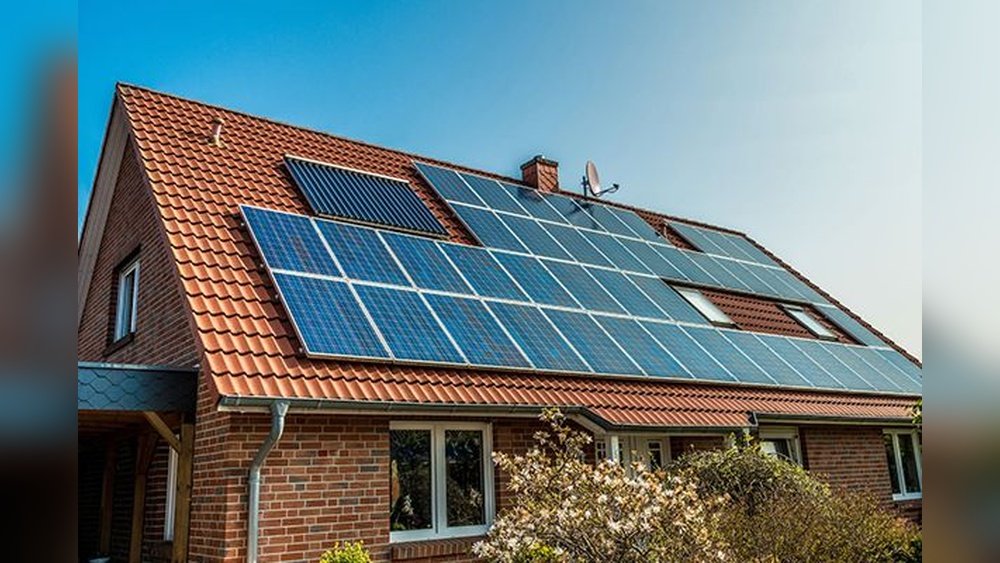
Most common choice. Rooftop space is limited, but usually gets good sun. Shadows from chimneys or other structures can reduce output.
Practical tip: Consider “solar shingles” if your roof is due for replacement—they blend in and maximize space.
Ground-mounted Panels
Can be installed at the perfect angle and location. Easier to clean and adjust, but require more space.
Tip: In shaded or cloudy locations, ground-mounts let you optimize direction and tilt for maximum low-light performance.
Extra example: Some rural homes use ground-mount arrays with a “seasonal tilt” feature, allowing for easy adjustments in spring and fall for better energy year-round.
Credit: www.aidot.com
Real-world Example: Solar Power In Cloudy Countries
Take Germany as an example. Despite getting less sunlight than many countries, Germany is a leader in solar power. In 2022, solar accounted for over 10% of Germany’s electricity production. Careful system design, efficient technology, and supportive policies make solar viable—even when direct sunlight isn’t always available.
Expanded detail: Germany’s success comes from widespread adoption of high-efficiency panels, creative use of available roof space, and strong government support for clean energy. This model has inspired other countries with similar weather to invest in solar too.
How To Know If Your Home Gets Enough Sun
- Use online solar calculators: Free tools like Google’s Project Sunroof estimate your roof’s solar potential.
- Get a professional assessment: Installers can measure shading and sun exposure on your property.
- Check your electric bill: If you use most of your power during the day, solar can be especially cost-effective.
Pro insight: Even if your roof isn’t perfect, partial solar can still save money and reduce your carbon footprint.
Bonus tip: Take photos of your roof at different times of day to check for shadows before your installer visits.
Comparing Solar Performance: Direct Sunlight Vs. Cloudy Days
Let’s see how a typical 5 kW system might perform in different conditions:
| Condition | Expected Daily Output (kWh) | Notes |
|---|---|---|
| Clear, direct sun | 20–25 | Ideal conditions |
| Partly cloudy | 10–15 | Some cloud cover, diffused light |
| Heavily overcast | 3–7 | Thick clouds, little direct sunlight |
| Rainy/foggy | 1–3 | Very low light |
This shows that while output drops without direct sun, it never hits zero unless panels are completely covered or it’s nighttime.
Extra explanation: On days with changing weather, solar output can fluctuate a lot. Some systems include “forecast-based” controls that adjust power usage or battery charging based on predicted sunlight.
When Direct Sunlight Really Matters
Certain situations require the best possible output from your panels:
- Limited roof space: If you have a small roof, you need to maximize every panel’s output.
- High energy use: Homes with electric heating, air conditioning, or EV charging need more power.
- Off-grid living: Without grid backup, you must size your system for worst-case weather.
In these cases, panel angle, type, and shading matter even more.
Practical example: For off-grid cabins, installers often recommend over-sizing the solar system and battery bank to be safe during long periods of clouds or snow.

Credit: jfkelectrical.com.au
Are There Alternatives For Low-sun Locations?
If your property gets very little sun, consider:
- Community solar: Join a solar farm and get credit for the energy produced.
- Wind power: In some areas, wind is a better fit.
- High-efficiency appliances: Use less power to make the most of what you generate.
Pro insight: Energy efficiency often gives bigger savings than adding more panels.
Extra example: Swapping to LED lighting, high-efficiency refrigerators, and smart thermostats can cut your energy needs in half—making a smaller solar system more practical.
Financial Considerations: Is Solar Worth It Without Direct Sun?
Solar panels are a long-term investment. Even with less-than-perfect sun, they can save you money, especially where electricity prices are high. Many governments offer tax credits, rebates, or other incentives.
Non-obvious insight: In some places, solar power is priced by “net metering,” so you get paid for the electricity you send to the grid, even if you buy some back on cloudy days.
Extra tip: Calculate your “payback period” with a professional, including incentives and energy savings, to see how quickly your system will pay for itself.
What About Solar For Apartments Or Renters?
If you don’t own your roof, options include:
- Community/shared solar projects
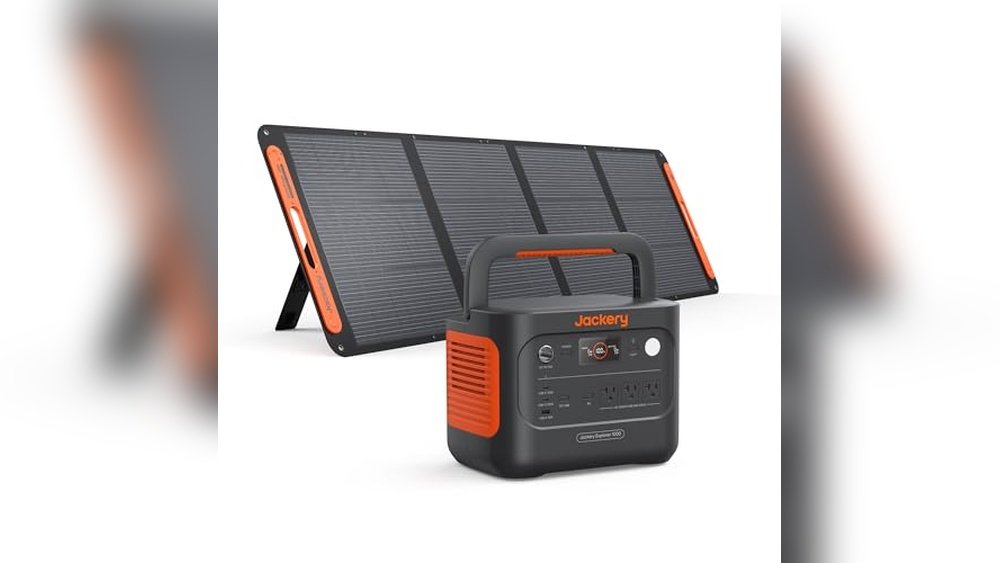
- Portable solar panels (for RVs, balconies, or camping)
- Solar windows (still experimental, but promising)
Tip: Always check local rules and programs—solutions are growing every year.
Expanded detail: Some cities now allow “virtual net metering,” where you buy a share of a larger solar array and get credits on your bill—even if your building isn’t suitable for panels.
How To Improve Solar Panel Efficiency In Low-light
- Choose high-efficiency panels: Look for models with good low-light ratings.
- Keep panels clean: Regular washing improves performance.
- Use smart inverters: These adapt to changing light conditions.
- Install optimally: Get professional advice on the best angle and direction.
- Combine solar with storage: Batteries smooth out day-to-day changes.
Pro tip: Ask your installer for a shading analysis before you commit.
Extra example: Some systems include “optimizers” that let you see the power output of each panel, making it easy to spot and fix problems.
The Future: Solar Panels That Thrive Without Direct Sunlight
Research is underway on next-generation photovoltaic materials that work better in low or indoor light. Technologies like perovskite solar cells and organic photovoltaics may one day boost output in cloudy or shaded areas.
Insight: In the near future, expect solar panels to become even more tolerant of clouds, shade, and less-than-perfect installation sites.
Extra explanation: These new materials can be made thin and flexible, opening new possibilities for windows, walls, and even clothes that generate power.
Key Takeaways
- Direct sunlight gives the highest output, but solar panels also work in indirect or diffused light.
- Clouds, shade, and bad weather reduce output, but do not stop production.
- Panel type, angle, and cleanliness matter, especially in low-sun areas.
- Modern technology—like microinverters, bifacial panels, and tracking—can boost performance.
- Solar is still a smart investment in many cloudy or northern locations, especially with incentives.
If you’re considering solar panels, don’t let worries about direct sunlight stop you. With good planning and the right technology, solar can work almost anywhere the sun shines—even if it’s behind a cloud.
Frequently Asked Questions
Do Solar Panels Work At Night?
No, solar panels do not produce electricity at night because there is no sunlight. However, you can use stored energy from batteries or draw power from the grid.
How Much Less Power Do Solar Panels Make On A Cloudy Day?
On a cloudy day, solar panels often produce 10–25% of their normal output. The exact amount depends on cloud thickness and panel technology.
Will Snow Or Heavy Rain Stop My Panels From Working?
Heavy snow can block sunlight completely until it melts or is removed. Rain usually just reduces output, but also helps clean the panels for better performance later.
Is My Roof Good Enough For Solar If It Doesn’t Face South?
South-facing roofs (in the northern hemisphere) are best, but east or west-facing roofs can still work. You may get about 10–20% less energy, but careful system design can make up for it.
Where Can I Learn More About Solar Panel Technology?
You can find detailed information on solar panels from the U.S. Department of Energy, a trusted authority on renewable energy.
In summary: Solar panels don’t need direct sunlight to work, but they do perform best when they get it. Advances in technology, smart design, and the right installation mean that almost any home can benefit from solar—even if you live under cloudy skies.