When winter arrives, many people ask if solar panels still work. Cold days, snow, and cloudy skies make it easy to doubt solar energy. You might wonder if the investment is worth it if your panels cannot perform in winter.
The truth is more surprising—and more hopeful—than most expect. Winter brings challenges for solar power, but also has some unexpected advantages. Understanding how solar panels function during the coldest months helps you make smart decisions about your energy future. This article explains the science, the myths, and the real-world performance of solar panels in winter.
You’ll learn what affects their output, how to maximize efficiency, and whether solar is truly a year-round solution—even in places where winter is long and harsh.
How Solar Panels Generate Electricity
Solar panels convert sunlight into electricity using photovoltaic (PV) cells. Each cell contains layers of semiconductor material, usually silicon. When sunlight hits these layers, it knocks electrons loose. These moving electrons create an electric current, which your home or business can use.
Panels do not need heat—they need light. It’s a common mistake to think that solar panels need hot, sunny weather. In reality, the process depends on the amount and quality of sunlight, not temperature. Some panels even work more efficiently in cool weather, because heat can lower their performance.
Two types of solar panels are most common:
- Monocrystalline: Made from a single crystal of silicon, these are dark black and offer high efficiency.
- Polycrystalline: Made from fragments of silicon crystals, these are blue and usually a bit less efficient but cheaper.
The main takeaway: Solar panels work based on sunlight, not warmth. This is key to understanding their winter performance.
It’s also important to note that even indirect sunlight—such as light on a cloudy day—can generate electricity. The photons that reach the panel, whether direct or scattered, still excite the electrons inside the cells. This means that your panels continue to work, though at a reduced rate, even when skies are gray.
Factors That Affect Solar Panel Performance In Winter
Winter introduces several factors that impact how well solar panels perform. Some are obvious, others less so. Let’s explore the most important ones.
1. Sunlight Hours
Days are shorter in winter, which means fewer hours of sunlight reach your panels. Less sunlight means less electricity generated. For example, in northern regions, winter days may only offer 6-8 hours of daylight compared to 14-16 hours in summer.
This reduction in daylight has a direct impact on how much energy your panels can collect. If your location is far north, the sun might rise late and set early, cutting the window for energy production in half compared to summer.
In places like Scandinavia or Alaska, the difference is even more dramatic, with only a few hours of daylight during peak winter.
2. Sun Angle
The sun sits lower in the sky during winter. This means its rays strike your panels at a sharper angle, reducing the intensity of light they receive. Shadows from trees, buildings, or other objects can also become a bigger problem.
A lower sun angle can also mean that sunlight has to travel through more atmosphere before hitting your roof. This can scatter and weaken the rays, lowering the amount of usable light. If you have trees or tall structures nearby, their shadows will be longer in winter, possibly shading your panels more than in summer.
Sometimes, just a small shadow can drop output from an entire string of panels, especially if your system uses a traditional inverter.
3. Cloud Cover
Winter often brings more cloudy days. Clouds block some sunlight, lowering the energy your system produces. Even on overcast days, though, solar panels can still generate electricity—just at a lower rate.
Clouds do not block all light. In fact, some light is scattered and diffused, reaching the panels from different angles. This is why your panels still produce power, though not at full capacity, on a cloudy day. Some of the most advanced solar installations are designed to capture this diffuse light more effectively.
For example, bifacial panels (which collect light from both sides) can make better use of reflected and scattered light.
4. Temperature
Here’s something many people don’t know: Solar panels are more efficient in cold temperatures. Heat can reduce output because it increases resistance inside the panels. Cold, clear winter days can sometimes produce more energy per hour than hot summer days, if the sunlight is strong.
The reason is simple physics. As temperature drops, the electrical resistance in the panel’s circuits also decreases. This allows electrons to flow more freely, increasing the panel’s conversion efficiency. In fact, the performance of most panels is measured with a “temperature coefficient” that shows how much output changes with temperature.
For every degree Celsius above 25°C (77°F), most panels lose about 0. 3–0. 5% efficiency. In winter, this loss is not just avoided—it can be reversed.
5. Snow Accumulation
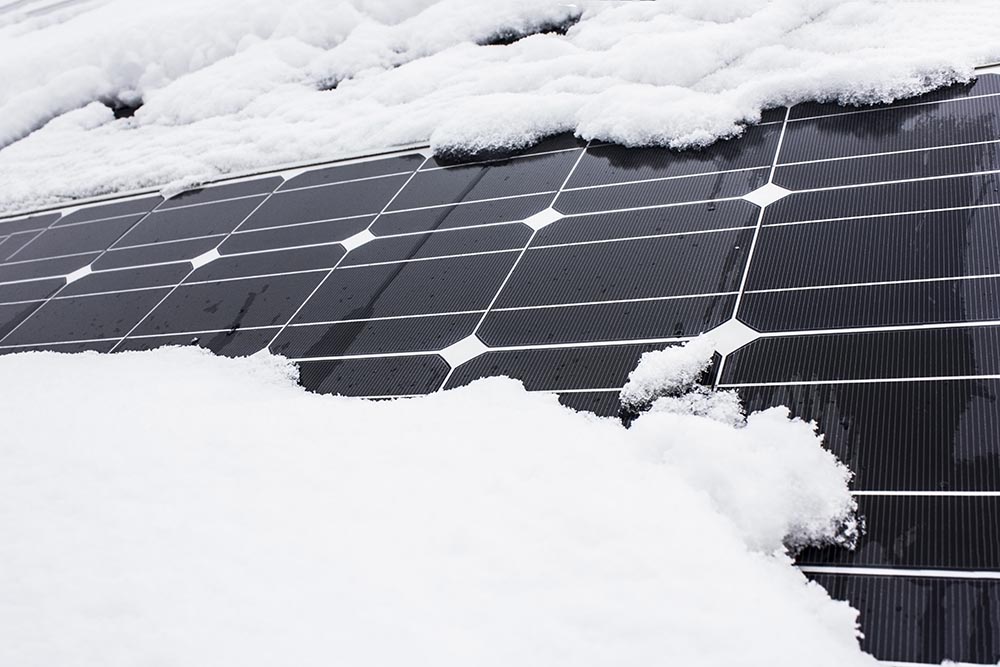
Snow is a double-edged sword. Fresh snow on panels blocks sunlight completely, stopping energy production until it melts or is brushed off. But snow can also help: It reflects extra light onto your panels and keeps them clean as it slides off.
A light dusting of snow often melts quickly or slides away, especially if panels are angled steeply. In areas with heavy snowfalls, you may need to clear panels manually, but it’s important to use safe, non-scratching tools. Interestingly, the bright white of snow on the ground (the albedo effect) can increase the amount of sunlight reaching your panels, sometimes boosting production on clear days after a storm.
6. Dirty Panels
Winter can bring dust, pollen, and debris that stick to panels, especially if snow melts and dries. Dirty panels do not produce as much energy, so regular cleaning is important for maximum performance.
While many people focus on snow, winter winds can also blow dust and particles onto your panels. With less rainfall to wash them clean, buildup can gradually lower output. If you live in an area with lots of trees, falling leaves or pine needles can also cover your panels.
Regular inspection and cleaning—even with just a soft brush or hose—can make a noticeable difference.
How Much Energy Do Solar Panels Produce In Winter?
Real-world numbers matter more than theory. How much less energy should you expect in winter, and what does it mean for your home or business?
Seasonal Production Drop
Most solar panel owners see a drop in winter production. The size of the drop depends on where you live:
- In northern Europe or Canada, winter solar output may fall to 10–30% of summer levels.
- In southern regions (like California or southern Europe), winter production might only drop by 20–40%.
Here’s a simple comparison for a 5 kW solar system in two different cities:
| City | Average Summer Output (kWh/month) | Average Winter Output (kWh/month) | % Drop in Winter |
|---|---|---|---|
| Berlin, Germany | 500 | 120 | 76% |
| Los Angeles, USA | 700 | 480 | 31% |
The actual numbers depend on roof direction, shading, and local weather. But almost everywhere, solar panels continue to generate some energy—even on snowy or overcast days.
It’s also important to remember that solar panels are sized for your annual needs, not just winter. If your system is sized well, your higher summer production will “make up” for winter dips, especially if your area offers net metering.
Not Obvious: Peak Sun Hours Matter
Peak sun hours describe how much strong sunlight your location receives per day. Winter reduces these hours, but even in cloudy regions, panels can collect enough energy for basic needs. Many homes use grid electricity as backup, relying on solar for most of the year.
For example, a city that gets 5 peak sun hours in summer might get only 2 in winter, cutting output by more than half. Knowing your local peak sun hours for each season helps you predict and plan for winter output.
Snow Impact Example
A heavy snowstorm can stop solar production for a day or two, but panels often warm up enough to melt snow quickly. Studies in Minnesota found that snow cover reduced annual output by less than 5%, since snow usually slides off or melts within a few days.
It’s easy to overestimate the impact of snow. While a single storm might block panels for a few hours or even a day, the overall loss over the year is minor in most climates. In fact, many homeowners report that their panels are clear again within 24 hours of a typical snow event, especially if the sun comes out.
Myths And Misconceptions About Winter Solar Power
Many people believe solar panels are only for sunny, warm places. Let’s clear up some common myths.
Myth 1: Solar Panels Don’t Work In Cold Climates
This is false. Some of the world’s top solar countries, like Germany and Canada, have long, cold winters. Solar panels need light, not heat. On clear, cold days, they can work better than in hot summer weather.
In fact, the largest solar farms in some regions are located far from the equator. Germany, for instance, is at a similar latitude to parts of Canada, yet it leads the world in solar adoption. The key is not temperature, but total yearly sunlight and smart system design.
Myth 2: Snow Will Ruin Solar Panels
Panels are built to survive tough weather. Most snow slides off because panels are smooth and tilted. A heavy snow may stop generation for a short time, but it does not damage the panels.
The frames and mounts are engineered to withstand high snow loads and ice. In fact, snow can sometimes benefit panels by cleaning them as it slides off. If you’re concerned, check your panel’s snow load rating before installation.
Myth 3: No Sun Means No Power
Even on cloudy days, panels can make power from diffuse sunlight. While production is lower, it does not drop to zero unless the panels are completely covered.
It’s a common surprise for new owners to see some power generated even on gray, gloomy days. This is because the panels respond to any photons—direct or scattered.
Myth 4: Solar Is Not Worth It In Winter
While winter output drops, annual production is what matters. Solar is a long-term investment. Good system design and storage can provide energy year-round.
If you plan your system for your yearly needs, you’ll see savings over the life of your panels, not just in the sunny months.
Advantages Of Solar Panels In Winter
It might sound strange, but winter has some unique benefits for solar users.
1. Increased Efficiency In Cold Weather
Semiconductor materials work better at lower temperatures. When it’s hot, electrons in the panel move too much, increasing resistance and lowering output. Cold, clear days actually boost efficiency.
On a crisp, sunny winter day, your panels might reach or exceed their rated output if the sunlight is strong enough. This surprises many owners who expect only summer to be “peak” season.
2. Snow Cleaning Effect
Fresh snow can “clean” panels as it melts and slides off, removing dust and debris. This often leads to slightly higher production after a snowstorm compared to before.
This self-cleaning effect is especially noticeable in areas with regular snowfall but frequent sunny breaks. Over time, less dust and pollen means higher average efficiency.
3. Sunlight Reflection
Bright snow on the ground reflects extra sunlight onto your panels, sometimes increasing the amount of light they receive. This is called the albedo effect.
Panels installed close to the ground, or on flat roofs, can see a measurable boost from this reflected light. In some cases, the extra reflected sunlight can raise winter output by several percent.
4. Stronger Sunlight In Some Areas
In high-altitude regions, the sun’s rays are less filtered by the atmosphere in winter, which can result in surprisingly good production on clear days.
For example, homes in the Rocky Mountains or Swiss Alps often see sharp, clear sunlight even in winter—making solar a viable choice even where snow is deep.
How To Maximize Solar Panel Performance In Winter
Winter brings challenges, but smart strategies can keep your system working efficiently.
1. Panel Tilt And Orientation
Panels should face true south (in the northern hemisphere) and be tilted at an angle close to your latitude plus 10–15 degrees for winter. This helps them catch more low-angle sunlight.
Adjustable mounting systems allow you to change the tilt of your panels seasonally. This isn’t always practical for home roofs, but for ground-mounted arrays or commercial installations, it can boost winter output by as much as 20%.
2. Snow Management
Clearing snow quickly restores power generation. Use a soft brush or roof rake designed for solar panels. Avoid using metal tools—they can scratch the glass.
If your panels are hard to reach, waiting for the sun to melt the snow is a safe option. Black panels absorb heat quickly, often melting light snow within hours of sunshine. For heavy, wet snow, manual clearing helps get your system back online faster.
3. Monitoring Systems
Install a solar monitoring system. These tools show real-time production and alert you if output drops, so you can act fast if snow or dirt is a problem.
Many inverters now include apps that send notifications to your phone if your production falls suddenly. This helps you spot snow blockages or technical issues right away.
4. Battery Storage
Pairing solar with a home battery (like the Tesla Powerwall) stores extra energy for use during dark or snowy days. Batteries help keep your lights on even if the panels are temporarily blocked.
Having a battery also means you can make use of grid power when it’s cheapest (at night or off-peak hours), then use stored solar when rates are highest.
5. Regular Cleaning
Dirty panels reduce output. In winter, clean off dust, pollen, or leaves as needed. Rain and melting snow help, but manual cleaning may be needed in dry, cold climates.
Don’t forget to check your panels after autumn leaves drop or after windstorms, as debris can sometimes go unnoticed under light snow.
6. Shading Solutions
Trim trees and remove obstacles that block sunlight, especially in winter when the sun is low. Even a small shadow can lower output on all connected panels.
Consider microinverters or power optimizers, which allow each panel to operate independently—reducing losses from partial shading.
Case Studies: Solar Panels In Cold Climates
Learning from real-world examples is the best way to understand what’s possible.
Germany: Leading Solar In Northern Europe
Germany gets less sunlight than most of the U. S. , but solar provides over 8% of its electricity. Most homes see a big drop in winter output, but the annual savings make it worthwhile. Smart panel placement and grid backup keep the system reliable.
German solar users often install panels at steeper angles to shed snow and maximize winter sunlight. The country’s strong grid and advanced metering allow solar owners to “bank” summer energy for winter use.
Canada: Solar In The Snow
In Alberta, a typical home solar system produces about 30% less energy in winter, but panels are designed to withstand freezing temperatures and heavy snow. Homeowners report that snow slides off quickly, and the panels work well even on very cold days.
Some Canadian users have installed panels on frames that allow seasonal tilt adjustments, helping them catch more winter sun. Despite long winters, the economics remain solid thanks to government rebates and net metering.
Alaska: Solar Above The Arctic Circle
You might be surprised to learn that even in Alaska, solar is growing. Winter days are very short, but from March to September, long daylight hours make up for it. Solar helps remote villages cut fuel costs, showing it’s possible even in harsh climates.
In some Alaskan communities, solar is combined with batteries and small wind turbines to provide reliable off-grid power all year.
Comparing Solar Performance: Winter Vs. Summer
Let’s look at how solar output changes from season to season.
| Season | Average Daily Sunlight Hours | Panel Output (% of Max) | Typical Challenges |
|---|---|---|---|
| Summer | 12–16 | 100% | High temperatures may reduce efficiency |
| Winter | 6–8 | 30–70% | Short days, snow cover, low sun angle |
Key insight: Even with lower output, solar panels still work in winter and can cover a large part of your energy needs.
Another detail: In regions with heavy summer air conditioning use, your solar panels may “overproduce” in summer, allowing you to store or credit the extra power for use in winter.
Credit: www.ionsolar.com
Financial Impact: Will Winter Affect Your Solar Savings?
A common worry is that low winter production means poor savings. But the full story is more complex.
Annual Production Vs. Monthly Bills
Solar is an investment measured over years, not months. You may pay more for grid electricity in winter, but summer production can “pay back” the difference. Many utilities offer net metering, which lets you earn credit for extra summer power to use during winter.
In practical terms, most homeowners see their annual utility costs drop sharply, even if their winter bills are a bit higher than in summer. The key is to look at your yearly average—not just your winter statements.
Payback Period
In most regions, the payback period for a solar system is 6–10 years. This accounts for lower winter output and higher summer savings. Over 25 years, most users save thousands of dollars—even in snowy climates.
The real value comes from long-term savings and protection from rising energy costs. In places with cold winters and high heating bills, solar can help offset some of those costs, especially if you use electric heat pumps.
Government Incentives
Many countries and states offer incentives, tax credits, or rebates for solar installations. These can offset lower winter production by reducing your up-front costs.
It’s worth checking your local and national programs—some offer extra rewards for energy storage or for systems in challenging climates.
Technologies That Improve Winter Performance
Solar technology has advanced rapidly. Here are some features that help panels work better in winter.
1. Anti-reflective Coatings
Special coatings on the glass reduce light loss, increasing the amount of sunlight absorbed. This matters most when the sun is low or skies are cloudy.
These coatings can also help prevent water and snow from sticking to the surface, making panels easier to keep clean.
2. Frameless Panels
Frameless designs make it easier for snow to slide off, reducing downtime and maintenance.
Without a raised edge to catch snow, frameless panels often clear themselves more quickly after a storm.
3. Bifacial Panels
These panels collect sunlight from both sides. They can use reflected light from snow-covered ground, boosting winter output.
Bifacial panels are becoming more popular on commercial buildings and ground-mount systems, especially in snowy or high-albedo regions.
4. Microinverters
Unlike traditional string inverters, microinverters let each panel work independently. If one panel is shaded by snow, the rest keep working at full power.
This technology helps you avoid losing output from the whole array when just one panel is blocked.
5. Smart Monitoring Apps
Modern systems come with apps that show output in real time and alert you to problems. This helps you spot and fix winter issues fast.
Some advanced apps even suggest when to clean your panels or send maintenance reminders based on local weather.
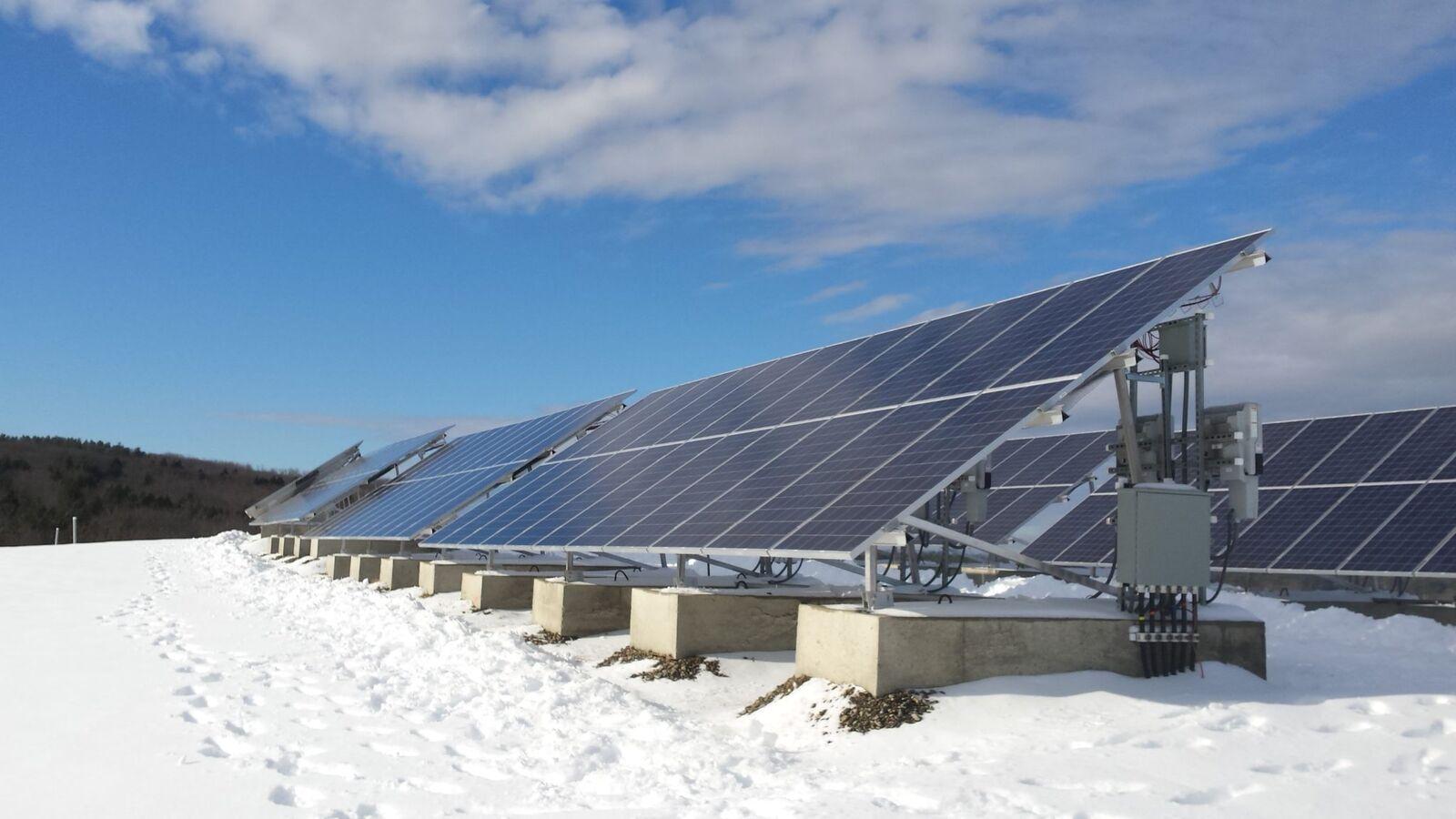
Credit: www.revisionenergy.com
Practical Tips For Homeowners
Here’s how to get the most from your solar panels in winter:
- Check your panels after snowfalls. Brush off snow using a soft tool.
- Monitor system output. If numbers drop, look for snow or debris.
- Trim nearby trees. Cut back branches that cast shadows.
- Install panels at a steeper angle. This encourages snow to slide off.
- Keep panels clean. Remove dust, leaves, and dirt as needed.
- Use a battery backup. Store summer energy for winter use.
- Ask your installer about winter upgrades. Choose features that help in cold climates.
Also, consider discussing with your installer about the best location for your panels and whether ground mounts or adjustable frames are right for you. Sometimes, a small design change can make a big difference in winter performance.
Solar Panel Lifespan And Winter Durability
Solar panels are built to last, even through tough winters.
Snow Load Rating
Panels are tested to handle heavy snow and wind. Quality panels come with a snow load rating—check this before buying. Most can support over 5,000 Pascals, which equals about 100 pounds per square foot.
It’s wise to ask your installer about the local building code and choose panels and mounting systems rated for your area’s heaviest expected snow.
Weatherproof Materials
Glass, aluminum, and high-grade silicone seals protect the panels from ice and water. The electronics are sealed to prevent freezing.
Some systems use heated cables or special coatings to reduce ice buildup on mounts or wiring. This is rarely needed for panels themselves but can help in extreme climates.
Maintenance Needs
Solar systems need little maintenance, but inspecting them after big storms is wise. Look for cracks, broken mounts, or heavy ice buildup.
Regularly check connections and the inverter for any signs of water or ice damage, especially after a severe winter season.
Warranty
Most panels come with a 25-year output warranty. Winter weather is considered during design and testing, so you can be confident your investment will last.
Good installers will also offer workmanship warranties covering installation quality and roof penetrations, so your entire system is protected.

Credit: www.deegesolar.co.uk
Common Mistakes To Avoid
Even experienced homeowners make errors with winter solar. Here are some to watch for:
- Ignoring snow buildup. Even a thin layer can block most sunlight.
- Using metal tools to clean panels. This scratches the surface and voids the warranty.
- Placing panels flat. Flat panels collect more snow and dirt.
- Not monitoring performance. Small problems can go unnoticed in winter’s low light.
- Skipping regular cleaning. Dust and debris matter more in winter with less sun.
- Choosing the wrong inverter. Standard string inverters lose more output if one panel is shaded.
A less obvious error is failing to trim trees or bushes after summer growth. Plants that did not shade your panels in summer may cast long shadows in winter when the sun is lower.
How Solar Works With The Grid In Winter
Most solar homes stay connected to the grid year-round. Here’s how it works in winter:
- Grid-tied systems: You use solar power first, then buy from the grid when needed.
- Net metering: Extra power made in summer earns credits, which you use to pay for winter grid electricity.
- Off-grid systems: Batteries or backup generators supply power when solar output drops.
In most regions, a grid-tied system is best for winter reliability.
It’s also worth noting that in some places, grid power is more expensive during winter (because of higher demand), making your solar production more valuable.
Solar Panel Performance In Different Climates
Not all winters are the same. Here’s how climate affects solar output:
| Climate Type | Winter Challenge | Solar Panel Solution |
|---|---|---|
| Cold & Sunny (e.g., Colorado) | Snow cover, low sun angle | Steep tilt, regular snow clearing |
| Cold & Cloudy (e.g., UK) | Few sunny days | High-efficiency panels, battery backup |
| Wet & Mild (e.g., Pacific Northwest) | Rain, moss growth | Regular cleaning, anti-reflective glass |
| Very Cold & Dry (e.g., Siberia) | Extreme cold, snow load | Panels rated for heavy snow, durable mounts |
Choose the right system for your climate to get the best year-round results.
Another thing to consider: local weather patterns. For example, regions with frequent freeze-thaw cycles may see more ice buildup, so sturdy mounts and regular inspections are important.
Battery Storage: Power For Dark Winter Days
Adding batteries to your solar setup is smart for winter. Here’s why:
- Store summer energy: Use it when days are short.
- Reduce grid costs: Draw from your battery, not the grid.
- Emergency backup: Stay powered during winter storms or outages.
Modern batteries last 10–15 years and work well in cold weather, though they should be installed indoors or in an insulated space.
Some systems also allow for “time-of-use” optimization, letting you use stored energy when electricity rates are highest, which is often in the evening or during winter peaks.
Innovations On The Horizon
Solar technology keeps improving. Some future trends that may boost winter performance:
- Self-heating panels: Use a little electricity to melt snow automatically.
- Higher-efficiency materials: New types of silicon and perovskite cells work better in low light.
- Smart tracking mounts: Move panels to follow the sun, even at low winter angles.
- Improved coatings: Nanotech surfaces repel snow, ice, and dirt.
For example, researchers are developing solar panels with built-in heating wires that activate only when snow is detected, melting it away with minimal energy use.
Watch for these upgrades if you want to get the most out of your system, even in tough winters.
Is Solar Worth It If You Live In A Cold, Snowy Area?
The evidence says yes—if you plan carefully. Solar panels work all year, even in snowy regions. Annual savings, long warranties, and modern technology make solar a smart investment. The key is to design your system for local winter challenges and stay on top of maintenance.
For more technical details, the U.S. Department of Energy offers an in-depth guide at energy.gov.
Frequently Asked Questions
Do Solar Panels Stop Working If They’re Covered In Snow?
If panels are completely covered, they cannot produce power. But most panels are installed at an angle, so snow usually slides off quickly. Clearing snow as soon as possible restores production. A brief loss in output does not harm the panels.
Some owners use gentle heating mats or air blowers for hard-to-reach panels, but for most homes, manual clearing or waiting for the sun is enough.
How Much Less Energy Do Solar Panels Make In Winter?
Most homes see a 30–70% drop in solar output during winter, depending on location and weather. Cloudy, snowy regions see larger drops. However, annual savings remain strong, and net metering can balance seasonal changes.
It’s also possible to estimate your own winter output using local “peak sun hours” data. Your installer can help you predict what to expect in your area.
Will Cold Weather Damage My Solar Panels?
No. Solar panels are tested for extreme temperatures and heavy snow. Cold actually improves their efficiency. Just check for physical damage after major storms and clear heavy snow if needed.
Panels that pass international standards (like IEC 61215) are specifically tested for thermal cycling, humidity, and snow load.
Can I Use Solar Power During Winter Blackouts?
If you have a battery storage system, you can use stored solar energy during blackouts. Grid-tied systems without batteries usually shut off for safety when the grid goes down. A battery backup keeps your home powered in emergencies.
Some advanced systems now offer “islanding” capability, letting you use solar power even when the grid is down, but this requires special equipment.
Is It Worth Installing Solar Panels If My Region Has Long Winters?
Yes, as long as you size your system for annual needs and consider winter challenges. Many cold, snowy regions have successful solar programs. Good design, battery backup, and regular maintenance make solar a smart choice in almost any climate.
If you plan ahead and use the right technology, your solar investment will pay off—no matter what winter brings.
Winter brings challenges, but solar energy offers year-round rewards. Understanding how your system works in cold, snowy months helps you get the most from your investment—no matter where you live.