Solar panels have changed the way people think about energy and electricity. Many homeowners and businesses are turning to solar power to save money and help the environment. But one question comes up again and again: Do solar panels work at night? This is not just a simple yes or no answer. To truly understand, you need to look at how solar panels function, how energy can be stored, and what happens when the sun goes down.
This article will guide you through everything you need to know about solar panels and their performance at night. You’ll learn the science, see real data, and discover solutions for nighttime power. If you are thinking about installing solar panels or just curious about how they work, you’ll find clear explanations here.
How Solar Panels Generate Electricity
Solar panels use a technology called photovoltaics. The key part is the solar cell, usually made from silicon. When sunlight hits the cell, it knocks electrons loose. These moving electrons create an electric current. This process is called the photovoltaic effect.
But the important thing to know is that solar cells need light—especially sunlight—to work. The more sunlight they get, the more electricity they make. Without sunlight, the process stops.
Daytime Vs. Nighttime: What Changes?
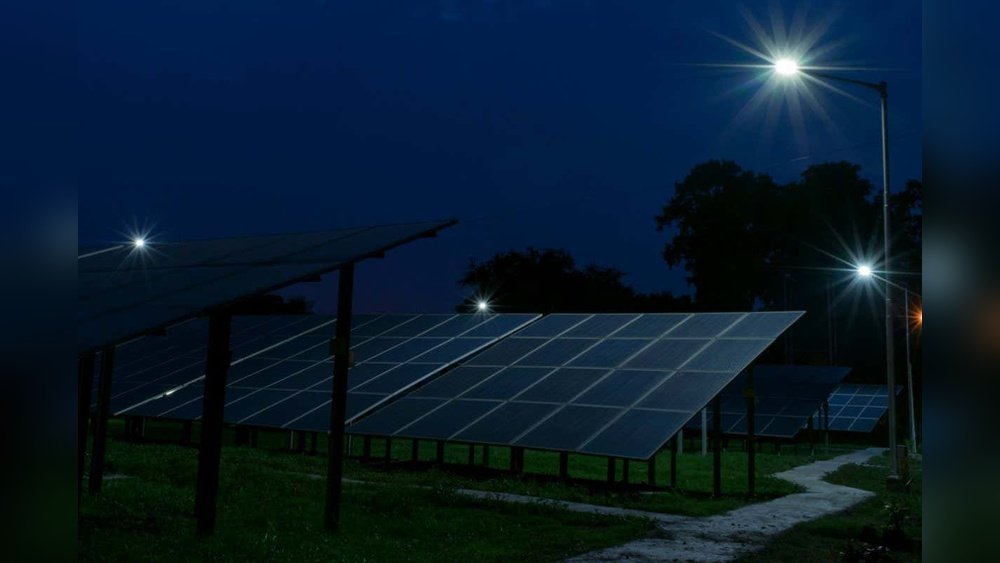
During the day, solar panels are busy. They absorb sunlight and produce electricity. But at night, there is no sunlight. That means the photovoltaic effect does not happen.
Some people think moonlight or streetlights could make solar panels work at night. In reality, these light sources are much weaker than the sun. Moonlight is just sunlight reflected off the moon, and it is about 400,000 times dimmer than daylight.
Even the best solar panels cannot generate useful power from such weak light.
What Happens To Your Home At Night?
If your home is powered by solar panels, what happens when the sun goes down? There are three main ways your home can still get electricity:
- Using stored solar energy in batteries
- Switching to the electric grid
- Hybrid solutions that mix both
Let’s look closer at each option.
1. Using Stored Solar Energy In Batteries
Many solar systems now include solar batteries. These batteries store extra energy made during the day. At night, your home uses the stored energy. The most popular type is the lithium-ion battery, but there are other types as well.
A typical home battery can store enough power for a few hours or sometimes all night, depending on the size. If you use energy wisely, you can run lights, charge your phone, and even power a fridge from battery storage.
2. Switching To The Electric Grid
If you do not have a battery, your solar system usually connects to the main power grid. When the sun is shining, you use solar power. At night, you automatically switch to grid electricity.
Some places use net metering. This means your solar panels send extra power to the grid during the day, and you earn credits. At night, you use electricity from the grid, and your credits pay for it. This system helps you save money.
3. Hybrid Solutions
Some homes use a mix of batteries and grid power. For example, you might use battery power for a few hours after sunset, then switch to the grid when the battery runs out. This approach can give you more independence from the electric company.
Can Solar Panels Work With Moonlight Or Artificial Light?
You might wonder if solar panels can use moonlight or streetlights at night. In theory, any light can create a small amount of electricity in a solar cell. But in practice, only sunlight is strong enough to make useful power.
Moonlight is about 0. 1 lux, while sunlight is about 100,000 lux. That’s a huge difference. Artificial lights, such as street lamps, are also very weak compared to the sun. Any energy produced is so small that it can’t run your home or even charge a phone.
Non-obvious insight: Even if you put a strong spotlight right on a solar panel, it would not produce much power. Solar panels are designed for sunlight, which is much more intense than man-made lights.
How Solar Batteries Work
If you want to use solar energy at night, you need a way to store it. This is where solar batteries come in. Here’s how the process works:
- During the day, your solar panels make more electricity than you use.
- The extra electricity charges your battery.
- At night, when your panels stop working, your battery gives you power.
The most common solar batteries for homes are:
- Lithium-ion batteries: Long life, high efficiency, and reliable.
- Lead-acid batteries: Cheaper but heavier and less efficient.
- Saltwater batteries: Environmentally friendly but less common.
Here’s a comparison of common battery types:
| Battery Type | Lifespan (cycles) | Efficiency (%) | Cost |
|---|---|---|---|
| Lithium-ion | 5,000-7,000 | 90-95 | High |
| Lead-acid | 500-1,000 | 80-85 | Low |
| Saltwater | 3,000-5,000 | 85-90 | Medium |
Practical tip: Choose a battery based on your needs. If you want to run many devices at night, a large lithium-ion battery is best. For occasional backup, a smaller battery may be enough.
Grid-tied Systems And Net Metering
Most solar homes are connected to the electric grid. This is called a grid-tied system. When your panels make extra energy, it goes to the grid. When your panels stop (such as at night), you draw power from the grid.
Net metering is a billing system for grid-tied solar homes. Here’s how it works:
- Your solar panels make extra electricity during the day.
- You send this extra power to the grid.
- Your utility company gives you credits.
- At night, you use grid power, and your credits reduce your bill.
This system is popular in the United States and many other countries. It makes solar power more affordable and practical for many people.
Example: A Home With Net Metering
Imagine you use 30 kilowatt-hours (kWh) of electricity per day. Your panels make 20 kWh during the day, and you use 10 kWh at night. With net metering, your daytime extra power is credited. At night, you use the grid and pay only for the difference.
Off-grid Solar Systems At Night
Some people live in remote areas with no access to the electric grid. They use off-grid solar systems. In these homes, batteries are essential. Without batteries, you would have no power at night.
Off-grid systems usually include:
- Extra solar panels (to make more energy)
- Large battery banks (to store enough for several days)
- Backup generators (for emergencies)
Living off-grid means planning carefully. You must know how much energy you use and make sure your system can store enough for cloudy days or long nights.
Factors That Affect Nighttime Power From Solar
Whether you have power at night from your solar panels depends on several things:
- Battery size and type: Bigger batteries can store more energy.
- Daytime sunlight: More sun means more energy to store.
- Energy use patterns: If you use most of your power during the day, you need less at night.
- Season and weather: Winter days are shorter, and clouds reduce solar output.
Here’s a table comparing how different situations affect nighttime power:
| Factor | Effect on Nighttime Power |
|---|---|
| Battery Capacity | More capacity = more power available at night |
| Daytime Sunlight Hours | More sunlight = more energy stored |
| Household Energy Use | Lower use = batteries last longer overnight |
| Season (Summer/Winter) | Winter = less solar, shorter days, more battery needed |
| Weather (Cloudy/Sunny) | Cloudy = less energy produced and stored |
Non-obvious insight: Many people forget to check their nighttime energy needs before choosing a battery. If you use air conditioning or electric heating at night, you’ll need a much larger battery bank than someone who only runs lights and small devices.
Emerging Technologies: Can Future Solar Panels Work At Night?
Scientists are always looking for ways to make solar panels work at night. There are some interesting new technologies being tested.
1. Thermoradiative Cells
These special cells work in the opposite way of normal solar panels. Instead of using sunlight, they generate electricity from the heat that radiates from the Earth into space at night. This technology is still in the lab stage, but it could someday provide small amounts of power after sunset.
2. Hybrid Solar Panels
Some engineers are designing hybrid panels that combine solar cells with other technologies, such as thermal collectors or mini wind turbines. These can make energy from heat or wind when there is no sun.
3. Advanced Energy Storage
Better batteries and new energy storage methods, such as flow batteries or hydrogen storage, could make it easier to store more solar energy for nighttime use.
4. Solar Windows And New Materials
Researchers are developing new materials that can use a wider range of light, including weak light at dawn or dusk. These technologies may help capture more energy, but they still will not provide full power at night.
Important note: None of these technologies can make normal solar panels produce power in the dark right now. But they show the future may be different.
Common Myths About Solar Panels And Nighttime Use
There are many myths about how solar panels work at night. Let’s clear up some of the biggest ones:
- Myth: Solar panels work with moonlight.
Fact: Moonlight is too weak to make usable power.
- Myth: Solar panels can run your whole home at night without batteries.
Fact: You need batteries or grid power for nighttime use.
- Myth: Larger panels can produce more at night.
Fact: Size does not matter if there is no sunlight.
- Myth: Solar panels store energy themselves.
Fact: Panels only make energy. Batteries do the storing.
- Myth: Net metering means you never pay for power.
Fact: You only get credit for the extra energy you send to the grid.
Real-world Examples: Solar Power At Night
Many homes and businesses use solar power successfully. Here are a few real-life examples that show how people handle nighttime energy needs.
Example 1: Suburban Home With Battery Backup
A family in California installed 20 solar panels and a 13.5 kWh Tesla Powerwall battery. During the day, the panels power the home and charge the battery. At night, the battery powers the home for up to 10 hours. If the battery runs out, the system switches to the grid automatically.
Example 2: Off-grid Cabin
A small cabin in the mountains uses 8 solar panels and a large lead-acid battery bank. There is no grid connection. The owners use energy-saving lights and only run appliances during the day. The batteries provide enough power for lights and a small fridge overnight.
Example 3: Business With Net Metering
A small business in Texas uses a grid-tied solar system with net metering. During the day, solar panels cover 80% of the business’s energy use. At night, the business uses grid power and pays for the difference. Over a year, they cut their energy bill by 60%.
How To Plan For Nighttime Solar Power
If you want your solar system to cover your nighttime needs, you must plan carefully. Here’s how:
- Calculate your nighttime use: Look at your electric bills or use an energy monitor.
- Choose the right battery size: Make sure your battery can store enough energy for your needs.
- Consider your location: If you live in a place with long winter nights, you’ll need a bigger battery.
- Think about backup power: For long cloudy periods, a backup generator may be useful.
- Work with a professional: An experienced solar installer can help you design the best system.
Cost Of Solar Storage For Night Use
Adding batteries to your solar system increases the cost. Here are some typical numbers:
- A 10 kWh battery costs $7,000 to $12,000 installed.
- A full off-grid system (panels, batteries, inverter) can cost $30,000 or more.
- Grid-tied systems without batteries are cheaper, often $10,000 to $20,000 for an average home.
Data point: Battery prices are dropping. In 2010, a lithium-ion battery cost about $1,200 per kWh. In 2023, it’s closer to $140 per kWh, and prices keep falling.
Non-obvious insight: Many people forget that batteries wear out. Most need replacing after 10-15 years, so include this in your cost planning.
Credit: insolationenergy.in
Environmental Impact: Nighttime Solar And Storage
Solar panels are good for the environment because they reduce carbon emissions. But what about batteries?
- Lithium-ion batteries use rare metals and require energy to make, but they can be recycled.
- Lead-acid batteries are 99% recyclable but have more toxic materials.
- Saltwater batteries are less toxic but less common.
Using solar energy at night reduces the need for fossil fuels. Even with the impact of making batteries, solar plus storage is much cleaner than coal or gas power.
Tip: Choose batteries from companies with good recycling programs.
How Solar Power Works On Cloudy Days And At Night
Cloudy days can make solar panels less effective, but they still work—just at lower power. At night, as explained, they stop working.
If you live in a place with many cloudy days, you will need:
- More panels (to collect enough energy)
- Bigger batteries (to store extra for when the sun is out)
- A backup plan (such as a generator or grid connection)
Here’s a table showing solar panel output on different days:
| Weather | Panel Output (%) |
|---|---|
| Sunny | 100 |
| Partly Cloudy | 70-80 |
| Overcast | 10-25 |
| Night | 0 |
Practical insight: Solar panels are still worth it in cloudy areas, but you must design your system for lower average output.
Benefits And Drawbacks Of Solar Power For Nighttime Use
Benefits
- Lower energy bills: Store solar energy to use at night instead of buying from the grid.
- Backup power: Batteries keep your lights on during blackouts.
- Clean energy: Less pollution and lower carbon footprint.
- Energy independence: Less reliance on the electric company.
Drawbacks
- Upfront cost: Batteries add to the price of your solar system.
- Battery replacement: Batteries wear out and must be replaced.
- Storage limits: Large homes need big battery banks, which cost more.
- Complexity: Off-grid systems need more planning and maintenance.
How To Make The Most Of Solar Power At Night
To get the best results, follow these steps:
- Use energy-efficient appliances: LED lights, energy-saving fridges, and smart plugs help your battery last longer.
- Time your energy use: Run big appliances during the day when the sun is shining.
- Monitor your system: Use an app or monitor to track battery and solar output.
- Maintain your system: Keep panels clean and batteries in good shape.
- Upgrade when possible: New technology can improve efficiency.
Non-obvious insight: Many people don’t realize that running a dishwasher or washing machine in the evening can drain batteries quickly. Try to do laundry or run big appliances during the day instead.
Credit: www.euronews.com
How Solar Energy Companies Are Responding
Solar companies know that nighttime power is important to customers. That’s why they now offer:
- All-in-one solar and battery packages
- Smart energy management systems to help you use less power at night
- Warranties and support for battery systems
- Flexible financing to help with upfront costs
Some companies even offer virtual power plants. In these systems, many home batteries are linked together to help balance the grid and earn owners extra money.
Global Perspective: Solar Power At Night Around The World
Solar power is used worldwide. Some countries lead the way in using solar plus storage.
- Germany: Many homes have solar and batteries, helped by government incentives.
- Australia: High electricity prices make batteries popular for solar homes.
- United States: California and Hawaii have many solar plus storage systems.
- China: The world’s biggest solar market, with growing battery use.
In sunny countries, solar and batteries can power whole villages at night. In cold northern countries, systems need to be larger to handle long winter nights.
Non-obvious insight: In some developing countries, small solar and battery kits are used to power lights and phones in places with no grid at all.

Credit: www.solar.com
The Future Of Solar Power At Night
Researchers are working on new ways to use solar energy after dark.
- Better batteries: Cheaper, longer-lasting, and safer.
- Smart grids: Balancing supply and demand, with home batteries helping the whole system.
- Alternative storage: Such as storing solar energy as heat, hydrogen, or compressed air.
- New solar cell types: That work in lower light or even from heat radiation.
While solar panels don’t make power at night today, the combination of solar plus storage is getting better and cheaper every year.
For more on new solar cell research, see this article from Wikipedia.
Key Takeaways
- Solar panels do not work at night because they need sunlight to make electricity.
- Homes can use stored solar energy in batteries or switch to grid power at night.
- Net metering helps save money by crediting extra daytime solar power.
- New technologies may someday allow solar power at night, but they are not ready yet.
- Careful planning and the right battery can keep your home running after dark.
Frequently Asked Questions
Do Solar Panels Make Any Power At Night?
No, solar panels need sunlight to make electricity. At night, there is not enough light for them to work.
Can I Use Solar Power At Night With Batteries?
Yes, if you have a battery, you can store extra solar energy made during the day and use it at night.
Does Net Metering Mean I Get Free Electricity At Night?
Net metering lets you earn credits for extra solar power sent to the grid during the day. At night, your credits can pay for grid electricity, but you still pay for any extra use.
Will Future Solar Panels Work At Night?
Scientists are testing new technologies, like thermoradiative cells, but normal solar panels will not work at night in the near future.
Is It Worth Adding Batteries To My Solar System?
Batteries add cost but give you backup power and more control. If you want to use solar at night or during blackouts, batteries are a good idea.
Solar panels are a powerful tool for clean energy, but they need sunlight. With smart planning and storage, you can enjoy solar power day and night. The future promises even better solutions for nighttime energy needs.