Have you ever wondered if your solar generator will still power your home when the sky is gray and cloudy? You might be worried that without bright sunshine, your solar setup won’t work at all.
The truth is, solar generators can still be reliable even on cloudy days—but there are some important details you need to know. Understanding how these devices perform in less-than-perfect weather can help you make smarter choices and never be left in the dark.
Keep reading, and you’ll discover exactly how solar generators behave when the sun hides behind the clouds.
How Solar Generators Capture Energy
Solar generators work by capturing energy from sunlight. They store this energy to power devices later. Understanding how they capture energy helps explain their use on cloudy days.
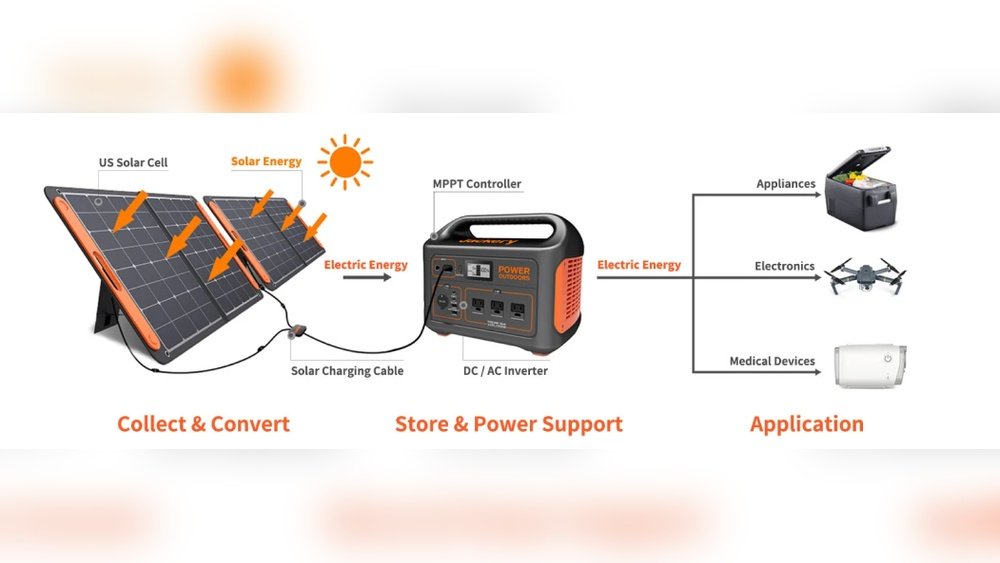
Solar panels are key parts of solar generators. They collect sunlight and turn it into electricity. This process depends on sunlight strength and the design of the panels.
Basics Of Solar Panels
Solar panels have many small units called solar cells. These cells are made of materials like silicon. When sunlight hits the cells, it causes electrons to move. This movement creates an electric current. Panels are connected to form larger arrays. More panels mean more energy captured.
Role Of Sunlight Intensity
Sunlight intensity affects how much energy panels can collect. Bright sunlight produces the most energy. On cloudy days, sunlight is weaker but still present. Panels absorb this weaker light, so they still generate some power. Energy output is lower but not zero.
Energy Conversion Process
The electric current from solar cells is direct current (DC). Most devices use alternating current (AC). Solar generators have an inverter that changes DC to AC. This makes the power ready for use. The energy then goes to batteries for storage or direct use.

Credit: oukitelpower.com
Impact Of Cloudy Weather
Cloudy weather affects solar generators in several ways. Clouds block sunlight, which solar panels need to make electricity. This change in sunlight impacts how well solar generators work. Understanding this helps you know what to expect during cloudy days.
Reduction In Solar Radiation
Clouds reduce the amount of sunlight reaching solar panels. Less sunlight means less solar radiation to convert into electricity. Thick clouds block more sunlight, while thin clouds let some light through. This reduction lowers the energy the solar generator can produce.
Effect On Power Output
Power output drops when solar radiation decreases. Solar generators produce less electricity under cloudy skies. The reduction can be significant, sometimes cutting output by half or more. Yet, solar panels still work and generate some power, just less than on sunny days.
Variability Based On Cloud Density
The power output varies with cloud thickness and type. Light clouds cause a small drop in electricity. Dense clouds cause a bigger drop, sometimes near zero output. Passing clouds cause fluctuating power levels. This variability means solar generators perform unevenly on cloudy days.
Real-world Performance On Cloudy Days
Solar generators rely on sunlight to produce energy. Clouds block some sunlight, so performance changes on cloudy days. Understanding how much energy these generators make in real life helps set clear expectations. Let’s explore actual results and feedback from users.
Average Energy Production Levels
Solar generators produce less power under cloudy skies. On average, energy output drops by 20% to 50%. Thick clouds cause bigger drops than light clouds. Some models handle cloudy conditions better due to advanced solar panels. Still, even with reduced power, solar generators can run small devices and charge batteries.
Case Studies And Experiments
Several studies measured solar generator output on cloudy days. One test showed a 30% drop during overcast weather. Another experiment found power levels stayed above 50% with scattered clouds. These tests prove solar generators still work but at lower efficiency. Data from real tests helps buyers understand what to expect in less sunny weather.
User Experiences
Many users report solar generators work well in cloudy weather. They say devices charge slower but do not stop charging. Some users recommend keeping the generator in a spot with the most light. Others suggest pairing solar generators with battery backups. User stories confirm solar generators provide useful power, even on gray days.
Technologies Improving Cloudy Day Efficiency
Solar generators often face challenges on cloudy days. Clouds reduce sunlight, making solar power weaker. New technologies help solar generators work better in such conditions. These improvements focus on capturing more light and saving energy efficiently. They make solar power more reliable even with less sun.
Advanced Solar Panel Materials
Scientists develop new materials for solar panels. These materials absorb more sunlight, even on cloudy days. Some panels use special coatings to catch scattered light. Others have thin layers that work better in low light. This technology improves energy capture during cloudy weather. It helps solar generators produce power consistently.
Tracking And Positioning Systems
Solar panels now use tracking systems. These systems move panels to follow the sun’s path. They adjust angles to catch the most light. Even on cloudy days, this helps panels get better exposure. Tracking systems increase energy output by optimizing sunlight capture. They make solar generators more effective throughout the day.
Energy Storage Solutions
Energy storage plays a big role in cloudy day power. Batteries store excess energy generated during sunny hours. This stored energy powers devices when sunlight is weak. New battery technologies last longer and charge faster. They provide a steady power supply regardless of weather. Storage solutions keep solar generators reliable and useful anytime.
Tips To Maximize Solar Generator Use In Cloudy Conditions
Solar generators can work on cloudy days, but their power output drops. Using them well during less sun means planning smart. Here are some tips to get the best use from solar generators under cloudy skies.
Optimal Placement Strategies
Place solar panels where they catch the most light. Avoid shadows from trees, buildings, or other objects. Tilt panels to match your latitude angle for better light capture. Move panels during the day if possible to follow the sun’s path. Even on cloudy days, better placement means more energy.
Maintenance For Efficiency
Keep solar panels clean from dust, dirt, and debris. Clean panels regularly with a soft cloth and water. Check for any cracks or damage that can reduce power. Tighten loose connections and inspect cables for wear. Well-maintained panels work better, even in low light.
Hybrid Energy Systems
Combine solar generators with other power sources like batteries or gas generators. Use battery storage to save power during sunny hours for cloudy times. Hybrid systems ensure steady energy supply without relying on sun alone. This mix helps keep devices running on cloudy days.
Credit: www.jackery.com
Credit: oupes.com
Frequently Asked Questions
Do Solar Generators Work Efficiently On Cloudy Days?
Solar generators do work on cloudy days but with reduced efficiency. They rely on sunlight, so less sun means lower power output. However, modern solar panels can still capture diffuse sunlight, allowing generators to function and charge batteries even in overcast conditions.
How Much Power Can Solar Generators Produce Without Direct Sunlight?
Without direct sunlight, solar generators produce significantly less power, around 10-25% of their peak capacity. Cloud cover blocks sunlight intensity, reducing energy absorption. The actual output depends on cloud density, panel quality, and system design, but generators remain somewhat operational on cloudy days.
Can Solar Generators Charge Batteries During Cloudy Weather?
Yes, solar generators can charge batteries during cloudy weather, but charging is slower. Diffused sunlight provides enough energy to maintain battery levels but not to fully recharge quickly. Battery storage helps store excess power when sunlight is available for use during cloudy periods.
What Factors Affect Solar Generator Performance On Cloudy Days?
Solar generator performance on cloudy days depends on panel type, cloud density, and system efficiency. Monocrystalline panels perform better in low light. Thicker clouds reduce sunlight more. Efficient charge controllers and battery storage also improve overall system reliability during cloudy weather.
Conclusion
Solar generators can still work on cloudy days. Clouds reduce sunlight but do not block it all. Solar panels capture some energy even in dim light. This means your generator will produce power, just less. It helps to have a backup plan for long cloudy periods.
Knowing this can guide your energy choices wisely. Solar power remains a good option in many weather conditions. Small changes help keep your devices running smoothly. Solar generators offer reliable energy, rain or shine.