Are you struggling to keep your solar panel charged when it’s not getting full sunlight? Charging a solar panel in partial shade can be tricky, but it’s not impossible.
If you’ve ever noticed your solar setup losing power even on sunny days, shade might be the hidden culprit. You’ll discover simple and effective ways to maximize your solar panel’s energy, even when shadows get in the way. Keep reading to unlock practical tips that will help you keep your devices powered up no matter where you place your panels.
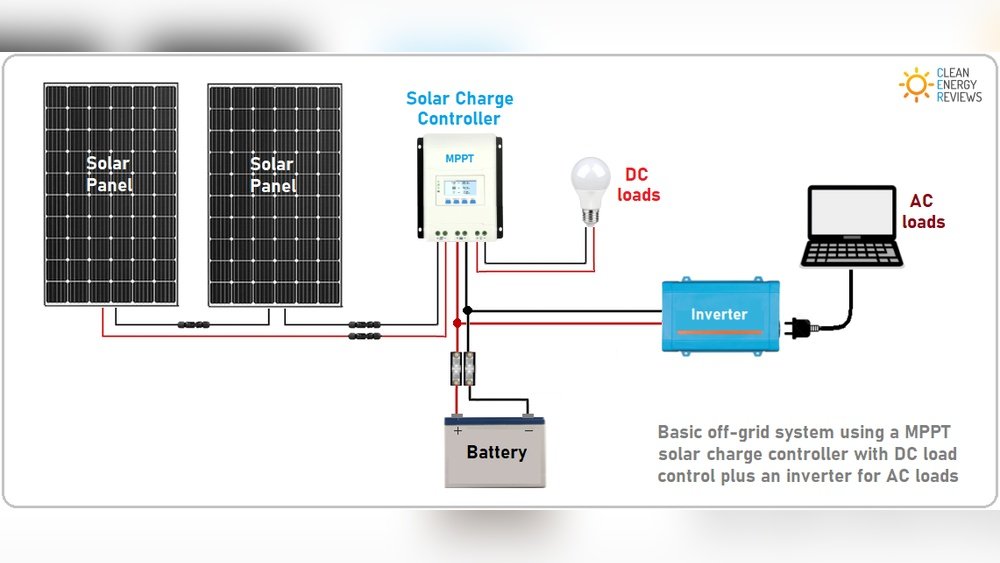
Credit: www.cleanenergyreviews.info
Impact Of Partial Shade On Solar Panels
Partial shade can greatly affect how well solar panels work. Even small shaded spots reduce the energy they produce. Understanding the impact of shade helps in setting up panels correctly. It also guides how to charge solar panels efficiently when full sun is not available.
Effect On Power Output
Solar panels produce less power in partial shade. Shaded areas block sunlight, cutting the energy the panel can make. This happens because solar cells work together. When one cell is shaded, it lowers the current for the whole panel. This can drop power output by 10% to 50% or more. The drop depends on how much shade covers the panel.
Shaded cells can cause hot spots. These hot spots damage the panel over time. They reduce the panel’s life and performance. Using panels with bypass diodes helps. These diodes allow current to skip shaded cells. This limits power loss and prevents damage.
Common Causes Of Partial Shade
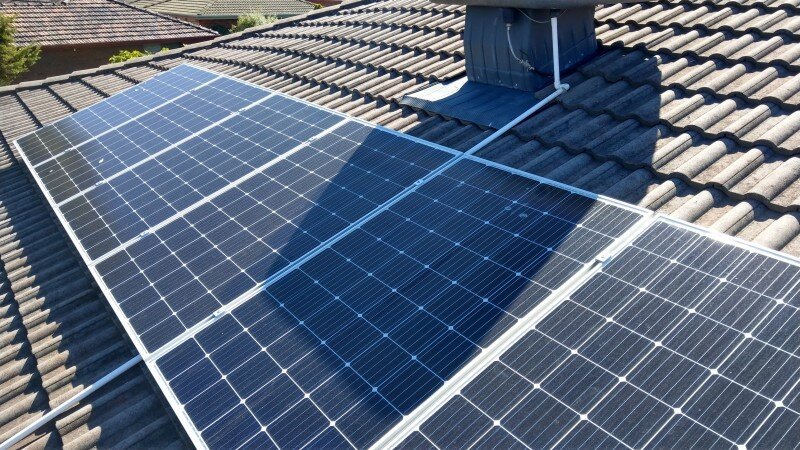
Partial shade comes from many sources. Trees and leaves often block sunlight on panels. Nearby buildings or walls can cast shadows. Roof structures or chimneys may also cause shade. Dirt, dust, and debris on panels create small shaded spots too. Even clouds moving across the sky cause temporary shade.
Shade changes during the day and seasons. Morning and evening sun angles create longer shadows. Trees grow and change, affecting shade patterns. Regular panel cleaning and trimming nearby branches help reduce shade. Planning panel placement away from shade sources is best.
Choosing The Right Solar Panel Type
Choosing the right solar panel type is important for charging in partial shade. Not all panels work well when some sunlight is blocked. Some panels handle shade better and keep charging your battery efficiently.
Understanding the differences between panel types helps pick the best one for your needs. This section explains two key points: the types of solar panels and special features that improve shade performance.
Monocrystalline Vs Polycrystalline
Monocrystalline panels are made from single crystal silicon. They are usually more efficient and produce more power in less space. These panels work better in low-light conditions than polycrystalline panels.
Polycrystalline panels are made from many silicon fragments melted together. They cost less but have lower efficiency. In partial shade, their power output drops faster than monocrystalline panels. For shaded areas, monocrystalline panels often perform better.
Panels With Bypass Diodes
Bypass diodes help solar panels work during shade. They allow electricity to flow around shaded cells. This prevents one shaded spot from lowering the whole panel’s power output.
Panels with bypass diodes keep charging batteries even if part of the panel is shaded. This feature is very useful in places with trees or buildings causing shadows. Choosing panels with bypass diodes improves performance in partial shade.
Optimizing Panel Placement
Optimizing the placement of solar panels is crucial for charging them effectively in partial shade. Panels must catch as much sunlight as possible despite shadows. Small changes in position can boost power output. Careful planning helps reduce shade impact and improve efficiency.
Identifying Shade Patterns
Observe the area around your solar panel throughout the day. Notice where and when shadows fall on the panel. Trees, buildings, and other objects create these shadows. Track the longest and darkest shade periods. Mark these spots to avoid placing panels there. Knowing shade patterns helps find the best location for your panels.
Adjusting Tilt And Orientation
Set the panel tilt to face the sun directly. Tilt angles depend on your latitude and season. Change the panel angle to catch more sunlight during shaded hours. Rotate panels to face south in the northern hemisphere. East or west facing can help if shade comes from one side. Adjustments improve light capture and power production.
Using Solar Trackers And Optimizers
Using solar trackers and optimizers can improve solar panel charging in partial shade. These tools help panels capture more sunlight and reduce power loss. They adjust the panel position or manage electricity flow for better efficiency. This section explains how solar trackers and optimizers work.
Benefits Of Solar Trackers
Solar trackers move panels to follow the sun’s path. This keeps panels facing sunlight longer. Trackers increase energy production by 10% to 25%. They reduce shading impact by changing the panel angle. Trackers also help panels avoid shadows from trees or buildings. This ensures more consistent power generation throughout the day.
Role Of Power Optimizers And Microinverters
Power optimizers and microinverters work at the panel level. They manage each panel’s output independently. This prevents one shaded panel from lowering the whole system’s power. Optimizers track the maximum power point for each panel. Microinverters convert direct current to alternating current at each panel. Both devices improve overall system efficiency in partial shade. They allow more energy to be harvested despite shading problems.
Regular Maintenance And Cleaning
Regular maintenance and cleaning keep solar panels working well in partial shade. Dirt and debris block sunlight and reduce power. Clean panels catch more sun, even with some shade. Checking panels for damage helps find problems early. Small issues can grow if not fixed quickly. Regular care improves solar panel life and output.
Removing Debris And Dirt
Remove leaves, dust, and dirt from the solar panels. Use a soft brush or cloth with water. Avoid harsh chemicals that may damage the surface. Clean panels absorb more sunlight and make more energy. Do this cleaning regularly, especially after storms or windy days. Clear panels help maintain steady charging in partial shade.
Inspecting For Damage
Look closely for cracks, chips, or loose wires. Small damage can stop panels from working well. Check the frame and mounting for rust or looseness. Fix or replace damaged parts quickly to avoid bigger issues. Regular inspections catch problems early and keep the system safe. Well-maintained panels last longer and charge better.
Energy Storage And Management
Energy storage and management play a key role in using solar panels under partial shade. Solar panels may not always produce steady power due to shading. Storing energy efficiently helps you use solar power even when sunlight is low. Managing this stored energy wisely ensures your devices get power when needed.
Choosing Suitable Batteries
Batteries store the electricity your solar panels generate. Pick batteries that work well with partial shade conditions. Lithium-ion and deep-cycle lead-acid batteries are good options. These batteries hold charge for a long time. They also handle frequent charging and discharging. Size the battery capacity to fit your daily energy use. A bigger battery can store more energy for cloudy days.
Smart Energy Management Systems
Smart energy systems control how stored power is used. They monitor battery health and energy levels. These systems decide when to store energy or supply it to devices. This helps prevent battery damage and power loss. Some systems allow remote monitoring via apps. They optimize energy use for better efficiency. Smart management maximizes the value of your solar setup in shade.
Additional Tips For Maximizing Efficiency
Solar panels often lose power in partial shade. Small steps can improve their energy output. Simple tools and smart setups help get more from your panels. Use these tips to boost your solar charging efficiency.
Using Reflectors
Reflectors bounce sunlight onto shaded solar panels. They help panels catch more light. Use shiny surfaces like mirrors or aluminum foil. Place them carefully to direct sunlight onto the panels. This method is cheap and easy to try. Reflectors increase light without extra costs. Adjust them during the day for best results.
Combining Solar Panels With Other Energy Sources
Pair solar panels with batteries or wind turbines. This combination keeps power steady. Batteries store extra energy for cloudy or shaded times. Wind turbines generate power when sunlight is low. Mixing energy sources reduces power loss. It ensures you have electricity even in partial shade. This setup improves overall energy reliability.
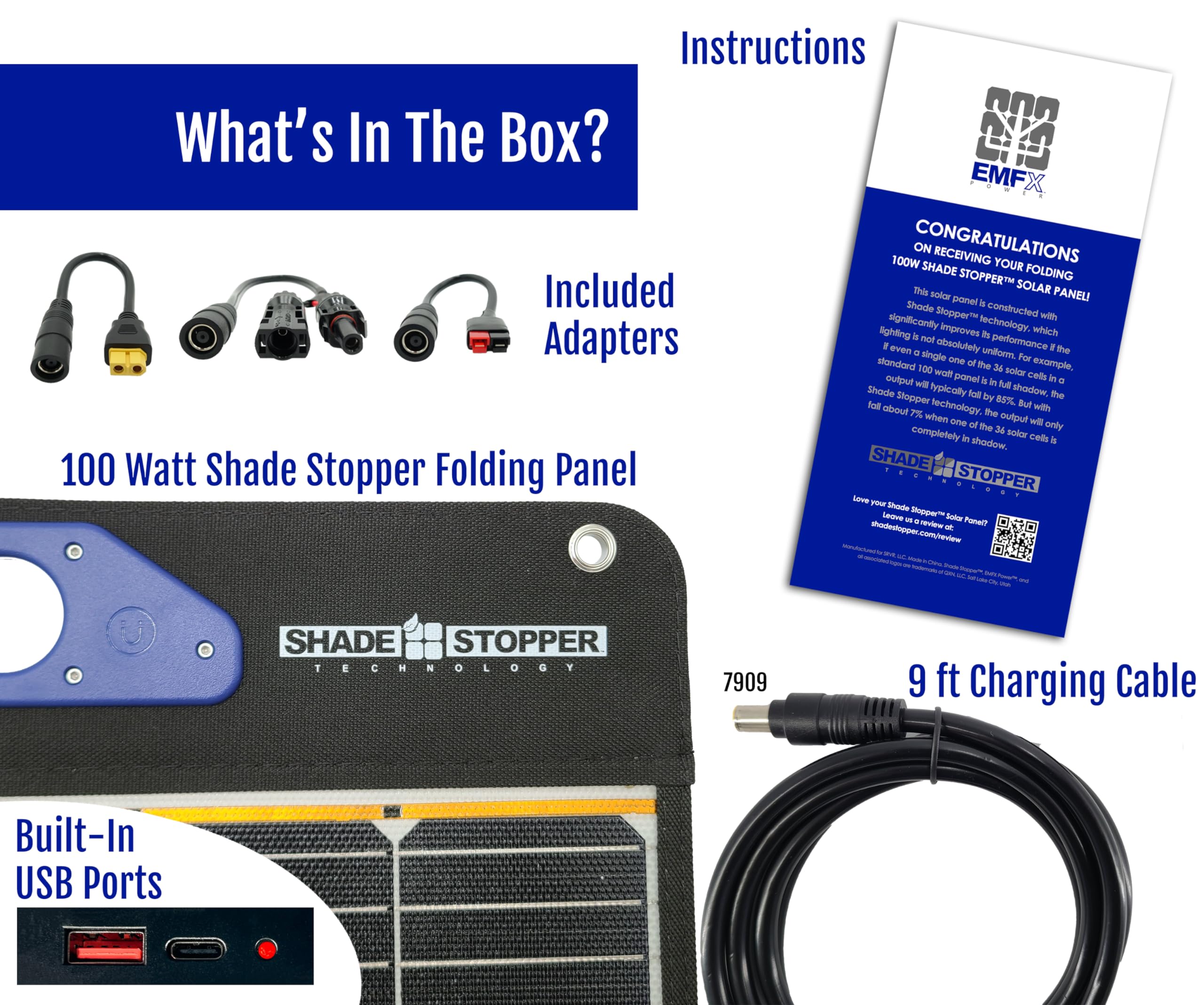
Credit: www.amazon.com

Credit: www.energysage.com
Frequently Asked Questions
How Effective Is Charging Solar Panels In Partial Shade?
Charging solar panels in partial shade reduces efficiency by 10-25%. Panels still generate power but at a lower rate. Using shade-tolerant panels or bypass diodes helps maintain better performance under shade. Regular cleaning and panel positioning also improve charging effectiveness.
What Types Of Solar Panels Work Best In Shade?
Monocrystalline and thin-film solar panels perform better in shaded conditions. Thin-film panels are more shade-tolerant but less efficient overall. Bypass diode-equipped panels minimize power loss when partially shaded. Selecting panels designed for low-light conditions enhances energy capture in shade.
Can Solar Panel Angle Improve Partial Shade Charging?
Yes, adjusting the solar panel angle optimizes sunlight exposure. Proper tilt reduces shading impact and increases energy absorption. Panels angled toward the sun throughout the day capture more light, even in partial shade. Seasonal angle adjustments further improve charging efficiency.
How Do Bypass Diodes Help In Partial Shading?
Bypass diodes allow current to flow around shaded cells, minimizing power loss. They prevent entire panel output drops due to small shaded areas. This feature improves overall energy production in partially shaded conditions. Most modern panels include bypass diodes for shade resilience.
Conclusion
Charging solar panels in partial shade takes some care and planning. Keep panels clean and adjust their angle for more sun. Use a solar charge controller to protect your battery. Place panels where shade moves during the day. Small improvements can boost power even in less sun.
With patience, you can still get good energy from shaded panels. Solar power works best with smart choices and simple steps. Try these tips for better solar charging every day.