Your outdoor solar lights brighten up your garden or pathway, but are they shining as brightly as they could? Over time, dirt, dust, and debris can build up on the solar panels, blocking sunlight and reducing their efficiency.
If you want your lights to stay bright and last longer, knowing how to clean your solar panels properly is key. Keep reading, and you’ll discover simple, effective steps to restore your solar panels to peak performance—no special tools or skills needed.
Let’s make sure your outdoor lights keep glowing night after night!
Why Clean Solar Panels Matter
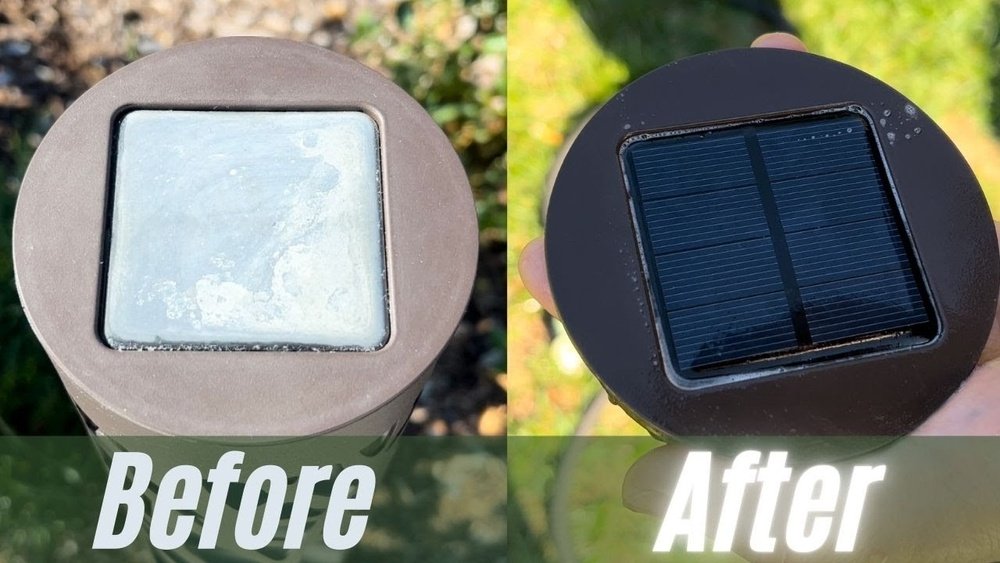
Keeping solar panels on outdoor lights clean is very important. Dirt and grime block sunlight. This lowers the power the panel can make. Clean panels mean better light and longer battery life. Simple cleaning helps your solar lights work well every night.
Impact Of Dirt On Efficiency
Dirt on solar panels stops sunlight from reaching the cells. Less sunlight means less energy produced. Even a thin layer of dust can cut efficiency by 20%. Over time, this loss adds up. Dirty panels need more cleaning and may fail sooner.
Common Contaminants On Panels
Outdoor solar panels face many types of dirt. Dust from the wind settles on the surface. Bird droppings cover panels and block light. Leaves and pollen also gather on the glass. Rain can leave water spots and mineral deposits. Knowing these helps clean panels better and keep them bright.
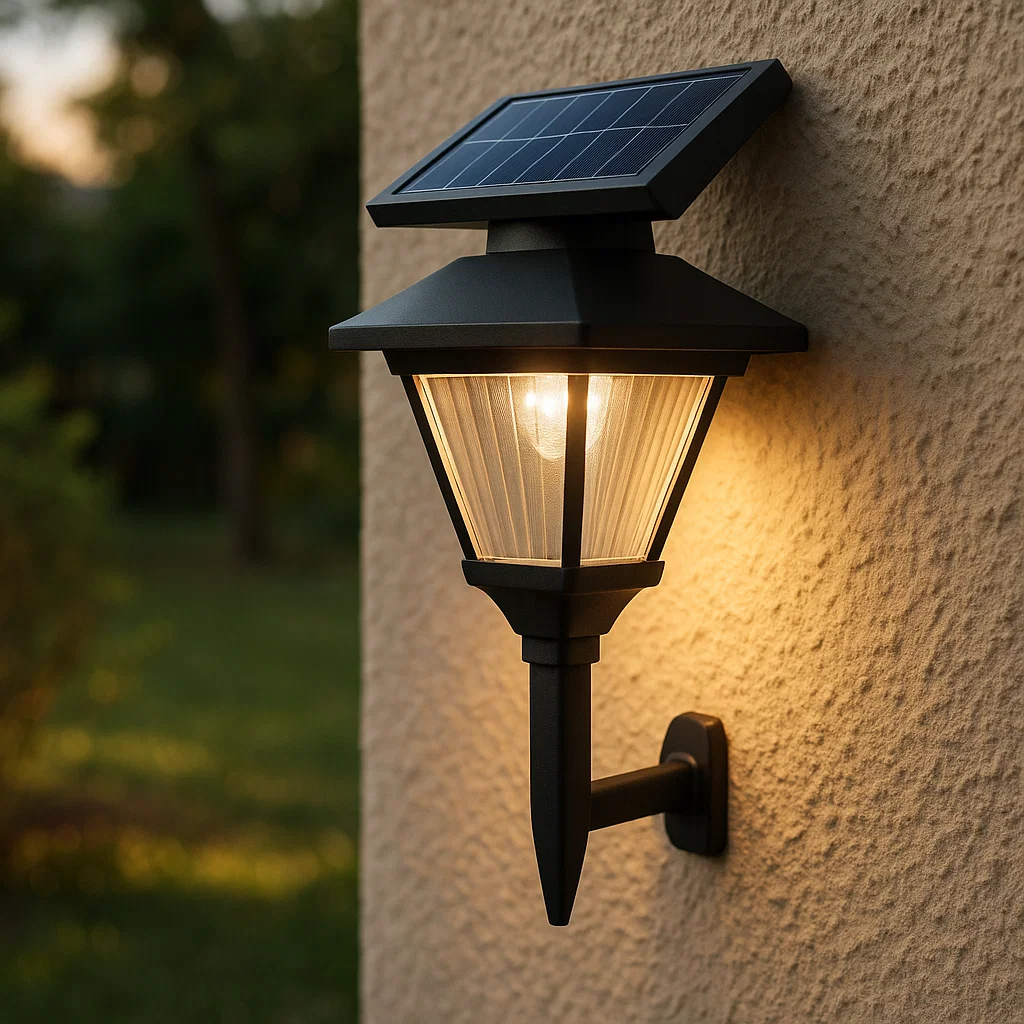
Credit: www.aosom.com
Best Time To Clean Panels
Cleaning solar panels on outdoor lights keeps them working well. The best time to clean panels affects how much sunlight they absorb. Dirt and dust block sunlight and reduce power. Choosing the right moment helps avoid damage and improves cleaning results.
Ideal Weather Conditions
Pick a dry day with no rain or strong wind. Wet panels can get streaky or dirty again fast. Early morning or late afternoon is best. The sun is not too hot then. Hot panels can crack or break when cleaned.
Frequency Of Cleaning
Clean panels every three to six months. Dust, pollen, and bird droppings build up over time. Check more often in dusty or rainy areas. Regular cleaning keeps panels clear and efficient.
Essential Cleaning Tools
Cleaning solar panels on outdoor lights keeps them working well. Dirt and dust block sunlight and lower energy. Using the right tools makes cleaning safe and easy. Avoid scratching or damaging the panel surface. Choose gentle and effective items for the task.
Soft Cloths And Brushes
Use soft cloths to wipe the solar panels. Microfiber cloths work best as they do not scratch. Avoid rough fabrics or paper towels. Soft brushes help remove stubborn dirt. A small paintbrush or a soft-bristle brush works well. Brush gently to protect the solar cells.
Safe Cleaning Solutions
Use water or mild soap to clean panels. Avoid harsh chemicals like bleach or ammonia. These can damage the panel surface. Mix a small amount of gentle soap in water. Dip the cloth or brush in the solution. Rinse with clean water afterward to remove soap.

Credit: www.youtube.com
Step-by-step Cleaning Process
Cleaning solar panels on outdoor lights keeps them working well. Dirt and dust block sunlight. This lowers the energy the panel can collect. Follow these simple steps to clean your solar panel safely and effectively.
Preparing The Panel
Turn off the outdoor light before cleaning. This stops any electrical issues. Check the panel for loose wires or damage. Remove large debris by hand or with a soft brush. Find a quiet, shaded place to work. This protects the panel from heat and sun glare.
Gentle Cleaning Techniques
Use a soft cloth or sponge for cleaning. Avoid rough materials that can scratch the surface. Mix water with a small amount of mild soap. Dip the cloth in the soapy water and wipe the panel gently. Do not spray water directly on the panel. Rinse the cloth often to remove dirt.
Drying And Inspection
Use a dry, soft cloth to wipe the panel. Let the panel air dry if possible. Check the panel for any missed spots or stains. Look for cracks or other damage. Fix small problems early to avoid bigger repairs later.
Safety Tips For Outdoor Cleaning
Cleaning solar panels on outdoor lights requires careful attention to safety. These panels involve electrical parts and often sit high above the ground. Taking the right safety steps protects you from accidents and damage.
Follow simple, clear rules. Stay alert and work slowly. Proper care keeps your cleaning task safe and easy.
Handling Electrical Components
Turn off the power before cleaning any solar panel. Wet surfaces and electricity do not mix. Use a dry cloth or a soft brush to remove dirt.
Avoid using water directly on electrical parts. Check for loose wires or damage before starting. Do not touch wires or connections with wet hands.
Ladder And Height Precautions
Choose a sturdy ladder that reaches the panel safely. Place it on flat, stable ground. Never lean too far to one side while on the ladder.
Ask someone to hold the ladder for extra support. Wear shoes with good grip. Move slowly and keep both hands free when climbing.
Maintaining Solar Panel Performance
Maintaining the performance of solar panels on outdoor lights is key to keeping them efficient. Dirt, dust, and debris can reduce the amount of sunlight the panels absorb. This lowers their power output and shortens the light’s working time. Simple care steps help keep panels clean and working well. Regular attention protects your investment and ensures long-lasting light.
Regular Checks And Maintenance
Check solar panels once a week or after bad weather. Look for dust, leaves, bird droppings, or spider webs on the surface. Use a soft cloth or sponge with water to clean the panels gently. Avoid harsh chemicals or abrasive materials that may scratch the surface. Dry the panels with a clean cloth to avoid water spots. Regular cleaning improves sunlight absorption and power generation.
Protecting Panels From Damage
Keep the panels safe from physical damage. Avoid hitting them with garden tools or strong objects. Trim nearby tree branches that may fall or shade the panels. Position the lights in places with minimal risk of impact. Protecting panels prevents cracks and breaks that reduce energy efficiency. Proper care extends the life of your solar outdoor lights.
Troubleshooting Common Issues
Troubleshooting common issues with solar panels on outdoor lights helps keep them working well. Problems can reduce the light output or damage the panel. Knowing the signs makes cleaning and fixing easier. Regular checks help spot issues early and extend the life of your solar lights.
Reduced Light Absorption
Dirt, dust, and debris block sunlight from reaching the solar panel. This lowers the panel’s ability to absorb light and charge the battery fully. Check for bird droppings, leaves, or mud on the surface. Clean the panel gently with a soft cloth and water. Avoid harsh chemicals that might harm the panel.
Cloudy or shaded areas also reduce light absorption. Make sure the panel faces the sun directly. Trim nearby plants or branches that cause shadows. Poor angle or placement leads to weak light output from the outdoor light.
Panel Damage Signs
Look for cracks, scratches, or discoloration on the solar panel. These signs often mean physical damage. Cracks let moisture inside, which can cause electrical problems. Scratches reduce the panel’s ability to absorb sunlight. Discoloration may show heat damage or aging.
Damaged panels need repair or replacement. Do not use sharp tools to clean the panel. Use a soft brush or cloth to avoid worsening the damage. Regular inspections help catch damage early, saving costs and maintaining good light quality.

Credit: sherriesestates.com
Frequently Asked Questions
How Often Should I Clean Solar Panels On Outdoor Lights?
Clean your solar panels every 4 to 6 weeks to maintain efficiency. Frequent cleaning prevents dirt buildup, which can reduce energy absorption. Adjust frequency based on local weather and dust levels for optimal performance.
What Materials Are Safe To Clean Solar Panels?
Use a soft cloth or sponge with mild soap and water. Avoid abrasive materials or harsh chemicals that can scratch or damage the panel surface. Gentle cleaning ensures longevity and preserves panel efficiency.
Can I Clean Solar Panels During The Day?
It is best to clean panels early morning or late evening. Cleaning in direct sunlight can cause water spots or rapid drying. Cooler temperatures prevent thermal shock and potential damage to the panels.
Why Is Cleaning Solar Panels Important For Outdoor Lights?
Dirt and debris reduce sunlight absorption, lowering power output. Clean panels increase energy efficiency, ensuring your outdoor lights work longer. Regular maintenance extends the lifespan and improves overall performance.
Conclusion
Keeping solar panels clean helps outdoor lights work well and last longer. Dirt and dust block sunlight and reduce power. Regular cleaning is simple and quick. Use soft cloths and mild soap to avoid damage. Avoid harsh chemicals or rough scrubbing.
Check panels often, especially after storms or dry spells. Clean panels mean brighter light and better energy savings. Small efforts bring big benefits. Take care of your solar lights to enjoy their full potential.