Have you ever wondered if your solar charger will work when placed behind a glass window? If you rely on solar power for your devices, this question could save you time and frustration.
Imagine setting up your charger indoors by the window, expecting it to soak up the sun’s energy — but what if it doesn’t work as well as you think? Understanding how glass affects solar charging can help you get the most out of your device and keep your gadgets powered up.
Keep reading to discover the truth about solar chargers and glass windows, so you can make smarter choices for your energy needs.

Credit: arka360.com
How Solar Chargers Work
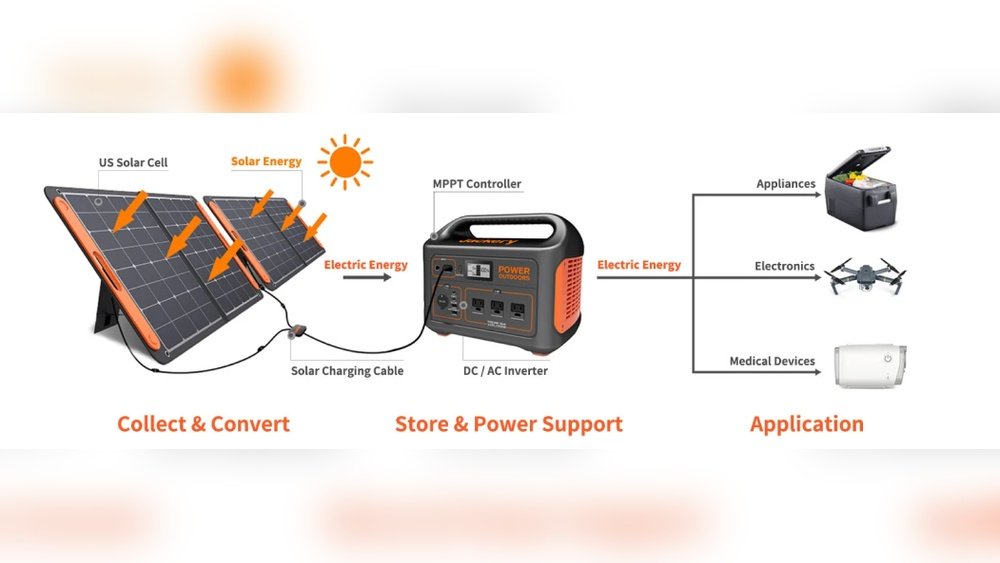
Solar chargers turn sunlight into power for your devices. They use special panels that catch sunlight and change it into electricity. Understanding how these chargers work helps know their limits and benefits.
Basics Of Solar Panels
Solar panels have many small parts called solar cells. These cells are made from materials like silicon. When sunlight hits these cells, it starts a process that creates electric current. The panels gather this energy and send it to your device or battery.
Light And Energy Conversion
Light is a form of energy. Solar cells absorb sunlight and change its energy into electricity. Only light that reaches the panel works well. Glass windows can block some sunlight, so less energy reaches the panel. That means solar chargers work best outside, with direct sunlight.
Impact Of Glass On Solar Charging
Solar chargers rely on sunlight to generate power. Glass between the solar panel and sunlight affects how well the charger works. Understanding this impact helps set the right expectations for solar charging through windows.
Glass can block or reduce sunlight. This changes the amount of energy the solar panel can collect. The type of glass and its properties play a big role in this process.
Types Of Glass And Light Transmission
Different glass types let through different amounts of light. Clear glass usually allows most sunlight to pass. Tinted or coated glass blocks more light. This reduces the energy reaching the solar charger.
Tempered glass is common in windows but may reflect some sunlight. Double-pane glass has two layers, which lowers light transmission further. Some glass types also block ultraviolet light, which solar panels use for power.
Effect On Solar Panel Efficiency
Less light means lower efficiency. Solar panels behind glass produce less power than those in direct sunlight. Even a small reduction in light can cause a big drop in charging speed.
Solar chargers behind thick or treated glass can lose up to 50% efficiency. This makes charging slower or less reliable. For best results, solar chargers need direct exposure to sunlight.
Real-world Performance Behind Glass
Solar chargers rely on sunlight to generate power. Glass windows block some sunlight, affecting how well these chargers work indoors. Understanding how solar chargers perform behind glass helps set the right expectations.
Sunlight changes after passing through glass. This change impacts the charging speed and efficiency. Real-world use shows a clear difference between charging inside versus outside.
Indoor Vs Outdoor Charging
Outdoor solar charging gets direct sunlight. This direct light provides full energy to the solar panels. Indoors, sunlight passes through glass, losing some strength. This weaker light reduces the charger’s power output.
Most windows filter ultraviolet (UV) rays. Solar panels need UV light to create electricity. Without enough UV rays, the charger works slower or may stop charging altogether.
Indoor light can be dim or shadowed. Even bright rooms rarely match outdoor sunlight intensity. This difference causes indoor charging to be less effective and slower.
Factors Affecting Charging Speed
Glass type affects sunlight transmission. Some glass blocks more light than others. Tinted or coated windows reduce sunlight even more.
Window cleanliness matters too. Dirt or smudges block light from reaching the solar panel. Clean glass improves indoor charging performance.
Solar panel quality also impacts results. High-quality panels handle low light better. Cheap panels may struggle with filtered sunlight.
Angle of the sunlight matters. Direct sunlight on the panel gives the best charging speed. Light hitting at an angle loses energy.
Testing Solar Chargers Through Windows
Testing solar chargers through windows helps understand how glass affects their performance. Solar panels need sunlight to work well. Glass can block some sunlight. This test shows how much power a solar charger can gather indoors through a window.
Common Experiment Setups
People use different methods to test solar chargers through windows. Usually, they place the solar charger outside and inside near a window. They measure the power output in both places. Sometimes, they try different angles of sunlight. Some tests use clear glass, others use tinted or coated glass. The goal is to compare how much sunlight passes through each type of glass.
Results From Various Glass Types
Clear glass allows most sunlight to pass but reduces some energy. Tinted glass blocks more sunlight, lowering power output significantly. Coated glass can reduce UV rays but also cuts down solar power. Double-pane windows with special coatings reduce sunlight even more. Overall, solar chargers work less efficiently through glass. The type of glass greatly affects how much energy the charger gets.
Tips To Optimize Solar Charging Indoors
Solar chargers can work indoors, but sunlight through glass is weaker. This reduces the charging speed and efficiency. You can improve indoor solar charging with some simple steps. These tips help you get the most power from your solar charger inside your home or office.
Small changes in placement and window choice make a big difference. Follow these tips to boost your solar charging indoors effectively.
Choosing The Right Window
Select a window that gets direct sunlight for most of the day. South-facing windows usually get the strongest light. Avoid windows with thick or tinted glass, as they block more sunlight. Clear glass lets more rays pass through to your solar panel. Keep the glass clean from dust and dirt to allow maximum light. Curtains and blinds should be open fully during charging.
Positioning And Angle Matters
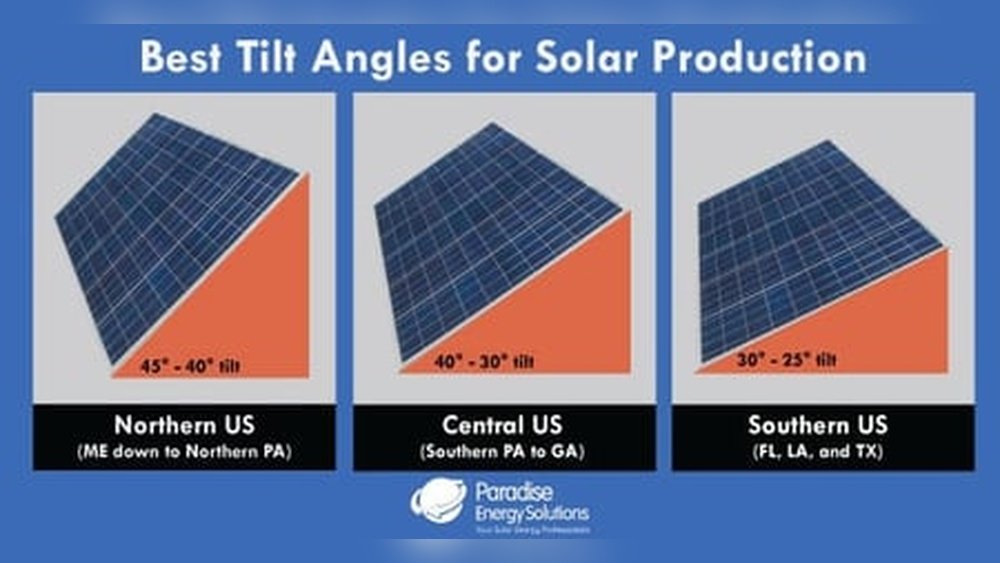
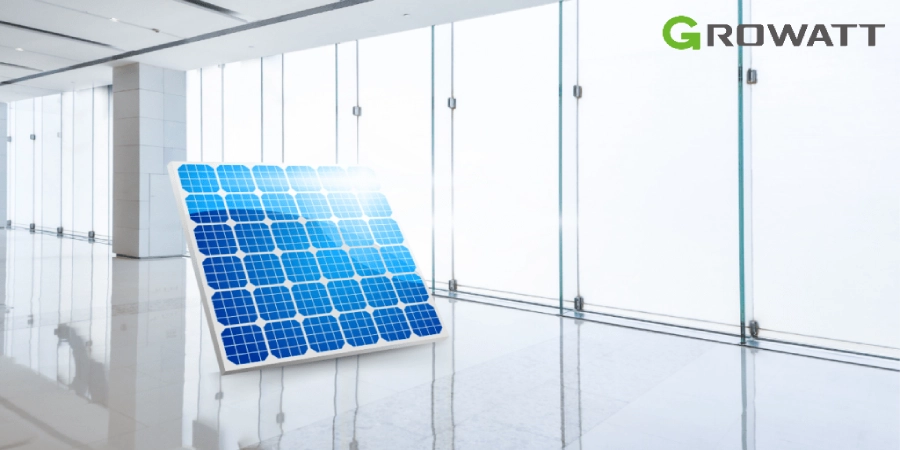
Place the solar charger as close to the window as possible. The closer, the better the light exposure. Tilt the solar panel to face the sun’s angle through the glass. Adjust the angle throughout the day to catch more sunlight. Avoid shadows from furniture or plants on the panel. A well-positioned solar charger captures more energy indoors.
Credit: igrowattinverter.com
Alternatives To Window Charging
Charging solar devices through a glass window often reduces energy intake. Glass blocks some sunlight, lowering charger efficiency. Finding alternatives helps maximize solar power use. These methods work better in indoor or low-light settings. Try these options to boost your solar charging experience.
Portable Solar Panels
Portable solar panels offer flexibility for charging. They can be placed outside in direct sunlight. This placement gathers more solar energy than behind glass. Lightweight and foldable models make outdoor use easy. Perfect for travel, camping, or outdoor work. Connect your devices directly to these panels for faster charging.
Using Reflectors And Light Amplifiers
Reflectors help redirect sunlight onto solar panels. Simple mirrors or shiny surfaces increase light exposure. Position reflectors to bounce sunlight through windows. Light amplifiers use lenses to focus sunlight on small panels. These tools boost energy without moving the charger outside. Use them to improve solar power capture indoors.

Credit: gosun.co
Frequently Asked Questions
Does A Solar Charger Work Through Glass Windows?
Solar chargers work less effectively through glass windows. Glass blocks some sunlight wavelengths, reducing solar panel efficiency. Direct sunlight exposure is best for optimal charging speed and power output.
Can Glass Reduce Solar Charger Efficiency?
Yes, glass reduces solar charger efficiency. It filters out ultraviolet and infrared light needed for maximum energy conversion. This results in slower charging and less power generation.
Why Is Direct Sunlight Better For Solar Chargers?
Direct sunlight contains the full spectrum of light needed for panels to generate maximum power. Indirect light through glass or shade limits energy absorption, reducing charging speed and effectiveness.
Are All Glass Types The Same For Solar Charging?
No, different glass types affect solar charging differently. Some glass blocks more UV rays, while others let more light through. Clear, untreated glass allows more sunlight than tinted or coated glass.
Conclusion
Solar chargers lose power when placed behind glass windows. Glass blocks some sunlight, reducing energy intake. Direct sunlight is best for charging efficiency. Placing chargers outside ensures faster, stronger charging. For daily use, keep chargers in open sunlight. Understanding this helps you get the most from solar devices.
Simple steps can improve your charging experience. Try to avoid barriers like glass for better results. Solar energy works well but needs clear access to light.