Are you planning to power your home or off-grid system with solar energy? One of the most important steps is sizing your battery bank correctly.
If your battery bank is too small, you risk running out of power when you need it most. Too big, and you end up spending more money than necessary. But how do you find the perfect balance? You’ll discover simple, clear steps to size your battery bank so it fits your energy needs perfectly.
Keep reading to unlock the secrets that will save you money and keep your solar system running smoothly.
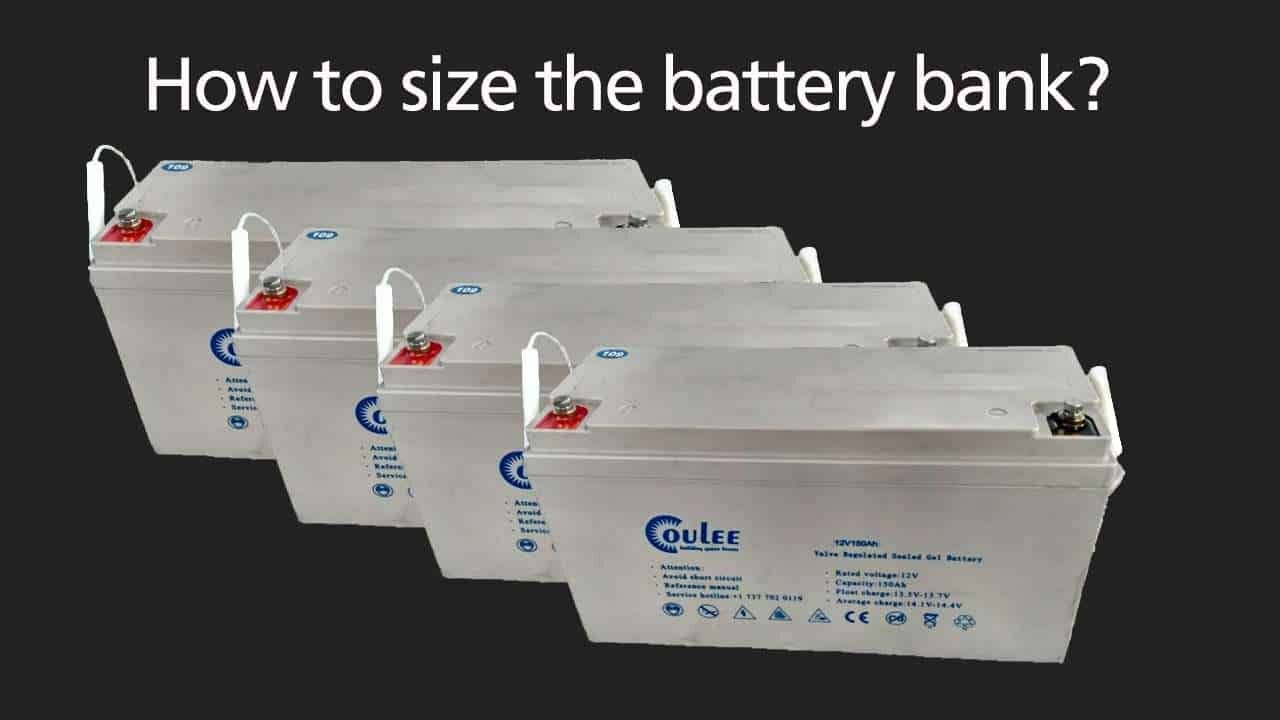
Credit: couleenergy.com
Calculating Energy Needs
Calculating energy needs is a key step in sizing a battery bank for your solar system. Knowing your energy demand helps you choose the right battery size. It ensures your system stores enough power for daily use and cloudy days. This section breaks down how to calculate your energy needs accurately.
Estimating Daily Consumption
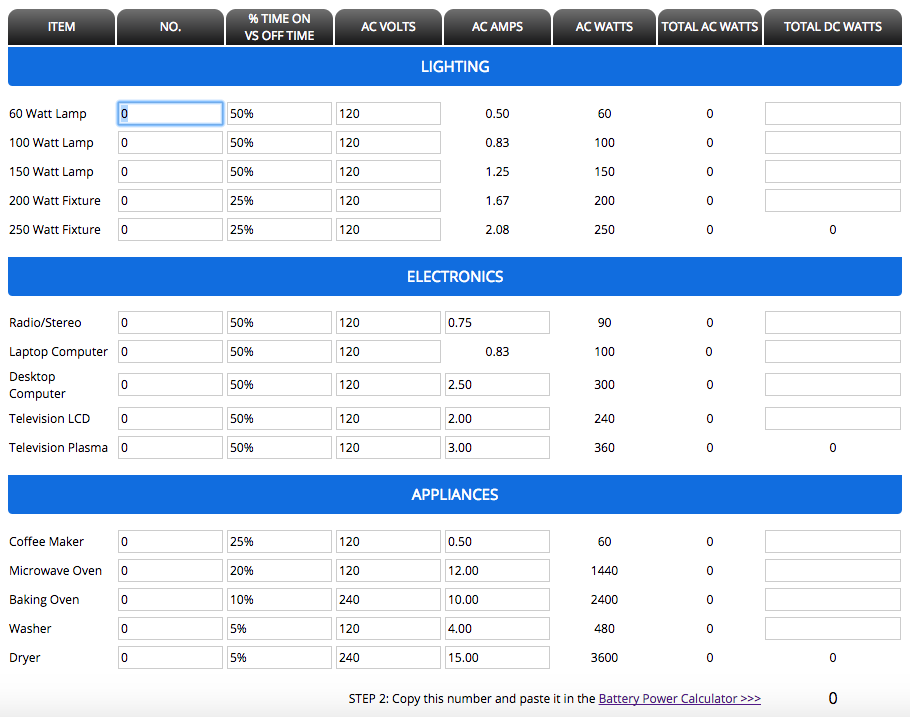
Start by listing all appliances you want to power. Note their wattage and how long you use them each day. Multiply wattage by hours to get watt-hours per appliance. Add all watt-hours to find your total daily energy use. This number shows how much energy your battery bank must supply daily.
Accounting For System Losses
Solar systems lose some energy during conversion and storage. Batteries and inverters have efficiency limits. Common losses range from 10% to 30%. Multiply your daily consumption by 1.2 or 1.3 to cover these losses. This adjustment ensures the battery bank meets your real energy needs.
Choosing Battery Type
Choosing the right battery type is crucial for your solar system. It affects how long your system runs and how much it costs. Different batteries have unique strengths and weaknesses. Picking the best one depends on your needs and budget. Learn about common battery types below.
Lead-acid Batteries
Lead-acid batteries are the oldest and most common type. They are affordable and easy to find. These batteries work well for small to medium solar systems. They need regular maintenance to keep them healthy. Their lifespan is shorter compared to other types. They also weigh more and take longer to charge.
Lithium-ion Batteries
Lithium-ion batteries are newer and more advanced. They last longer and charge faster than lead-acid batteries. These batteries are lighter and need less maintenance. They cost more upfront but save money over time. They are ideal for larger solar systems and frequent use.
Other Battery Options
Other types include nickel-cadmium and saltwater batteries. They are less common and may cost more. Each type has specific uses and benefits. Research carefully before choosing these options. The right battery improves your solar system’s efficiency and lifespan.
Determining Battery Capacity
Determining the right battery capacity is key for a reliable solar system. It ensures your system stores enough power for daily use. Calculating capacity helps avoid power shortages and saves money. Understanding how to measure battery capacity makes your solar setup efficient and long-lasting.
Ampere-hours Vs Watt-hours
Ampere-hours (Ah) show how much charge a battery holds. Watt-hours (Wh) show the total energy stored. To find watt-hours, multiply ampere-hours by battery voltage. Watt-hours give a clearer picture of usable energy. This helps compare batteries with different voltages.
Depth Of Discharge Impact
Depth of discharge (DoD) means how much battery power you use. Using too much power shortens battery life. Most batteries last longer if you use only 50% to 80% of their capacity. Plan your battery size to allow safe DoD limits. This keeps your system reliable and durable.
Battery Voltage Considerations
Battery voltage affects total system design. Common voltages are 12V, 24V, and 48V. Higher voltage systems run more efficiently with less power loss. Match battery voltage with your solar inverter and appliances. Choose voltage based on your energy needs and system size.
Factors Affecting Battery Bank Size
Choosing the right size for a battery bank is key to a reliable solar system. Several factors influence the size needed. Understanding these helps avoid under or over-sizing. This saves money and improves system performance.
Autonomy Days
Autonomy days mean how many days the battery can power your home alone. More autonomy days need a bigger battery bank. It helps in cloudy or rainy days when solar panels produce less power. Decide how many days without sun you want to cover.
Temperature Effects
Battery capacity changes with temperature. Cold weather lowers battery performance and capacity. Hot weather can reduce battery life and cause damage. Consider the climate where the system is installed. Choose batteries that work well in those temperatures.
Charge And Discharge Rates
The speed of charging and discharging affects battery size. Fast discharge needs a larger battery bank for safety. High charge rates can heat batteries and reduce life. Match battery size with how much power you use and how fast you use it.
Configuring Battery Bank
Configuring a battery bank is a key step in building a solar power system. It defines how your batteries work together to store energy. The right setup ensures your system runs efficiently and lasts longer. Understanding different connection types helps you choose the best option for your needs.
Series Connections
Connecting batteries in series increases the voltage of the bank. Link the positive terminal of one battery to the negative terminal of the next. This adds up each battery’s voltage while keeping the same amp-hour capacity. Series connections suit systems needing higher voltage output.
Parallel Connections
Parallel connections keep the voltage the same but increase the capacity. Connect all positive terminals together and all negative terminals together. This adds the amp-hours of each battery, giving longer run time. Parallel setups work well when you need more energy storage at a fixed voltage.
Series-parallel Combinations
This method combines series and parallel wiring to increase both voltage and capacity. First, connect batteries in series to reach the desired voltage. Then, connect those series groups in parallel to boost capacity. Series-parallel setups offer flexibility for larger solar systems with higher power needs.
Credit: www.solarpowerworldonline.com
Safety And Maintenance Tips
Safety and maintenance are key for a healthy battery bank in a solar system. Proper care helps the battery last longer and work better. It also keeps the whole system safe from hazards.
Simple steps can prevent damage and reduce risks. Follow these tips to keep your battery bank in good shape.
Proper Ventilation
Batteries release gases that can be harmful and flammable. Good airflow stops gas buildup and lowers fire risk. Place batteries in a space with fresh air. Avoid tight or sealed rooms. Use fans or vents if needed. This keeps the area safe and batteries cool.
Regular Inspection
Check batteries often for cracks, leaks, or corrosion. Look at terminals and cables for loose or damaged parts. Clean corrosion with a mix of baking soda and water. Use gloves and eye protection. Test battery voltage to find weak cells early. Quick fixes prevent bigger problems later.
Battery Management Systems
A battery management system (BMS) protects batteries from overcharge and deep discharge. It balances cell voltage and temperature. This stops damage and extends battery life. Use a BMS that fits your battery type. It adds safety and keeps your system stable.
Cost And Warranty Considerations
Cost and warranty are key points when sizing a battery bank for a solar system. These factors affect the total investment and the long-term value. Choosing the right battery means balancing price, lifespan, and protection. Understanding these details helps avoid surprises and saves money over time.
Evaluating Price Vs Lifespan
Batteries with a low price may not last long. They might need frequent replacement, increasing costs. Higher-priced batteries often have longer lifespans and better performance. Think about how many years you want the battery to work. Calculate the cost per year by dividing the price by lifespan. This method shows the real value of each option. Cheaper upfront costs may lead to higher spending later. Choose batteries that fit your budget and last long enough for your needs.
Warranty Terms To Check
Warranty protects your investment against defects and failures. Look for the length of coverage and what it includes. Some warranties cover full replacement, while others only partial. Check if warranty covers capacity loss or only physical damage. Read the fine print about conditions and maintenance needed. A good warranty often signals a manufacturer’s confidence in their product. It can save money if problems arise during use. Always compare warranty terms before finalizing your battery choice.

Credit: www.youtube.com
Frequently Asked Questions
How Do I Calculate Battery Bank Size For Solar?
To calculate battery bank size, multiply daily energy use by desired backup days. Then divide by battery voltage and depth of discharge. This ensures your battery bank meets your solar system’s energy storage needs effectively.
What Factors Affect Solar Battery Bank Sizing?
Key factors include daily energy consumption, backup duration, battery voltage, and depth of discharge. Environmental conditions and future energy needs also influence the size. Considering these helps optimize battery performance and lifespan.
Why Is Depth Of Discharge Important In Sizing?
Depth of discharge (DoD) limits how much battery capacity can be used safely. A lower DoD extends battery life but requires a larger bank. Correct DoD balance ensures efficient and durable solar battery storage.
How Many Days Of Backup Should I Plan?
Typically, 2 to 3 days of backup is recommended for most solar systems. This accounts for cloudy days and power outages. Adjust backup days based on your energy needs and local weather patterns.
Conclusion
Sizing a battery bank for your solar system ensures reliable power storage. Calculate your energy needs carefully. Match battery capacity with daily usage and backup time. Choose batteries that fit your budget and space. Regular checks keep the system working well.
A well-sized battery bank saves money and energy. Take time to plan for long-term use. This helps your solar system run smoothly every day.